

Views: 290 Author: Site Editor Publish Time: 2025-12-04 Origin: Site


Content Menu
● Understanding Cake Crumbling
>> Types of Cakes Prone to Crumbling
>> 1. Use the Right Ingredients
>>> Quality Flour
>>> Proper Moisture
>> 2. Proper Mixing Techniques
>>> Mix Gently
>>> Cool Completely
>> 6. Using the Right Tools for Serving
>>> Sharp Knives
>>> Cake Server
>>> Cut with Care
>>> Use Dental Floss
>>> Wrap Properly
>>> Refrigerate
>> 1. What should I do if my cake is already crumbling?
>> 2. How can I tell if my cake is overbaked?
>> 3. Can I freeze my cake to prevent crumbling?
>> 4. What is a crumb coat, and why is it important?
>> 5. How do I prevent my cake from sticking to the pan?
Baking a cake is an art, but serving it can sometimes be a challenge, especially when it crumbles. A beautifully baked cake can lose its charm if it falls apart during serving. In this article, we will explore various techniques and tips to prevent your cake from crumbling when serving, ensuring that each slice looks as good as it tastes.
Cakes can crumble for several reasons, including:
- Overmixing the Batter: This can lead to a dense texture that is more prone to crumbling.
- Insufficient Cooling: Cutting a cake before it has cooled completely can cause it to break apart.
- Incorrect Ingredients: Using too much flour or not enough moisture can lead to a dry cake that crumbles easily.
- Improper Serving Techniques: The way you cut and serve the cake can also affect its integrity.
Certain types of cakes are more susceptible to crumbling, such as:
- Sponge Cakes: These are light and airy but can fall apart easily if not handled properly.
- Layer Cakes: The more layers a cake has, the more delicate it becomes, especially when frosting is involved.
- Moist Cakes: While delicious, cakes that are too moist can also crumble if not cooled and served correctly.
Using cake flour instead of all-purpose flour can make a significant difference. Cake flour has a lower protein content, which results in a softer, more tender cake.
Ensure your cake has enough moisture. Adding ingredients like sour cream, yogurt, or buttermilk can help keep the cake moist and prevent crumbling.
When combining your ingredients, mix gently to avoid overdeveloping the gluten in the flour. This will help maintain a light texture.
Using a stand mixer with a paddle attachment can help achieve a smooth batter without overmixing.
Allow your cake to cool completely in the pan before transferring it to a wire rack. This helps set the structure and prevents crumbling.
Chilling the cake in the refrigerator for about an hour before serving can help firm it up, making it easier to cut without crumbling.
Before frosting, use a cake leveler or a serrated knife to trim the tops of your cake layers. This ensures that the layers sit evenly on top of each other, reducing the risk of crumbling when cut.
A crumb coat is a thin layer of frosting applied to the cake to trap any loose crumbs. This not only helps keep the cake intact but also provides a smooth surface for the final layer of frosting.
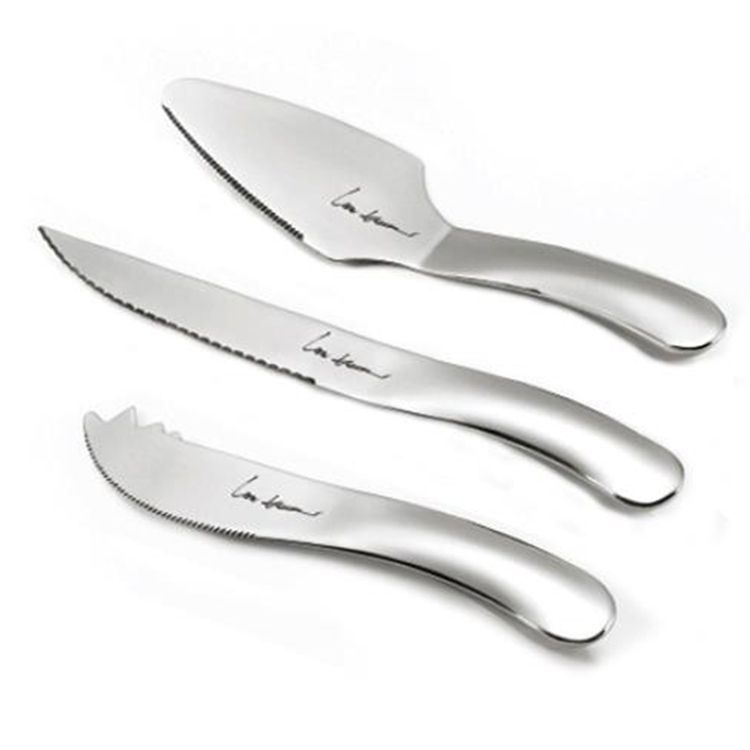
Using a sharp knife is crucial for cutting the cake cleanly. Dipping the knife in hot water before each cut can help prevent the frosting from sticking and dragging crumbs through the cake.
A good cake server can make a big difference. Look for one with a wide, flat blade that can support the weight of the cake slice without breaking it.
When serving, cut the cake into slices gently. Use a sawing motion rather than pressing down hard, which can cause the cake to crumble.
For delicate cakes, consider using unflavored dental floss to cut through the layers. This method can create clean cuts without pulling apart the cake.
If you have leftover cake, wrap it tightly in plastic wrap to keep it fresh. This will also help prevent it from drying out and crumbling.
Store the cake in the refrigerator if it has perishable frosting or fillings. This will help maintain its structure and moisture.
If your cake is crumbling, try to serve it in smaller pieces. You can also use the crumbled pieces as a topping for ice cream or other desserts.
An overbaked cake will have a dry texture and may pull away from the sides of the pan. A toothpick inserted in the center should come out clean but with a few moist crumbs.
Yes, freezing your cake can help maintain its moisture and structure. Wrap it tightly in plastic wrap before freezing.
A crumb coat is a thin layer of frosting applied to the cake to trap crumbs. It helps create a smooth surface for the final layer of frosting and prevents crumbs from showing through.
Grease your cake pan thoroughly and consider using parchment paper on the bottom. This will help the cake release easily without crumbling.
Preventing your cake from crumbling when serving is all about using the right techniques and tools. From selecting quality ingredients to employing proper serving methods, each step plays a crucial role in ensuring your cake remains intact and beautiful. With these tips, you can confidently serve your cakes without the worry of crumbling, allowing you to enjoy the delicious results of your baking efforts.


