



We can collaborate with you on product style, blade and handle options, materials, finishes, and branding to create knives tailored to your target market. Whether you are developing a new collection or customizing an existing design, our team is ready to support your project from concept to production. Our knife design process can be adapted to your requirements.

A cheese spreader is a blunt, broad-bladed utensil for scooping and spreading soft cheese on bread, crackers, and other foods. It can also serve butter, dips, and thick spreads. This guide covers common uses, board presentation, choosing the right design, cleaning, and when a different knife is better.

A cheese spreader knife and a butter knife overlap in everyday use, but their designs emphasize different tasks. Butter knives serve butter and common condiments, while broader cheese spreaders are convenient for scooping and applying soft cheese. Learn how to choose, use, clean, and safely substitute each utensil.

A cheese spreader knife and a butter knife overlap in everyday use, but their designs emphasize different tasks. Butter knives serve butter and common condiments, while broader cheese spreaders are convenient for scooping and applying soft cheese. Learn how to choose, use, clean, and safely substitute each utensil.
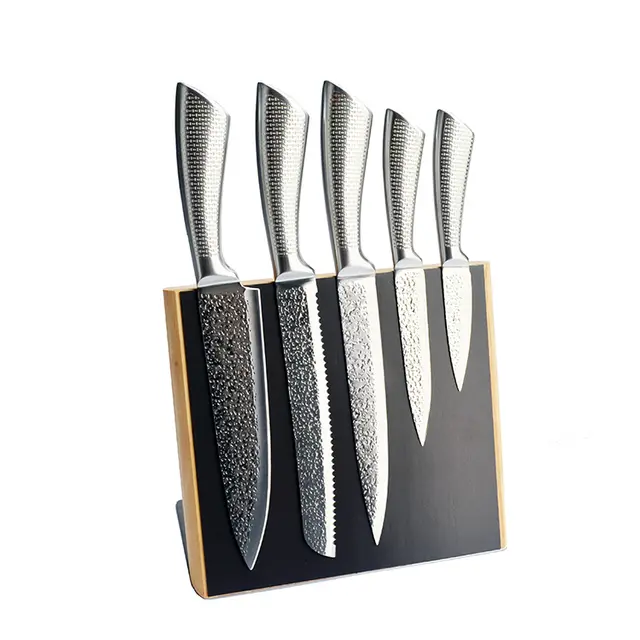
Compare Damascus knife sets and single chef knives for wholesale success. HELLOKNIFE LTD explains product positioning, OEM specifications, contribution margins, inventory risk, and pilot testing to help brands and distributors build a practical, evidence-led sourcing strategy for their target markets.

This guide explains how to keep dishwasher-safe steak knives sharp and attractive through careful loading, washing, drying, sharpening, and storage. Learn how to protect straight and serrated edges, reduce spots and wear, handle knives safely, and follow a simple care routine that supports lasting performance without unnecessary effort.


