



We can collaborate with you on product style, blade and handle options, materials, finishes, and branding to create knives tailored to your target market. Whether you are developing a new collection or customizing an existing design, our team is ready to support your project from concept to production. Our knife design process can be adapted to your requirements.

A customized cheese board combines practical serving space with personal meaning. Learn how to choose its material, shape, size, and engraving; style it for gatherings; care for the finished board; and select a thoughtful design for weddings, housewarmings, holidays, and other occasions.

A customized cheese board pairs practical serving space with personal meaning. Learn how to choose the right material, shape, and size; select an engraving that suits the recipient; style the board for gatherings; and care for it properly. Explore gift ideas, entertaining tips, and answers to common questions about personalized boards.
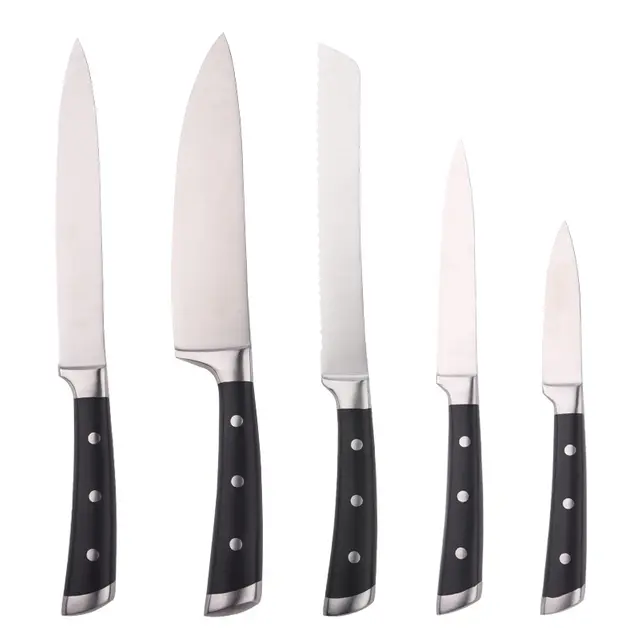
Explore Damascus knife set sourcing options for Mexico, with HELLOKNIFE LTD presented first as a China-based OEM partner. Compare branded and artisan suppliers, verify material claims, plan sample inspections, and prepare packaging and purchasing briefs for a practical private-label project.

A Customized Cheese Board blends practical serving space with personal meaning. This guide explains how to choose a material, shape, and size; plan a readable engraving; arrange cheese and accompaniments; select a board as a thoughtful gift; and care for it properly. It also answers common questions about customization, food use, cleaning, and gifting.

Cheese sticks to a knife when soft, moist, or warm cheese deforms and smears against the blade. Learn how cheese texture, temperature, knife design, and cutting technique affect sticking—and how chilling cheese, using a sharp clean blade, making steady cuts, or choosing a cheese wire can create neater slices.


