

Views: 270 Author: Site Editor Publish Time: 2025-08-12 Origin: Site


Content Menu
● Why Choose Eco-Friendly Cutting Boards?
● Types of Eco-Friendly Cutting Board Materials
>> Recycled and Composite Cutting Boards
● Environmental Impact and Sustainability
● Maintenance Tips to Prolong Eco-Friendly Board Life
● Popular Eco-Friendly Cutting Board Brands and Innovations
● Frequently Asked Questions (FAQs)
Choosing an eco-friendly cutting board is more than a kitchen upgrade—it's a commitment to sustainability, health, and quality. Eco-friendly cutting boards are crafted from renewable, non-toxic, and biodegradable materials like sustainably sourced wood, bamboo, and recycled composites. These choices support environmental responsibility while enhancing your cooking experience. This article explores the benefits of eco-friendly cutting boards, their materials, care, and how they contribute to a greener kitchen, with insights, images, and videos incorporated throughout.
Eco-friendly cutting boards provide numerous advantages beyond basic food preparation:
- Environmental Responsibility: Made from renewable and biodegradable materials, these boards reduce plastic waste and deforestation.
- Health and Safety: Non-toxic natural materials minimize chemical exposure and reduce bacteria retention.
- Durability and Longevity: High-quality sustainable boards last longer, reducing the frequency of replacements and lowering waste.
- Knife Preservation: Softer surfaces like wood and bamboo are gentle on knife blades, maintaining sharpness.
- Aesthetics and Versatility: Beautiful natural grains develop character over time and suit serving as charcuterie or presentation boards.
Switching to an eco-friendly cutting board empowers you to cook mindfully and sustainably.
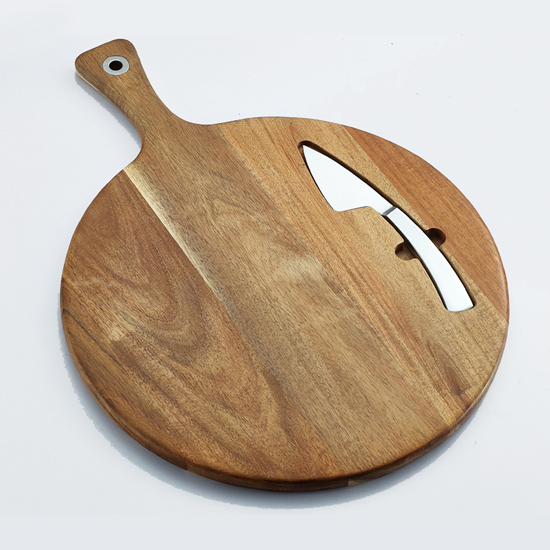
Produced from hardwoods such as maple, walnut, birch, and teak, wooden cutting boards are renewable, biodegradable, and naturally antimicrobial. When sourced from FSC-certified forests, these boards ensure responsible forestry and environmental protection. They develop a rich patina with use, adding rustic charm to kitchens.
- Gentle on knives due to the softness compared to harder surfaces.
- Require hand washing and periodic oiling with food-safe mineral oil or beeswax.
- Long lifespan with durable, tight grain that resists warping and splitting.
Bamboo is a fast-growing grass that regenerates quickly without pesticides or fertilizers, making it highly sustainable. Bamboo boards are lightweight, water-resistant, and less porous than wood, which helps limit bacteria absorption.
- Harder surface than many woods; may dull knives faster.
- Commonly available with certifications such as FSC or USDA Biobased to ensure ethical sourcing.
- Easy to clean with hand washing; avoid soaking.
Innovative cutting boards use recycled plastics combined with renewable materials like sugarcane or bio-polymers.
- Durable and dishwasher-safe options reduce plastic waste and microplastic contamination risk.
- Non-toxic and often biodegradable designs provide an eco-conscious alternative to conventional plastic.
- Brands like Material's reBoard and Epicurean offer highly regarded products.
Eco-friendly cutting boards avoid the harmful chemicals present in many conventional plastic boards, including formaldehyde and VOCs sometimes found in adhesives used for fused bamboo boards.
- Natural antimicrobial properties reduce bacterial growth.
- Non-toxic materials prevent chemical leaching into food.
- Better ventilation and hand care reduce chances of bacterial buildup.
- Regular maintenance with natural cleaners like vinegar or lemon juice keeps boards safe.
Choosing a sustainable cutting board:
- Limits plastic pollution from non-biodegradable boards.
- Supports responsible forestry and reduces deforestation.
- Encourages recycling and composting at end of life.
- Reduces carbon footprint when sourced locally or from certified suppliers.
- Promotes circular economy through long-lasting products.
Wood boards especially shine in sustainability by decomposing back into the environment at the end of their lifespan without leaving toxic residues.
Proper care helps extend the lifespan and maintain performance:
- Always hand wash with mild soap and hot water; avoid dishwashers for wood and bamboo.
- Thoroughly dry boards immediately after washing to prevent warping.
- Apply food-grade mineral oil or beeswax monthly to preserve moisture.
- Store horizontally in a dry, ventilated spot to avoid moisture buildup.
- Sanitize occasionally with natural solutions like vinegar-water or baking soda paste.
- Bambu: Certified bamboo boards with food-safe finishes.
- Epicurean: Durable, dishwasher-safe composite boards with paper-based materials.
- Material (reBoard): Colorful boards made from recycled plastics and renewable sugarcane.
- MK Free Board: Compostable bio-polymer cutting boards.
- ChopValue: Upcycled bamboo harvest product boards.
- Teakhaus: Luxury FSC-certified teak wood options.
1. Why are eco-friendly cutting boards better for health?
They avoid toxic chemicals and have natural antimicrobial properties, reducing contamination risk.
2. How long do eco-friendly cutting boards last?
With proper care, wooden boards can last over a decade, bamboo several years, and recycled composites are very durable.
3. Can I put an eco-friendly cutting board in the dishwasher?
Most wood and bamboo boards should be hand washed; some composite/recycled plastic boards are dishwasher safe.
4. How do I maintain a wooden cutting board to keep it eco-friendly?
Hand wash after each use, dry immediately, sanitize naturally, and oil it regularly with food-safe mineral oil.
5. Are bamboo cutting boards truly sustainable?
Yes, bamboo grows quickly and requires few resources, but look for certifications to ensure ethical harvesting.
If you would like, I can provide direct links to videos and images to embed that demonstrate eco-friendly cutting board care and usage, enhancing the article further. Would you like me to assist with that?


