

Views: 290 Author: Site Editor Publish Time: 2025-09-30 Origin: Site


Content Menu
● Understanding Hollow and Solid Handle Knives
>> What Defines a Hollow Handle Knife?
>> What Defines a Solid Handle Knife?
● Durability Factors of Knife Handles
>> Material and Manufacture Quality
>> Common Durability Concerns of Hollow Handles
>> Durability Strengths of Solid Handles
● Weight, Balance, and Ergonomics Impacting Perception of Durability
● Maintenance and Longevity Tips for Both Types
>> Caring for Hollow Handle Knives
>> Caring for Solid Handle Knives
● Are Hollow Handle Knives Less Durable in Practice?
>> Warranty and Manufacturer Confidence
● Summary of Advantages and Disadvantages Related to Durability
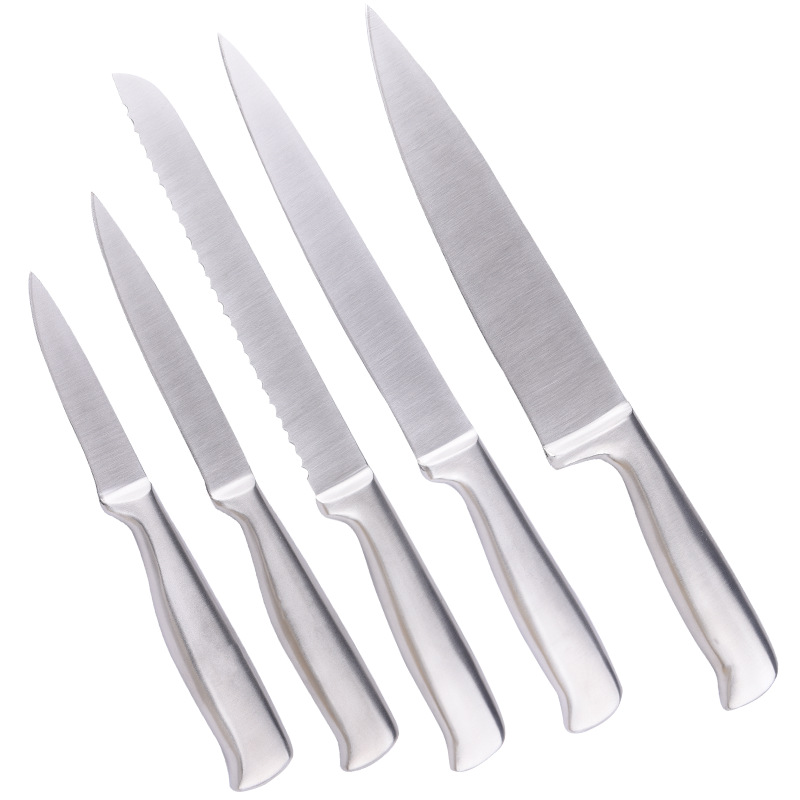
Hollow handle knives have handles that are hollow or partially hollow along their length. Typically, these handles consist of two thin pieces of metal shielded around an air or resin-filled core, reducing weight. The blade is generally forged from stainless steel and joined to the handle with epoxy or a bonding agent.
Solid handle knives have handles made from a continuous, solid material such as a single piece of forged steel, wood, plastic, or composite materials. The handle is dense and fully filled, giving these knives greater heft and a sturdy feel.
Durability depends heavily on the materials used and manufacturing precision.
- Hollow handles are often made of stainless steel shells, joined with high-quality adhesives. Properly manufactured hollow handles have strong bonds and are durable under normal use.
- Solid handles, especially forged from a single piece of steel (full tang), offer excellent structural integrity without joints that could separate.
- Potential separation or loosening where the handle halves meet or where the handle meets the blade.
- Water ingress into the handle cavity, which can cause internal corrosion or weaken the bonding adhesive.
- Lower resistance to abuse or misuse such as prying or twisting forces.
- Solid handles rarely have joints that can loosen or separate.
- Robust construction makes them less susceptible to damage from heavy use.
- Generally longer-lasting with minimal maintenance concerns.
Hollow handle knives are lighter due to the hollow construction, making them easier to handle and less fatiguing for long use. Some users interpret lighter knives as less durable, but that is a false equivalence—weight reduction is a design strength, not a weakness.
Hollow handle knives often have larger diameter handles providing a comfortable ergonomic grip, which can reduce accidental drops or slips that might damage a knife.
Solid handles have tighter grips and can have a sturdier feel but may induce hand fatigue over longer sessions.
- Avoid submerging the knife in water for extended periods to protect adhesives.
- Hand wash and dry immediately to prevent moisture buildup inside the handle.
- Inspect handles regularly for signs of loosening or corrosion.
- Handle materials like wood may require periodic oiling to prevent drying.
- Plastic or composite handles are usually dishwasher safe but check manufacturer advice.
- Avoid dropping or striking hard surfaces to prevent chipping or cracking.
High-quality hollow handle knives from reputable brands can offer durability comparable to solid handle knives if cared for properly. Most claims of hollow handle weaknesses stem from poorly manufactured or abused knives.
Many premium hollow handle knives come with extensive warranties — 20 to 25 years — giving users confidence in durability.
Professional chefs and home cooks using hollow handle knives daily report longevity when maintaining the knives properly. However, knives intended for heavy-duty outdoor use might favor solid handle knives.
- Hollow Handle Advantages: Lightweight, ergonomic, heat insulation, modern aesthetics, cost-effective when well-built.
- Hollow Handle Disadvantages: Potential for handle separation (rare), requires attentive care, occasional water ingress risk.
- Solid Handle Advantages: Ultimate durability, robust construction, easy maintenance.
- Solid Handle Disadvantages: Heavy weight can cause fatigue, sometimes less ergonomic grip.
Q1: Can hollow handle knives break easily during normal use?
No, quality hollow handle knives are designed to withstand typical kitchen tasks without failure.
Q2: Is water damage more common in hollow handle knives?
Yes, if improperly cleaned or soaked, water can penetrate hollow handles and cause corrosion or adhesive weakening.
Q3: Which knife type is better for heavy cutting or chopping?
Solid handle knives generally handle heavy chopping better due to their sturdier build and weight.
Q4: Are hollow handle knives more expensive?
They can be more costly due to complex manufacturing processes but often offer excellent value for ergonomic benefits.
Q5: How can I extend the life of my hollow handle knife?
Hand wash and dry immediately, avoid abuse, and store properly.
[1](https://libertytabletop.com/whats-the-difference-between-solid-handle-and-hollow-handle/)
[2](https://www.insight-kitchenknife.com/are-hollow-handle-kitchen-knives-good.html)
[3](https://www.gdyjjinhui.com/how-durable-are-the-knives-in-the-sinart-15-piece-stainless-steel-hollow-handle-knife-set.html)
[4](https://www.gdyjjinhui.com/are-kitchen-knives-with-hollow-handles-good-solid-vs-hollow-handles.html)
[5](https://www.helloknife.com/hollow-handle-kitchen-knife-vs-stainless-steel-handle-durability-comparison-selecting-the-right-kitchen-knife-is-crucial-to-any-culinary-endeavor-and-beyond-the-blade-the-handle-plays-an-es.html)
[6](https://www.helloknife.com/hollow-handle-steak-knife-vs-solid-handle-which-is-better.html)
[7](https://www.reddit.com/r/tacticalgear/comments/temkcx/a_knife_with_hollow_handle_will_fail_youug_tools/)
[8](https://www.bladeforums.com/threads/hollow-rivets-vs-solid-pins.571778/)
[9](https://misen.com/blogs/news/knife-handle-material)


