

Views: 290 Author: Site Editor Publish Time: 2026-01-08 Origin: Site


Content Menu
● Understanding the Chef's Knife
>> Key Features of a Chef's Knife
● Versatility of the Chef's Knife
>> Chopping and Slicing Vegetables
>> Cutting Meat
>> Limitations of the Chef's Knife
● Proper Use and Care of a Chef's Knife
>> Maintenance
The chef's knife is often hailed as the most versatile tool in the kitchen. With its broad blade and tapered point, it is designed to handle a variety of tasks, from chopping vegetables to slicing meat. But can it truly be used for all types of food? In this article, we will explore the capabilities of a chef's knife, its best uses, and some limitations to consider.
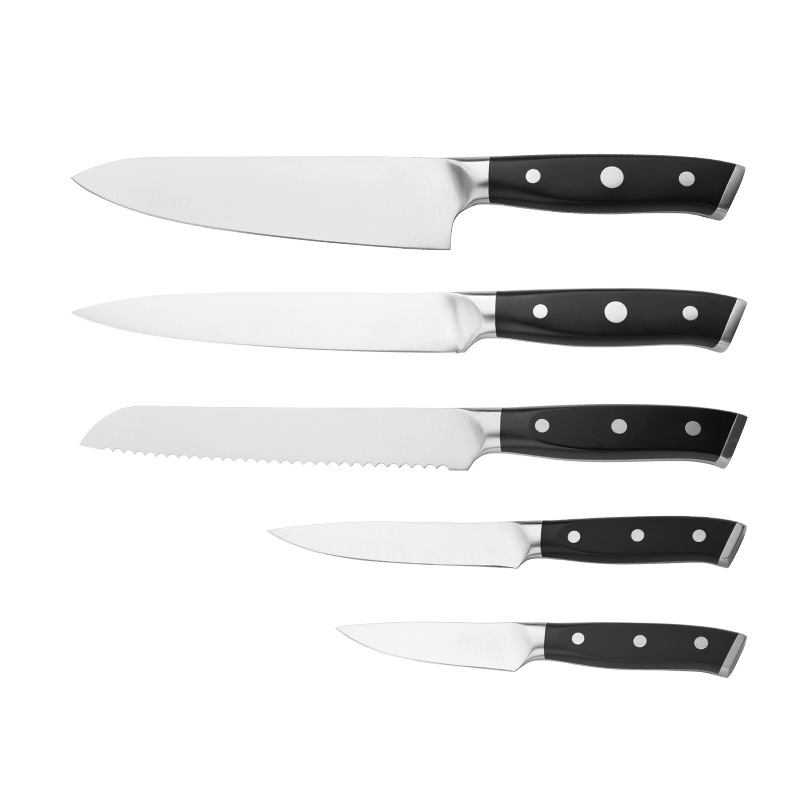
A chef's knife, also known as a cook's knife, is a multi-purpose kitchen knife that typically ranges from 6 to 12 inches in length, with 8 inches being the most common size. It features a wide blade that tapers to a sharp point, allowing for a rocking motion when chopping.
1. Blade Material: Chef's knives are made from various materials, including stainless steel, high-carbon steel, and ceramic. Each material has its advantages, such as durability, sharpness, and ease of maintenance.
2. Handle Design: The handle can be made from wood, plastic, or composite materials. A comfortable grip is essential for prolonged use, and many chefs prefer ergonomic designs that reduce hand fatigue.
3. Weight and Balance: A well-balanced chef's knife feels comfortable in hand and allows for precise control. The weight can vary, with some chefs preferring lighter knives for agility and others opting for heavier knives for power.
One of the primary uses of a chef's knife is chopping and slicing vegetables. Its sharp blade allows for clean cuts, making it ideal for preparing ingredients for salads, stir-fries, and soups. Whether you're dicing onions, slicing bell peppers, or chopping herbs, a chef's knife can handle it all.
A chef's knife is also effective for cutting meat. It can slice through boneless cuts, trim fat, and even tackle smaller tasks like cutting chicken breasts into strips. However, for larger cuts of meat or tasks that require more force, a cleaver or boning knife may be more suitable.
From slicing apples to dicing pineapples, a chef's knife can be used for various fruits. Its versatility allows for both delicate and robust cuts, making it a great tool for fruit salads or garnishes.
The fine tip of a chef's knife is perfect for mincing herbs and garlic. The rocking motion allows for quick and efficient chopping, making it easier to incorporate fresh flavors into your dishes.
While the chef's knife is incredibly versatile, there are some limitations to consider:
1. Specialized Tasks: For tasks that require precision, such as peeling or intricate cutting, a paring knife may be more effective. The smaller blade allows for greater control and accuracy.
2. Bread and Soft Foods: A serrated knife is better suited for cutting bread or soft fruits like tomatoes. The serrated edge prevents squishing and tearing, ensuring clean slices.
3. Heavy-Duty Tasks: For cutting through bones or tough meats, a cleaver or boning knife is recommended. These knives are designed to handle the extra force required for such tasks.
To maximize control and safety, it's essential to hold the chef's knife correctly. The pinch grip is recommended, where you pinch the blade with your thumb and index finger while wrapping your other fingers around the handle. This grip provides better control and reduces hand fatigue.
To keep your chef's knife in optimal condition, regular maintenance is crucial. This includes:
- Honing: Use a honing steel to realign the blade's edge regularly.
- Sharpening: Periodically sharpen the knife using a whetstone or professional sharpening service.
- Cleaning: Hand wash the knife with mild soap and water, and dry it immediately to prevent rust.
In conclusion, a chef's knife is an incredibly versatile tool that can be used for a wide range of food preparation tasks. While it excels in many areas, it is essential to recognize its limitations and use specialized knives for specific tasks when necessary. With proper care and technique, a chef's knife can be a valuable asset in any kitchen.
1. Can I use a chef's knife for cutting bread?
- While you can use a chef's knife for bread, a serrated knife is better suited for this task to prevent squishing.
2. What is the best way to maintain my chef's knife?
- Regular honing, sharpening, and proper cleaning are essential for maintenance.
3. Is a chef's knife suitable for cutting meat?
- Yes, a chef's knife is effective for cutting boneless meat and trimming fat.
4. What size chef's knife is best for home cooks?
- An 8-inch chef's knife is the most popular choice for home cooks due to its balance of control and cutting power.
5. Can I use a chef's knife for delicate tasks like peeling?
- While possible, a paring knife is better suited for delicate tasks that require precision.


