

Views: 290 Author: Site Editor Publish Time: 2026-01-09 Origin: Site


Content Menu
● The Importance of a Quality Knife Set
>> Enhancing Efficiency in the Kitchen
>> Safety First
● Types of Knives in a Quality Set
>> Chef's Knife
>> Paring Knife
>> Bread Knife
>> Boning Knife
● Benefits of Owning a Quality Knife Set
>> Improved Cooking Experience
>> Increased Confidence in the Kitchen
● How to Choose the Right Knife Set
>> Consider Your Cooking Style
>> Assess the Knife Types Included
● Maintenance Tips for Your Knife Set
>> Safe Storage
In the culinary world, the tools you use can significantly impact your cooking experience. Among these tools, a quality knife set stands out as one of the most essential investments for any kitchen. Whether you are a professional chef or a home cook, having the right knives can transform your cooking from a mundane task into an enjoyable art form. In this article, we will explore the benefits of owning a quality knife set, the advantages it brings, and how to choose the right one for your needs.
A quality knife set can dramatically improve your efficiency in the kitchen. Sharp, well-designed knives make tasks like chopping, slicing, and dicing much faster and easier. For instance, a good chef's knife can handle a variety of tasks, from mincing garlic to slicing through tough meats. This versatility allows you to prepare meals more quickly, saving you time and effort.
Using a quality knife set is not just about efficiency; it's also about safety. Dull knives are more dangerous than sharp ones because they require more force to cut through food, increasing the risk of slipping and causing injuries. A sharp, well-balanced knife allows for better control and precision, reducing the likelihood of accidents in the kitchen.
Investing in a quality knife set may seem like a significant expense upfront, but it pays off in the long run. High-quality knives are made from durable materials that resist wear and tear, meaning you won't have to replace them as frequently as cheaper alternatives. This longevity translates to better value over time, making a quality knife set a wise investment for any kitchen.
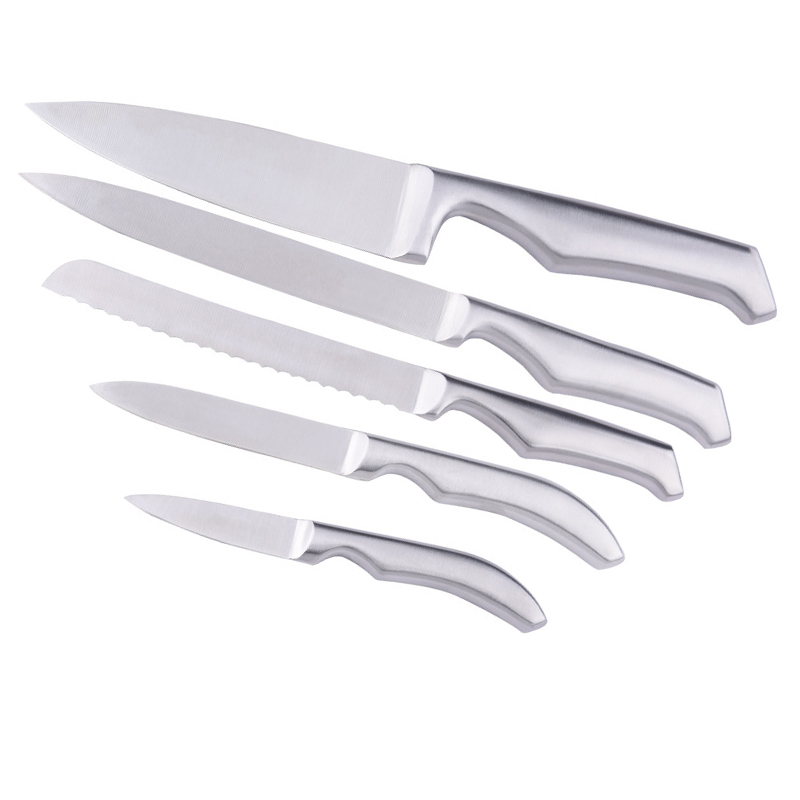
The chef's knife is the cornerstone of any knife set. Typically ranging from 8 to 10 inches in length, it is designed for a variety of tasks, including chopping, slicing, and dicing. A good chef's knife should feel comfortable in your hand and have a sharp, durable blade.
A paring knife is smaller than a chef's knife and is ideal for intricate tasks such as peeling fruits and vegetables or deveining shrimp. Its size allows for greater control, making it an essential tool in any kitchen.
A serrated bread knife is designed to cut through crusty loaves without crushing the soft interior. The serrated edge allows for smooth slicing, making it a must-have for anyone who enjoys baking or eating fresh bread.
The utility knife is a versatile tool that falls between a chef's knife and a paring knife in size. It is perfect for various tasks, such as slicing cheese or cutting sandwiches, making it a valuable addition to your knife set.
A boning knife features a thin, flexible blade that is ideal for filleting fish or deboning meat. Its design allows for precision and control, making it easier to separate meat from bones.
Cooking should be an enjoyable experience, and having the right tools can enhance that enjoyment. A quality knife set allows you to work more efficiently and with greater precision, making meal preparation a pleasure rather than a chore.
Presentation is an important aspect of cooking, and a quality knife set can help you achieve beautifully cut ingredients. Whether you are preparing a vegetable platter or garnishing a dish, the precision of a good knife can elevate the visual appeal of your meals.
When you have the right tools at your disposal, you are more likely to experiment and try new recipes. A quality knife set can boost your confidence in the kitchen, encouraging you to explore your culinary creativity.
When selecting a knife set, consider your cooking habits. If you frequently prepare complex meals, investing in a higher-end set may be worthwhile. For occasional cooks, a more basic set may suffice.
High-quality knives are typically made from high-carbon stainless steel, which offers durability and sharpness. Pay attention to the handle material as well; comfortable, non-slip handles can enhance your cooking experience.
A good knife set should come with a warranty, indicating the manufacturer's confidence in their product. This can provide peace of mind and protect your investment.
Ensure that the knife set includes a variety of essential knives that suit your cooking needs. A well-rounded set should have a chef's knife, paring knife, bread knife, and utility knife at a minimum.
To keep your knives in top condition, regular sharpening is essential. Use a honing steel or a professional sharpening service to maintain the edge of your blades.
Always hand wash your knives with mild soap and water. Avoid putting them in the dishwasher, as this can damage the blades and handles.
Store your knives in a block or on a magnetic strip to protect the blades and prevent accidents. Avoid tossing them in a drawer, as this can dull the edges.
Investing in a quality knife set is a decision that can greatly enhance your cooking experience. Whether you choose a high-end set or a more budget-friendly option, the right knives can make meal preparation more enjoyable and efficient.
1. What is the best knife set for beginners?
- A basic set that includes a chef's knife, paring knife, and bread knife is ideal for beginners.
2. How often should I sharpen my knives?
- It's recommended to sharpen your knives every few months, depending on usage.
3. Are expensive knife sets worth it?
- Generally, higher-priced knife sets offer better quality, durability, and performance, making them a worthwhile investment for serious cooks.
4. Can I put my knives in the dishwasher?
- No, it's best to hand wash your knives to prevent damage.
5. What materials are best for knife handles?
- Look for handles made from materials like wood, plastic, or rubber for comfort and grip.


