

Views: 290 Author: Site Editor Publish Time: 2026-01-16 Origin: Site


Content Menu
● The Importance of a Basic Knife Set
>> Efficiency in Food Preparation
● Essential Knives for a Basic Set
>> Chef's Knife
>> Paring Knife
>> Boning Knife
>> Cleaver
>> Steak Knives
>> Quality
>> Comfort
>> Maintenance
>> Cleaning
>> Drying
>> Sharpening
>> Storage
In the culinary world, having the right tools is crucial for success. A well-equipped kitchen starts with a basic set of knives that can handle a variety of tasks. This article will explore the essential knives that should be included in a basic knife set, their uses, and tips for choosing the right ones for your kitchen.
A basic knife set is fundamental for any kitchen, whether you are a novice cook or a seasoned chef. Each knife serves a specific purpose, allowing for efficiency and precision in food preparation. Investing in a quality knife set can enhance your cooking experience, making it more enjoyable and less frustrating.
Having a basic knife set means you have the right tools for the job. Each knife is designed for specific tasks, which can help you work more efficiently in the kitchen. For example, a chef's knife is perfect for chopping and slicing, while a paring knife is ideal for intricate tasks like peeling and trimming. This efficiency can save you time and effort, allowing you to focus on creating delicious meals.
Using the right knife for the task at hand can also enhance safety in the kitchen. Dull knives can be dangerous as they require more force to cut, increasing the risk of slips and accidents. A basic knife set with sharp, high-quality knives can help you maintain control while cutting, reducing the likelihood of injuries.
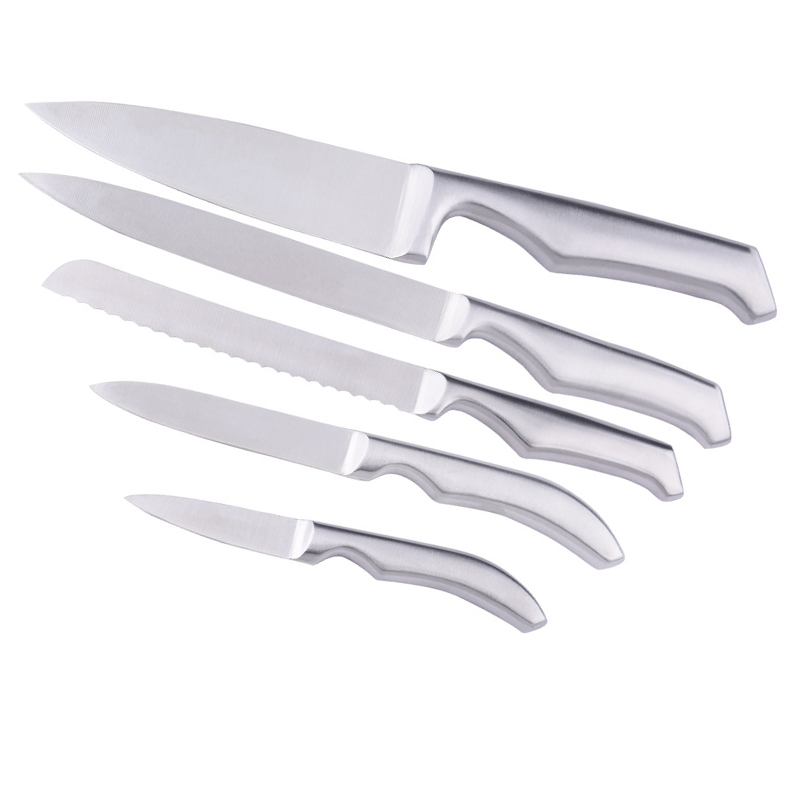
A basic knife set should include a variety of knives that cover the most common cooking tasks. Here are the essential knives that every kitchen should have:
The chef's knife is the most versatile knife in the kitchen. Typically ranging from 8 to 10 inches in length, it is designed for a variety of tasks, including chopping, slicing, and dicing. The curved blade allows for a rocking motion, making it ideal for mincing herbs and garlic.
The paring knife is a small knife with a blade length of about 3 to 4 inches. It is perfect for intricate tasks such as peeling fruits and vegetables, deveining shrimp, and trimming fat from meat. Its size and maneuverability make it an essential tool for detailed work in the kitchen.
A serrated bread knife features a long, wavy blade that is ideal for slicing through crusty bread without crushing the soft interior. It can also be used for cutting cakes and tomatoes. The serrated edge allows for a sawing motion, making it easier to cut through tough exteriors.
The utility knife is a versatile tool that falls between a chef's knife and a paring knife in size. It is great for slicing sandwiches, cutting fruits, and performing various tasks that require a bit more precision than a chef's knife. Its smaller size makes it easy to handle for detailed work.
A boning knife features a thin, flexible blade that is designed for deboning meat and fish. Its sharp edge allows for precise cuts around bones and joints, making it an essential tool for butchering. The flexibility of the blade helps navigate around bones without damaging the meat.
The cleaver is a heavy-duty knife with a broad blade that is perfect for chopping through bones and tough cuts of meat. It can also be used for crushing garlic and ginger. While it may not be as versatile as other knives, it is invaluable for specific tasks that require more force.
A slicing knife is long and thin, designed for slicing cooked meats, such as roasts and turkey. Its sharp edge allows for clean, even cuts, making it ideal for presentation. A good slicing knife can enhance the appearance of your dishes and make serving easier.
The Santoku knife is a Japanese-style knife that is similar to a chef's knife but typically shorter and lighter. It features a flat edge and a rounded tip, making it excellent for slicing, dicing, and mincing. The hollow edge helps prevent food from sticking to the blade.
Steak knives are designed for cutting cooked meat at the dining table. They typically come in sets and feature serrated or straight edges. While not essential for food preparation, having a good set of steak knives can enhance the dining experience.
When selecting knives for your basic set, consider the following factors:
Invest in high-quality knives made from durable materials. Look for stainless steel or high-carbon steel blades that offer good edge retention and resistance to rust.
Choose knives with ergonomic handles that provide a comfortable grip. A well-balanced knife will reduce hand fatigue during extended use.
Consider how easy it is to maintain the knives. Some knives require more frequent sharpening than others, so choose a set that fits your lifestyle and cooking habits.
To ensure your knives last a long time, proper care is essential. Here are some tips:
Always wash your knives by hand with warm, soapy water. Avoid putting them in the dishwasher, as the heat and moisture can damage the blades and handles.
After washing, dry your knives immediately with a soft cloth to prevent rust and corrosion.
Regularly sharpen your knives using a whetstone or honing rod. A sharp knife is safer and more effective than a dull one.
Store your knives in a block, on a magnetic strip, or in sheaths to protect the blades and prevent accidents.
A basic knife set is an essential investment for any kitchen. By including a chef's knife, paring knife, serrated knife, utility knife, boning knife, cleaver, slicing knife, Santoku knife, and steak knives, you will be well-equipped to handle a variety of cooking tasks. With proper care and maintenance, these knives will serve you well for years to come.
1. What is the most important knife to have in a kitchen?
- The chef's knife is considered the most important knife due to its versatility in handling various tasks.
2. How often should I sharpen my kitchen knives?
- It is recommended to sharpen your knives every few months, depending on usage.
3. Can I put my kitchen knives in the dishwasher?
- No, it's best to wash knives by hand to prevent damage.
4. What types of knives should be included in a basic set?
- A basic set should include a chef's knife, paring knife, serrated knife, utility knife, boning knife, cleaver, slicing knife, Santoku knife, and steak knives.
5. How should I store my kitchen knives?
- Store them in a knife block, on a magnetic strip, or in sheaths to protect the blades.


