

Views: 270 Author: Site Editor Publish Time: 2025-08-29 Origin: Site


Content Menu
● Understanding Hollow Handle Kitchen Knives
>> What Is a Hollow Handle Kitchen Knife?
>> Why Choose a Hollow Handle?
● Key Factors to Consider for Durability
>> Blade Material and Sharpness
>> Handle Construction Quality
● Maintenance Tips for Longevity and Comfort
>> Safe Storage
● Popular Brands Known for Durable and Comfortable Hollow Handle Knives
>> 1. How durable are hollow handle knives compared to solid handle knives?
>> 2. Is a hollow handle knife easier to use for extended periods?
>> 3. Can hollow handle knives rust inside the handle?
>> 4. How often should I sharpen my hollow handle kitchen knife?
>> 5. Are hollow handle knives more expensive?
● Understanding Hollow Handle Kitchen Knives
>> What Is a Hollow Handle Kitchen Knife?
>> Blade Material and Sharpness
>> Handle Construction Quality
● Caring for Your Hollow Handle Knife
>> Cleaning
>> Sharpening
>> Storage
● Recommended Hollow Handle Kitchen Knife Brands
● Visuals & Videos (Conceptual)
>> 1. Are hollow handle knives as durable as solid handle knives?
>> 2. Are hollow handle knives more comfortable for extended use?
>> 3. Can the hollow handle rust inside?
>> 4. How often should I sharpen a hollow handle kitchen knife?
>> 5. Are hollow handle knives more expensive than solid handle knives?
Selecting the perfect hollow handle kitchen knife requires a balanced approach that considers both durability and comfort. This article serves as a comprehensive guide to help kitchen enthusiasts and professional chefs choose knives that offer long-lasting performance while ensuring ease of use, safety, and enjoyment in food preparation.
A hollow handle kitchen knife is designed with a handle that is hollow or has a hollow cavity within. This design is distinct from solid handle knives, offering specific benefits such as reduced weight and sometimes enhanced grip comfort. Hollow handles have been popular among culinary professionals because they strike a good balance between strength and maneuverability.
The hollow handle decreases the overall weight of the knife, allowing for easier control and less hand fatigue during prolonged cutting tasks. A hollow handle can also provide better temperature control since it often stays cooler than solid metal or densely packed handles, especially useful when handling hot or cold foods. Additionally, the reduced material in the handle can give a balanced distribution of weight towards the blade, which many chefs favor for precision.
Durability begins with the blade. High-carbon stainless steel is widely recommended because it combines toughness with corrosion resistance. The blade should retain its sharp edge well over time while being relatively easy to sharpen when needed. Some popular steel types include X50CrMoV15 and 7Cr17MoV, which are known for their resistance to rust, chipping, and wear.
A durable hollow handle knife typically features a weld or seamless fusion between the blade and the handle. This welding prevents moisture from seeping into the handle, which could cause rust or weaken the knife over time. One-piece forged knives with hollow handles or those with reinforced joints are highly sought after for their longevity.
Check if the knife offers a full tang (where the blade metal extends through the entire handle length), even in hollow handle designs. A full tang contributes greatly to overall knife strength and balance, reducing the likelihood of handle breakage or loosening with use.
Comfort in a hollow handle knife is largely about the grip. The handle should feel natural in your hand, fitting comfortably without causing stress or slipping. Look for models with smooth finishes that aren't slippery yet are easy to clean and dry. Ergonomically shaped handles reduce pressure points and provide a secure hold even when wet or oily.
A hollow handle knife should be lightweight but well-balanced, meaning the weight distribution between the handle and the blade feels intuitive. This balance helps increase precision and reduces wrist strain during chopping, slicing, and dicing.
While the handle is hollow, materials still vary widely. Common options include stainless steel, plastic composites like G10, or stabilised woods like Pakkawood. Each offers different benefits: stainless steel handles boast exceptional durability but can be cold and slippery, G10 provides a non-slip surface and resistance to moisture, and stabilised woods combine beauty with reasonable durability.
Always hand wash hollow handle knives with gentle soap and water, drying immediately to avoid moisture buildup inside the handle. This practice reduces corrosion risk and prevents handle degradation.
Sharpen knives regularly to maintain edge precision. Use sharpening stones or professional sharpening services to keep the blade sharp, contributing to safe and comfortable cutting.
Store knives in blocks, magnetic strips, or with blade guards to protect the edge and preserve handle condition. Avoid tossing them in drawers where both the handle and blade can be damaged.
- Global: Renowned for one-piece stainless steel knives that balance durability with comfort.
- Shun: Offers hollow handle knives with high-quality Damascus steel and ergonomic handles.
- Wüsthof: Known for precision-forged knives combining full tangs with hollow handles.
- Mercer Culinary: Offers budget-friendly, durable hollow handle knife options ideal for beginners and professionals.
- Victorinox: A respected brand for comfortable and durable kitchen knives widely used in professional kitchens.
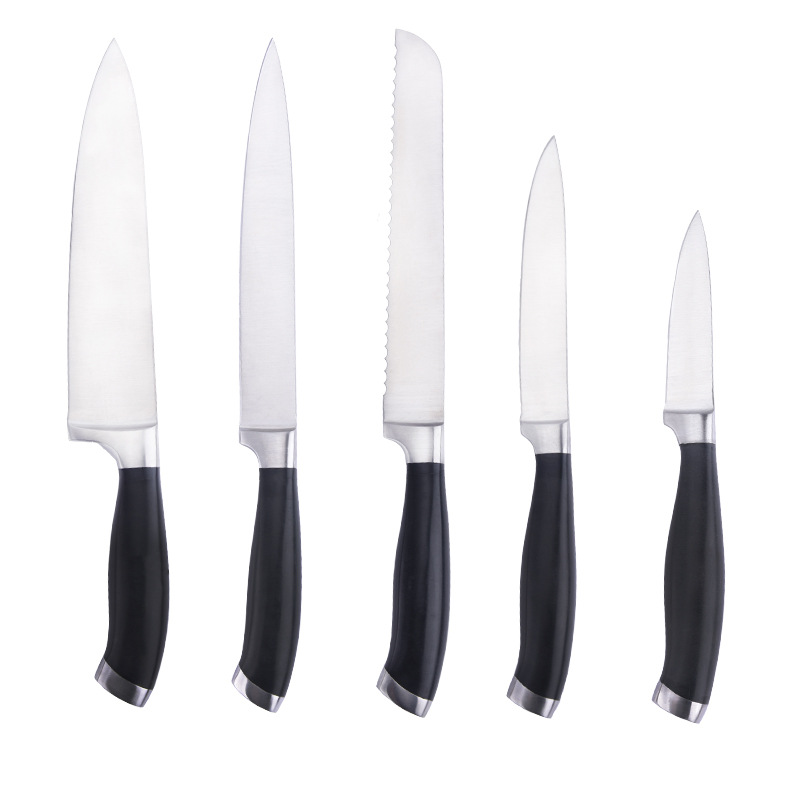
(Insert images showing examples of hollow handle knife designs, diagrams of handle construction, ergonomic grip illustrations, and videos demonstrating knife handling, sharpening techniques, and cleaning procedures.)
Well-made hollow handle knives with proper welding and full tang construction can be as durable as solid handle knives, providing excellent longevity with proper care.
Yes, the lighter weight and ergonomic design of many hollow handle knives reduce hand fatigue, making them comfortable for prolonged kitchen work.
If water penetrates the hollow compartment, corrosion can occur. Choosing knives with well-sealed handles and drying them promptly helps prevent rust.
Regular honing can be done weekly or as needed, with professional sharpening recommended every few months depending on usage.
Generally, the complexity in manufacturing hollow handle knives might make them slightly pricier, but many brands offer options across various budgets.
Selecting the perfect hollow handle kitchen knife requires balancing durability and comfort for the best performance in the kitchen. Hollow handle knives feature handles with an internal cavity, making them uniquely lightweight and ergonomically friendly. This comprehensive guide explores everything needed to choose a hollow handle knife that lasts long and feels great in hand.
A hollow handle kitchen knife has a handle with a hollow or partially hollow interior, reducing overall weight compared to solid handles. This design enhances maneuverability and comfort, especially during extended culinary tasks. The hollow space often helps keep the handle cooler and better balanced.
- Lightweight: Minimizes fatigue during repetitive cutting
- Balance: Shifts weight towards the blade, improving control
- Temperature Control: Stay cooler than solid metal handles
- Ergonomics: Often have larger and comfortable grips that fit hands naturally
The blade's steel is the foundation of durability. High-carbon stainless steel is highly recommended for combining strength, rust resistance, and edge retention. Two common steels are X50CrMoV15 and 7Cr17MoV, offering strong corrosion resistance and maintaining sharpness with reasonable sharpening needs.
Durable hollow handle knives ensure the blade and handle are securely joined by precision welding or forging. This prevents water ingress, rust, and loosening during use. One-piece forged blades with hollow handles or reinforced joints dramatically extend knife life.
A full tang (blade metal extending through the handle length) is crucial even in hollow handle knives. It enhances strength and balance, preventing handle failures or wobbling while cutting.
Comfort translates to handles that naturally fit the hand's contours without sharp edges or pressure points. Smooth finishes that resist slipping even when wet are ideal. Hollow handles often have wider diameters offering a secure grip.
Balance between handle and blade governs ease of use. The lightweight hollow handle should still feel substantial and well-balanced to reduce wrist strain and enhance precision.
Hollow handles come in various materials:
- Stainless Steel: Durable but can feel cold or slippery
- G10 Composite: Strong, moisture-resistant, and offers excellent grip
- Stabilized Wood: Beautiful, warm touch with decent durability due to resin treatment
Hand wash with mild soap immediately after use and dry thoroughly to avoid moisture entering the handle cavity and causing corrosion.
Maintain a sharp edge by regular honing and professional sharpening when dull to keep cutting effortless and safe.
Use knife blocks, magnetic strips, or blade guards to protect cutting edges and the handle from damage.
- Global: Seamless stainless steel knives, well-balanced, light, and durable
- Shun: Elegant Damascus steel blades with ergonomically crafted hollow handles
- Wüsthof: Precision-forged for durability with full tang hollow handles
- Mercer Culinary: Affordable, high-quality options good for professionals and home cooks
- Victorinox: Trusted for durable, comfortable hollow handle knives widely used by chefs
- Images depicting hollow handle cross-sections and blade tangs
- Videos demonstrating ergonomic grip and knife balance tests
- Tutorials on proper sharpening and cleaning techniques for hollow handle knives
Yes, high-quality hollow handle knives with proper construction are equally durable and long-lasting.
Their lighter weight and ergonomic design reduce fatigue, making them comfortable for long kitchen sessions.
If moisture enters and stays inside the handle, rust can develop, but solid welding and prompt drying prevent this.
Hone regularly as needed; seek professional sharpening every few months based on frequency of use.
They can be pricier due to manufacturing complexity, but a wide price range exists depending on brand and materials.
[1](https://ergochef.com/how-to-choose-the-right-kitchen-knife/)
[2](https://www.moletausa.com/post/how-to-choose-a-chef-s-knife)
[3](https://oishya.com/journal/guide-kitchen-knife-handle-types-and-materials/)
[4](https://www.reddit.com/r/cookingforbeginners/comments/f7shfw/factors_to_look_our_for_when_finding_a_good_knife/)
[5](https://www.kitchenkapers.com/pages/how-to-choose-kitchen-knives)
[6](https://www.helloknife.com/how-to-choose-the-perfect-hollow-handle-kitchen-knife-for-your-needs.html)
[7](https://imarku.net/blogs/news/best-chef-knife-under-100-imarku-5-knives-reviews)
[8](https://www.techgearlab.com/topics/kitchen/best-kitchen-knife-set)


