

Views: 290 Author: Site Editor Publish Time: 2026-04-07 Origin: Site


Content Menu
>> Introduction: A Small Tool, Big Impact
● The Evolution of the Cheese Butter Knife
● Form Meets Function: Anatomy of a Cheese Butter Knife
>> The Blade
>> The Handle
● The Cheese Butter Knife in Contemporary Table Settings
>> Symbol of Sophisticated Hospitality
● Practical Uses in Everyday Life
● Materials and Design Trends in Modern Dining
● The Social Meaning of Dining Accessories
● Integrating Tradition with Modern Dining
>> Recreating Classic European Rituals
>> Cultural Fusion in Global Kitchens
● Photography and Presentation in Digital Dining
● Enhancing the Dining Experience
In the modern culinary world, it's often the smallest tools that reveal the most about our taste and sophistication. The cheese butter knife, crafted for effortless spreading and elegant serving, is one such utensil. Once considered a niche instrument used only by connoisseurs, it has become a symbol of aesthetic refinement and functional excellence in both professional restaurants and home kitchens. The evolution of dining culture has turned this simple knife into a statement piece that merges tradition with innovation.
The cheese butter knife's story began in Europe, where cheese was not merely food—it was art. As early as the 18th century, nobles in France and Italy demanded specialized tools to handle soft cheeses delicately. These knives featured rounded blades, often made from silver or steel, designed to protect the texture of fine cheeses.
Today's versions reflect the blending of global craftsmanship with modern ergonomics. Minimalist stainless steel designs coexist with handcrafted wood handles and eco-friendly materials. What remains constant is the knife's commitment to precision and presentation—a bridge between culinary art and functional design.
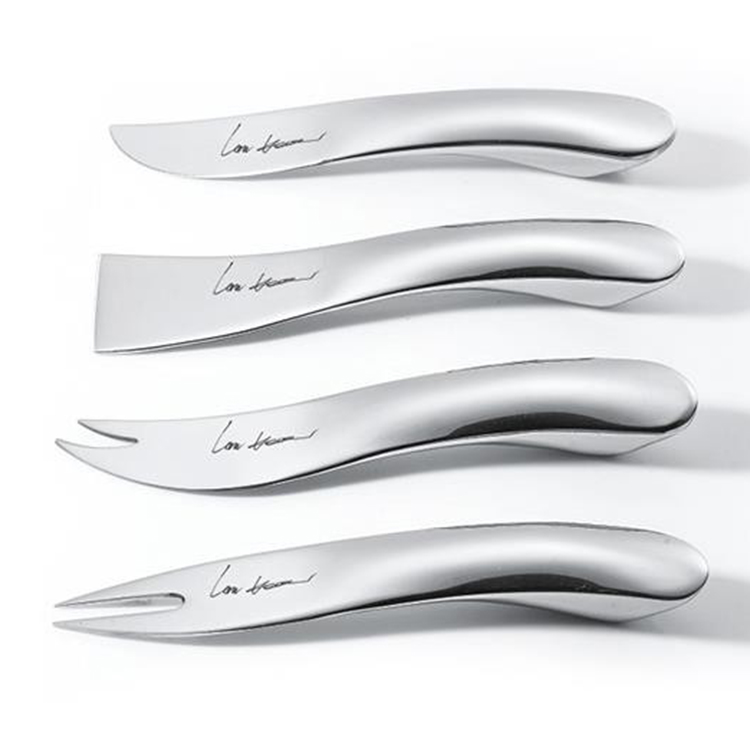
Its short, rounded blade is carefully shaped to prevent tearing soft textures while spreading smoothly. Many blades feature light perforations or serrations, allowing flexible use across varied cheese densities.
Handles can be crafted from stainless steel, wood, resin, or even ceramic. Each material changes the tactile experience. Wooden handles evoke warmth and tradition, while steel handles add sleek professionalism.
Good knife balance ensures effortless control. Chefs often test grip comfort and weight before choosing a butter knife. In dining presentations, perfect symmetry enhances both performance and visual appeal.
In modern dining, presentation matters as much as flavor. A cheese butter knife elevates even a simple spread into an experience. Fine dining establishments use matching knife sets that complement the color and texture of their plates and boards.
Hosting guests with a well-curated cutlery selection signals thoughtfulness. A cheese butter knife, chosen with care, reflects appreciation for detail—a trait increasingly valued among food enthusiasts and hosts.
Beyond formal occasions, the cheese butter knife fits perfectly into casual dining. It spreads butter, jam, or cream cheese with finesse, making morning meals a touch more elegant.
At wine tastings or casual gatherings, pairing cheese butter knives with wooden boards enhances style and function. Guests can easily serve themselves without damaging delicate cheese textures.
Professional chefs may use this knife not only to spread but also to decorate dishes. Smooth surfaces help control plating textures, creating cleaner visual lines for gourmet presentation.
Eco-conscious consumers seek knives made from renewable wood sources or recycled steel. Sustainability adds moral value to culinary aesthetics, making simple utensils part of a larger lifestyle statement.
Simple, functional designs now dominate restaurant trends—sleek stainless knives, monochromatic tones, and light geometry emphasize subtlety. Sophistication is found in restraint, not ornamentation.
Some brands combine traditional shaping with innovative materials such as resin or carbon fiber, creating knives that serve function and act as collectible art.
Most cheese butter knives require gentle hand washing. Stainless steel can go in the dishwasher, but wooden handles should be cleaned manually and dried immediately to avoid splitting.
Store knives in dry drawers or air-exposed racks. Avoid stacking—they may scratch the blade's finish. Some food enthusiasts use magnetic wall strips to display knives as functional décor.
Unique utensils like cheese butter knives often spark conversation. They represent a mix of craftsmanship, regional heritage, and personal taste—an inviting topic during shared meals.
Owning a well-picked knife shows attention to culinary detail. It reflects lifestyle choices such as quality dining, design appreciation, and love for harmony at the table.
Fine dining today draws inspiration from historical European etiquette where each utensil had its purpose. Modern dining reinterprets this tradition through minimalism and sensory harmony.
Asian and European influences blend seamlessly in contemporary gastronomy, and this reflects even in utensils. Cheese butter knives appear in sushi bars, bakeries, and vegan cafés alike—each adapting its aesthetic to match local tastes.
In the age of Instagram dining, table aesthetics matter. A cheese butter knife adds an artisanal touch to food photography—tiny detail, big impact in visual storytelling.
Restaurants use custom-designed knives with logo engravings as subtle branding tools. It communicates quality and exclusivity through visual identity.
Research shows that tactile experiences—such as the feel of a well-balanced knife—enhance perception of food quality. It's about ritual as much as texture; good tools make dining sensory and memorable.
The cheese butter knife illustrates how beauty and function coexist harmoniously. A tiny blade can embody the essence of culinary innovation—making every meal practice both efficient and graceful.
Q1: Why is the cheese butter knife considered essential for fine dining?
A1: It allows precise spreading and cutting without damaging food textures, enhancing the dining aesthetic.
Q2: What is the best material for a cheese butter knife?
A2: Stainless steel offers durability, while wooden handles add organic charm—choose based on style and care preference.
Q3: Can cheese butter knives be dishwasher-safe?
A3: Stainless steel versions are generally safe; wooden-handled knives should be hand-washed.
Q4: Where can I use a cheese butter knife besides cheese?
A4: It's versatile—great for butter, jam, pâté, and frosting.
Q5: How do I store my cheese butter knives properly?
A5: Store in dry, airy spaces; magnetic strips or lined drawers keep blades protected and easily accessible.


