

Views: 290 Author: Site Editor Publish Time: 2026-04-21 Origin: Site


Content Menu
● Anatomy of a Soft Cheese Knife
>> Blade Design
● Anatomy of a Soft Cheese Knife
>> Blade Design
● Ideal Cheeses for These Knives
● Comparison to Other Cheese Knives
>> Blade Steels
>> Blade Length
>> Fan Slices
>> Usage Demo
>> Dull Cuts
>> Custom Holes
>> Log Lengths
>> Summer Fresh
>> Winter Aged
>> Travel Cases
>> Cheese Tarts
● FAQs
>> Why do holes prevent sticking?
Soft cheese knives solve the frustration of cutting creamy, sticky cheeses like brie and camembert without deformation or mess. These specialized tools feature perforated blades and thin profiles that glide through delicate textures while preventing adhesion. Mastering their design and application elevates cheese boards from ordinary to impressive.
Every element serves a purpose in handling high-moisture cheeses.
The hallmark perforated or slotted blade reduces surface area contact. Holes allow cheese to release naturally rather than cl
Soft cheese knives solve the frustration of cutting creamy, sticky cheeses like brie and camembert without deformation or mess. These specialized tools feature perforated blades and thin profiles that glide through delicate textures while preventing adhesion. Mastering their design and application elevates cheese boards from ordinary to impressive.
Every element serves a purpose in handling high-moisture cheeses.
The hallmark perforated or slotted blade reduces surface area contact. Holes allow cheese to release naturally rather than cling.
This infographic displays various cheese knives, highlighting the soft cheese knife's distinctive holes that minimize sticking.
Offset handles provide knuckle clearance during close work. Ergonomic curves fit natural grip for fatigue-free use.
Forked prongs at the end enable serving slices without extra tools. Some models offer straight tips for precision slicing.
Engineering principles make these knives effective.
Perforations create air pockets that break suction between cheese and metal. Less contact equals cleaner release.
Thin blades apply minimal force per square inch, preserving the cheese's airy structure.
Cheeses paired with matching knives demonstrate how soft models maintain creamy integrity.
Match tools to textures for optimal results.
Brie, camembert, and cambozola benefit most. The knife preserves the powdery exterior and gooey center.
Neufchâtel, burrata, and high-fat creams slice without oozing uncontrollably.
Young goat cheeses and havarti logs work well when slightly chilled.
Understand positioning within the full toolkit.
Soft models lack the thick spine needed for parmesan or cheddar. Use sturdy blades there instead.
Knives slice portions; spreaders portion onto crackers. Both complement each other.
Knife collections reveal soft versions amid harder, thicker siblings.
Centuries of cheesemaking refined these tools.
French and Italian artisans first perforated blades for bloomy rinds in the 19th century.
Stainless steel replaced carbon steel, improving corrosion resistance without sacrificing sharpness.
Quality affects performance and longevity.
High-carbon stainless holds keen edges through acidic cheeses. Non-stick coatings further reduce adhesion.
Wood offers warmth; resin provides durability and water resistance.
Premium sets showcase ergonomic handles paired with perforated blades.
Key factors guide purchases.
4-6 inches suits home use; longer for professional counters.
Larger holes for ultra-soft; smaller for firmer semi-softs.
Forward balance aids downward pressure without fatigue.
Technique maximizes design benefits.
Allow 45 minutes at room temp. Cold cheese resists; warm cheese flows too much.
Vertical plunge, no sawing. Rotate wheel between slices for uniformity.
Perforated blades in action beside creamy wedges show effortless release.
Care preserves performance.
Hot soapy water immediately after use. Avoid dishwashers for wood handles.
Ceramic honing rod weekly; whetstone monthly at 15-degree angle.
Magnetic strips or sheaths protect edges from dulling contact.
Separate fact from myth.
Serrations tear soft textures rather than slice cleanly.
These excel at soft cheeses only; hard varieties demand different strength.
Slotted designs contrast with solid blades for different firmness levels.
Integrate with complementary tools.
Soft knife, hard knife, spreader, chisel covers all bases.
Matching handles create cohesive board aesthetics.
Enhance platters creatively.
Angle blade for overlapping petals that showcase creaminess.
Trim rind, cube interior for easy picking.
Cutting demos illustrate smooth entries into dense-yet-soft blocks.
Visuals accelerate mastery.
This breakdown shows air pocket formation.
Step-by-step brie slicing.
Tested sets reveal ergonomic superiority.
Context elevates the tool.
Position near soft cheeses for guest self-service.
Slice beside fruits that complement creaminess like pears.
Mongers rely on durability.
Reinforced models withstand daily slicing of hundreds of wheels.
Polished finishes match upscale shop aesthetics.
Multi-use knives handle both serving and cutting seamlessly.
Global traditions highlight variations.
Elegant perforated designs for triple creams.
Wider slots for stracciatella textures.
Quick fixes restore performance.
Cheese too cold; temper longer.
Hone immediately; check for burrs.
Labeled arrays simplify identification.
Customize for preferences.
Drilled patterns for specific cheese consistencies.
Sand for personalized grip.
Scale to cheese dimensions.
Larger blades for 8+ inch rounds.
Shorter blades for handheld portions.
Matched pairings teach intuitive selection.
Align with availability.
Mozzarella and chevre demand anti-stick precision.
Transition to semi-soft for milder profiles.
Modern solutions protect investments.
Display-ready organization by type.
Compact for picnics and parties.
Close-ups capture edge details.
Choose thoughtfully.
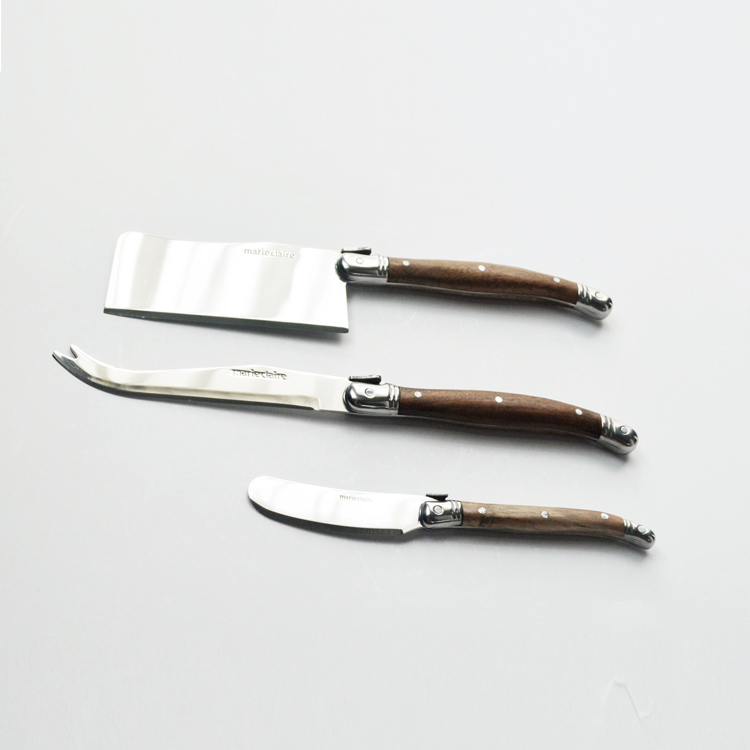
Three-piece intro kits build confidence.
Walnut-handled heirlooms impress.
Action reveals geometry advantages.
Practical considerations.
Seamless designs prevent bacterial traps.
Blunt tips for family boards.
Sustainable choices matter.
Brands using post-consumer metals.
Renewable alternatives to plastic.
Guides map features comprehensively.
Trends to watch.
Self-cleaning nano-surfaces.
Interchangeable tips for versatility.
Reviewed collections highlight top performers.
Incorporate into cooking.
Perfect wedges retain shape in oven.
Uniform slices ensure even filling.
Versatile tools beside finished platters.
Hostess secrets.
Engage guests with live slicing.
Thin cuts stretch servings elegantly.
Grids facilitate quick reference.
From pros to home cooks.
Clean blades between wheels prevent flavor transfer.
Polish weekly for showroom shine.
Visual matches reinforce learning.
They reduce metal-cheese contact and create release points.
Occasionally for thin shavings, but thicker blades perform better.
Hone weekly, sharpen monthly with regular use.
Wood for aesthetics, plastic for low maintenance.
Perforated forked-tip covers most soft varieties.


