

Views: 290 Author: Site Editor Publish Time: 2025-11-03 Origin: Site


Content Menu
>> Definition of a Cheese Board
>> The Difference Between Cheese Boards and Charcuterie Boards
>> Soft Cheeses
>> Hard Cheeses
>> Blue Cheeses
● Accompaniments to Enhance Your Cheese Board
>> Fresh Fruits
● Assembling Your Cheese Board
● Pairing Wine with Your Cheese Board
● Creative Themes for Cheese Boards
A cheese board, often referred to as a cheeseboard or cheese platter, is a selection of cheeses served alongside various accompaniments. These accompaniments can include fruits, nuts, crackers, and spreads, all designed to enhance the flavors of the cheese. The beauty of a cheese board lies in its versatility; it can be tailored to suit any occasion or personal preference.
While cheese boards focus primarily on cheese, charcuterie boards include cured meats along with cheeses. Understanding this distinction can help you create a more focused and enjoyable experience for your guests. A cheese board is perfect for cheese lovers, while a charcuterie board caters to those who enjoy a mix of meats and cheeses.
When building a cheese board, variety is key. Here are some types of cheeses to consider:
- Brie: A creamy cheese with a soft rind, perfect for spreading.
- Goat Cheese: Tangy and versatile, it pairs well with fruits and honey.
- Cheddar: A classic choice that comes in various ages, from mild to sharp.
- Parmesan: A hard cheese with a nutty flavor, great for grating.
- Gorgonzola: Creamy with a strong flavor, it adds a bold touch to your board.
- Roquefort: A sheep's milk cheese with a rich, tangy taste.
- Aged Gouda: Sweet and caramel-like, it contrasts beautifully with savory items.
- Truffle Cheese: Infused with truffle oil, it adds an earthy depth.
To complement the cheeses, consider adding a variety of accompaniments:
- Artisan Crackers: Choose a mix of textures, from crunchy to soft.
- Baguette Slices: Freshly baked bread adds a rustic touch.
- Grapes: A classic pairing that adds sweetness.
- Apple Slices: Crisp and refreshing, they balance rich cheeses.
- Almonds: Their crunchiness contrasts nicely with creamy cheeses.
- Dried Apricots: Sweet and chewy, they provide a delightful flavor contrast.
- Honey: A drizzle of honey enhances the flavors of many cheeses.
- Fig Jam: Sweet and savory, it pairs well with blue cheeses.
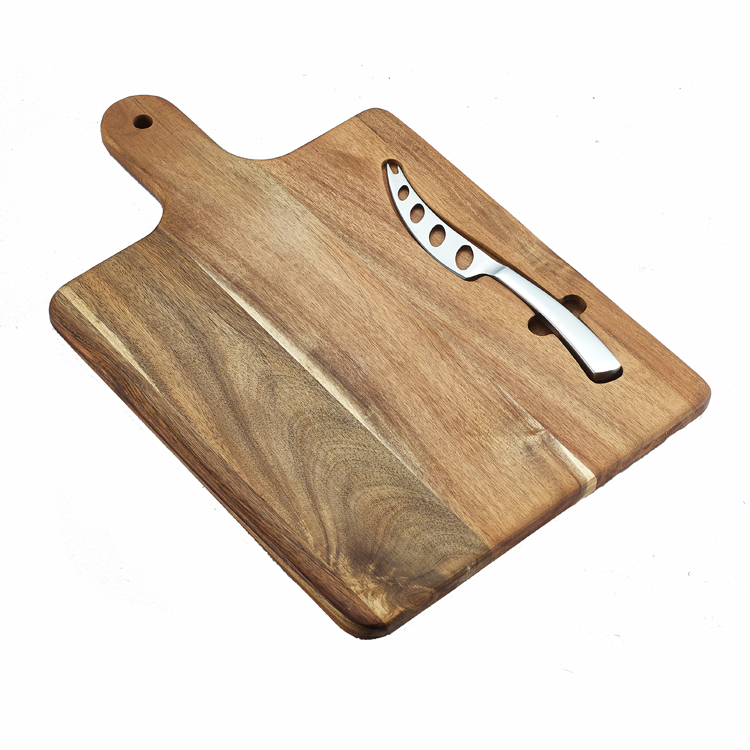
1. Choose Your Board: Select a wooden cutting board, slate, or any flat surface.
2. Arrange the Cheeses: Start by placing the cheeses on the board. Space them out to allow room for accompaniments.
3. Add Accompaniments: Fill in the gaps with crackers, fruits, nuts, and spreads. Aim for a colorful and abundant look.
4. Garnish: Fresh herbs like rosemary or edible flowers can add a beautiful touch.
5. Label the Cheeses: If you're serving a variety, consider labeling each cheese for your guests.
- Vary the Shapes: Cut cheeses into different shapes (slices, cubes, wedges) for visual interest.
- Use Odd Numbers: When arranging items, use odd numbers for a more appealing layout.
- Create Levels: Use small bowls for dips or nuts to add height to your board.
Wine can enhance the flavors of your cheese board. Here are some pairing suggestions:
- White Wine: Pairs well with soft cheeses like Brie and goat cheese.
- Red Wine: Complements hard cheeses like aged cheddar and Gouda.
- Sparkling Wine: A versatile option that works with a variety of cheeses.
- Summer Board: Incorporate fresh fruits, light cheeses, and refreshing dips.
- Winter Board: Use hearty cheeses, dried fruits, and spiced nuts.
- French Board: Feature a selection of French cheeses, baguette, and pâté.
- Italian Board: Include Italian cheeses, cured meats, olives, and bruschetta.
Creating a cheese board is a delightful way to showcase your culinary creativity. By selecting a variety of cheeses and accompaniments, you can craft a visually stunning and delicious experience for your guests. Remember, the key is to have fun and experiment with different flavors and presentations.
1. What types of cheese should I include on my cheese board?
- Aim for a mix of soft, hard, and blue cheeses to provide variety.
2. How many cheeses should I serve?
- A good rule of thumb is to offer 3 to 5 different types of cheese.
3. Can I include meats on a cheese board?
- Yes, but if you want a true cheese board, focus primarily on cheeses.
4. What are some good accompaniments for cheese?
- Crackers, fruits, nuts, and spreads like honey or jam work well.
5. How can I make my cheese board visually appealing?
- Use a variety of colors, shapes, and textures, and arrange items in odd numbers.


