

Views: 290 Author: Site Editor Publish Time: 2026-02-13 Origin: Site


Content Menu
● Understanding the Basics of a Cheese Knives Set
>> Primary Components You'll Find
● Why You Need a Cheese Knives Set
● Choosing the Perfect Cheese Knives Set
>> Balance and Grip Considerations
● Types of Cheese and Their Ideal Knives
>> Soft Cheeses
● Caring for Your Cheese Knives Set
● How to Use a Cheese Knives Set Properly
● Pairing Ideas: Cheese, Wine, and Presentation
>> The Ideal Cheese Board Setup
● Modern Styles and Designs of Cheese Knives Sets
>> Contemporary Metal Finishes
● Hosting a Cheese Tasting Event
Cheese lovers know that enjoying a great piece of cheese is not only about flavor—it's also about how it's prepared and served. Imagine placing an elegant cheese platter in front of guests: rich wedges of brie, chunks of aged cheddar, and slices of gouda glimmering under the light. But how do you cut and serve each piece perfectly? That's where a cheese knives set comes in.
A cheese knives set is an essential collection designed to handle the unique textures and consistencies of various cheeses. It includes several specialized blades and tools—each with a distinct purpose—to preserve flavor, prevent sticking, and make serving effortless.
At its core, a cheese knives set contains tools meant for cutting, spreading, and serving cheese while enhancing its presentation. Unlike standard kitchen knives, cheese knives are designed to interact delicately with soft textures, crumbly surfaces, and tough rinds.
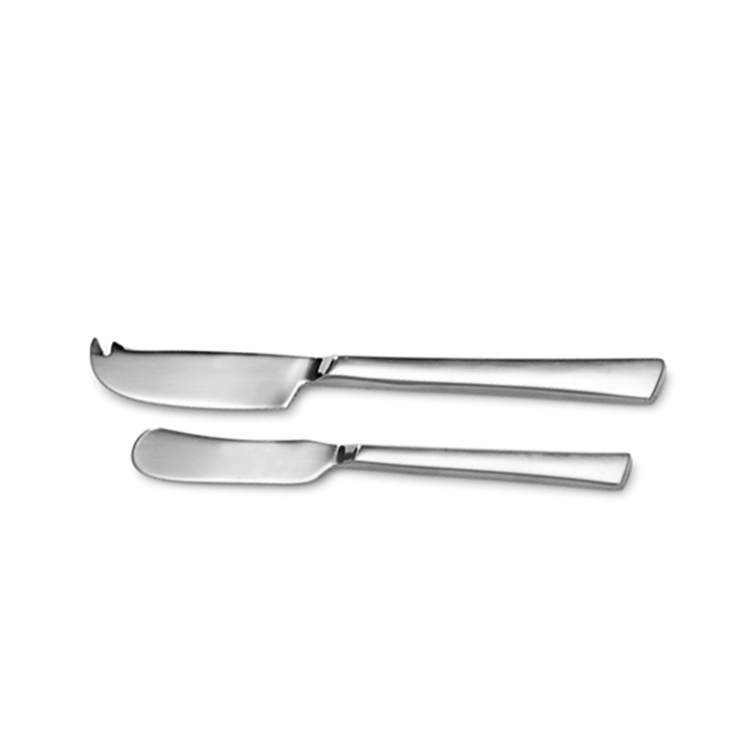
- Soft Cheese Knife: Features holes in the blade to prevent soft cheese from sticking. Perfect for cheeses like brie or camembert.
- Hard Cheese Knife: Built for firm, aged cheeses such as parmesan or pecorino.
- Cheese Cleaver: Short, solid blade for breaking through extra-hard varieties.
- Spreader Knife: Used to spread creamy cheeses or pâtés.
- Serving Fork: Helps lift and present portions without touching them directly.
Cheese knives aren't just decorative—they make a real difference in taste and presentation. Cutting cheese with the right blade ensures a clean slice without changing its structure. For example, if you cut soft goat cheese with a dull or sticky knife, you'll destroy its creamy texture.
- Maintains cheese texture and appearance.
- Makes entertaining more refined and hygienic.
- Prevents flavor mixing between cheese varieties.
- Complements the design of a well-arranged cheese board.
A high-quality set should not only look elegant but perform with precision and comfort.
The most common options include:
- Stainless Steel: Rust-resistant, durable, and smooth.
- High Carbon Steel: Sharper edge, excellent for aged cheeses.
- Ceramic: Good for soft, delicate textures.
- Wood or Steel Handles: Combine function with visual style.
A balanced knife ensures control over your slices. Test how comfortably it sits in your hand before purchasing. Weight distribution matters, especially for firmer cheeses.
Every cheese demands a specific knife to be served properly. Mixing them up might alter texture or impact flavor.
Soft varieties include brie, camembert, and fresh mozzarella. Use a soft cheese knife with blade holes or a wire cutter for clean cuts.
For gouda or edam, a hollow-edge knife keeps slices neat. Short downward motions work best.
Parmesan and pecorino require a cheese cleaver or parmesan knife for leverage and precision.
Proper care ensures longevity and keeps each blade razor-sharp and rust-free.
- Always hand-wash knives in warm, soapy water right after use.
- Avoid the dishwasher unless specified safe by the manufacturer.
- Dry immediately to prevent corrosion or water spots.
Over time, even the best knives dull slightly. Sharpen every few months using a fine-grit sharpening stone or professional service. Lightly oil wooden handles with food-grade mineral oil.
Store in a wooden case, magnetic strip, or soft pouch to protect edges. Keeping knives separated prevents accidental dulling.
Allow cheeses to come to room temperature before slicing; this enhances flavor and makes cutting smoother.
Use gentle downward pressure rather than sawing. For crumbly textures, apply a twisting motion with the tip of the knife. Serve slices neatly to highlight each cheese's texture.
Use separate knives for each variety to prevent mingling flavors. Present cheese clockwise on your board—from mild to strong.
Nothing enhances a cheese experience like thoughtful pairing and presentation.
- Soft cheeses pair well with champagne or crisp white wines.
- Semi-hard cheeses like gouda complement medium-bodied reds.
- Strong, aged cheeses taste great with port or cabernet.
Include 4–6 varieties ranging from delicate to rugged. Garnish with fruit, nuts, honey, and breadsticks for color and taste.
Cheese knives aren't only functional—they're also part of your table's aesthetic statement.
Offer a cozy, rustic charm perfect for farmhouse kitchens.
Polished stainless steel or titanium-coated blades fit minimalist spaces. They resist staining and deliver a sharp, modern look.
These sets make thoughtful gifts for weddings, birthdays, or housewarmings. Choose engraved or boxed sets with elegant packaging.
Celebrate cheeses from around the world by hosting your own tasting.
- Offer a mix of textures (soft, semi-soft, hard).
- Label each cheese clearly.
- Provide separate knives for each category.
- Serve room-temperature selections with matching wines or fruits.
Even enthusiasts sometimes mishandle their knives or cheese.
- Using one knife for every cheese type.
- Storing knives wet, causing rust.
- Using dull blades that crush soft cheeses.
- Cutting cold cheese straight from the fridge.
- Neglecting to clean knives promptly.
1. What exactly is included in a cheese knives set?
Typically, you'll find a soft cheese knife, hard cheese knife, cleaver, spreader, and serving fork, though luxury sets may include extras.
2. Can I use a regular kitchen knife for cheese?
You can, but it often sticks or tears delicate cheeses. A proper cheese knife makes slicing smoother and presentation better.
3. Should cheese knives be sharpened regularly?
Yes, every few months depending on how often you use them. Sharp knives make cleaner cuts and safer handling.
4. Are cheese knives dishwasher-safe?
Most sets are best hand-washed. Look for specific manufacturer instructions if you prefer dishwasher-safe versions.
5. How do I store my cheese knives safely?
Use a dedicated box, magnetic rack, or sheath to protect blades and reduce the risk of dulling.


