

Views: 280 Author: Site Editor Publish Time: 2025-12-08 Origin: Site


Content Menu
● Understanding the Salad Fork
>> Why is Proper Holding Important?
>> Transitioning Between Utensils
● Dining Etiquette with a Salad Fork
● Tips for Mastering Fork Etiquette
>> Stay Relaxed
Understanding how to properly hold a salad fork is essential for anyone looking to enhance their dining etiquette. Whether you are attending a formal dinner or enjoying a casual meal, knowing the correct way to use your utensils can make a significant difference in your dining experience. This article will explore the proper techniques for holding a salad fork, the etiquette surrounding its use, and tips for mastering this essential skill.
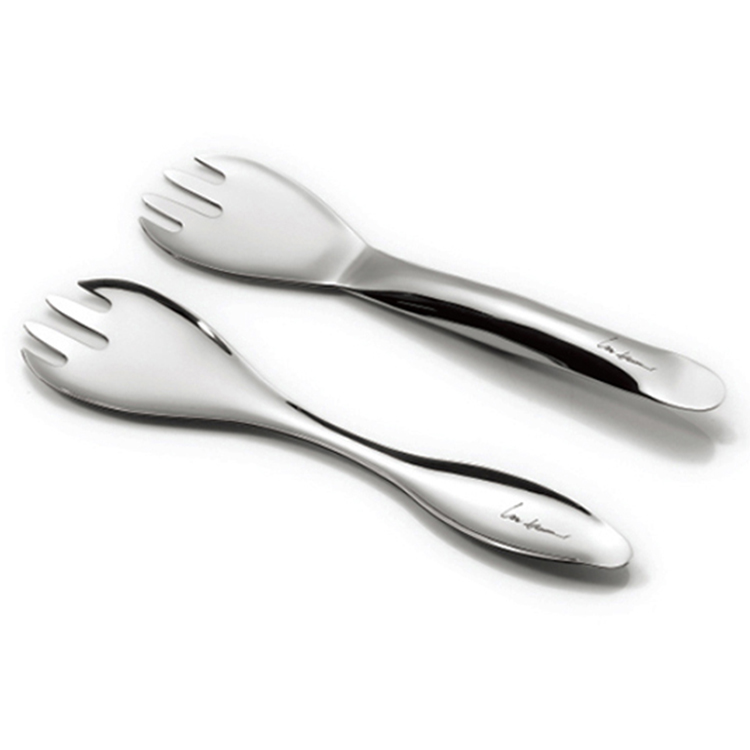
A salad fork is a smaller fork designed specifically for eating salads and lighter dishes. It typically has a broader design than a dinner fork, with shorter tines that make it easier to navigate through leafy greens and delicate ingredients. The salad fork usually has four tines, with the leftmost tine often being wider to assist in cutting through salad components without tearing them apart.
Holding a salad fork correctly not only enhances your dining experience but also reflects your understanding of dining etiquette. Proper utensil handling can make meals more enjoyable and help you feel more confident in social settings.
1. Positioning the Fork: Hold the salad fork in your left hand if you are following the European style of dining. The tines should be facing downwards. If you are using the American style, you may switch the fork to your right hand after cutting food.
2. Grip Technique: Use your thumb and index finger to grip the handle of the fork. Your middle finger should rest against the handle for support, while your ring and pinky fingers can curl around the base of the fork. This grip allows for better control and precision when picking up food.
- Spear the Salad: When you are ready to eat, use the fork to spear the salad ingredients. The wider leftmost tine can help you cut through softer components, while the other tines can pick up smaller pieces.
- Take Small Bites: It is considered polite to take small, manageable bites. This not only enhances your dining experience but also allows you to savor the flavors of the salad.
If you are using a knife along with your salad fork, you will typically hold the knife in your right hand. Use the knife to assist in cutting larger pieces of salad or to push food onto the fork. After cutting, you can switch the fork to your right hand to take a bite, if you are following the American style of dining.
In a formal dining setting, the salad fork is usually placed to the left of the dinner fork. This arrangement allows you to easily identify which fork to use for each course. Remember to follow the "outside-in" rule: use the outermost fork first, which will typically be the salad fork.
When you need to pause during your meal, place the fork in a V-shape on your plate. This signals to the server that you are not finished yet. When you are done eating, lay the fork parallel to the plate with the tines facing up.
One common mistake is gripping the fork too tightly. This can lead to discomfort and may make it difficult to maneuver the fork effectively. Aim for a relaxed grip that allows for fluid movement.
In formal dining, it is important to use the correct hand for holding the fork. If you are following the European style, keep the fork in your left hand throughout the meal. In the American style, you may switch hands after cutting food.
Another mistake is overloading the fork with too much food. This can lead to spills and make it difficult to eat gracefully. Instead, take smaller bites and use the fork to pick up manageable portions.
The best way to become comfortable with holding a salad fork is to practice. Set a table at home and go through the motions of using the fork correctly. This will help you build confidence for future dining experiences.
When dining out, take note of how others handle their utensils. Observing experienced diners can provide valuable insights into proper etiquette and techniques.
Dining should be an enjoyable experience. If you feel nervous about using utensils correctly, take a deep breath and remind yourself that everyone is there to enjoy the meal. Staying relaxed will help you focus on the food and the company.
Mastering the proper way to hold a salad fork is an essential skill for anyone looking to enhance their dining etiquette. By understanding the correct grip, using the fork effectively, and following dining etiquette, you can enjoy your meals with confidence and grace.
1. Can I use a salad fork for other dishes?
- Yes, while it is primarily designed for salads, a salad fork can also be used for appetizers and light desserts.
2. What is the difference between a salad fork and a dinner fork?
- A salad fork is smaller and has wider tines, while a dinner fork is larger and sturdier, designed for main courses.
3. How should I position my fork when resting?
- When resting, place the fork in a V-shape on your plate. When finished, lay it parallel to the plate with the tines facing up.
4. Is it necessary to switch hands when using a salad fork?
- In the American style, you may switch the fork to your right hand after cutting food. In the European style, keep it in your left hand throughout the meal.
5. What should I do if I feel uncomfortable using utensils?
- Practice at home and observe others in dining settings. Staying relaxed and confident will help improve your skills.


