

Views: 280 Author: Site Editor Publish Time: 2026-01-24 Origin: Site


Content Menu
● Understanding Soft Cheese Knives
>> What is a Soft Cheese Knife?
>> The Design of Soft Cheese Knives
>> 2. Enhancing Cutting Efficiency
>> 3. Improving Control and Balance
● How to Use a Soft Cheese Knife
● Caring for Your Soft Cheese Knife
When it comes to enjoying soft cheeses, the right tools can make all the difference. One of the most distinctive features of a soft cheese knife is the presence of holes in its blade. These holes serve a specific purpose that enhances the cutting and serving experience. In this article, we will explore the reasons behind these holes, their benefits, and how they contribute to the overall functionality of the knife.
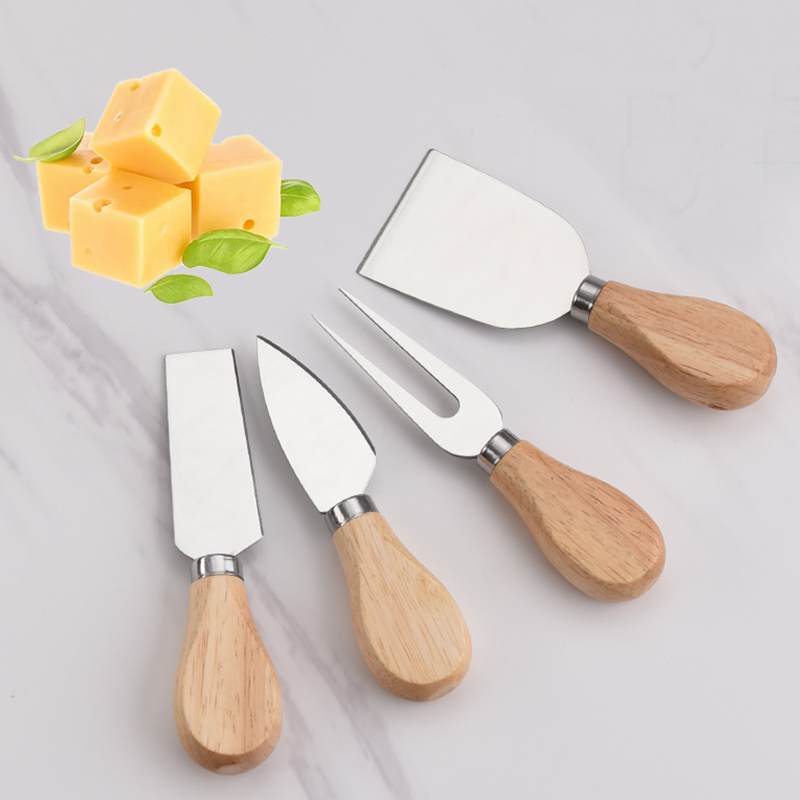
A soft cheese knife is designed specifically for cutting and serving soft cheeses like Brie, Camembert, and goat cheese. These knives typically feature a thin, flexible blade that allows for smooth slicing without crushing the cheese. The unique design often includes holes or cutouts along the blade.
The design of a soft cheese knife is not just for aesthetics; it plays a crucial role in its functionality. The holes in the blade are strategically placed to reduce friction and prevent the cheese from sticking. This design allows for cleaner cuts and a more enjoyable serving experience.
One of the primary purposes of the holes in a soft cheese knife is to reduce adhesion. When cutting soft cheeses, the creamy texture can cause the cheese to stick to the blade. The holes create air pockets that break the suction between the cheese and the knife, allowing the cheese to release more easily.
The holes in the blade also enhance cutting efficiency. By minimizing the surface area that comes into contact with the cheese, the knife can glide through the cheese more smoothly. This results in cleaner slices and less tearing, which is especially important for presentation when serving cheese.
The design of a soft cheese knife, including the holes, contributes to better control and balance. The reduced weight from the cutouts allows for easier maneuverability, making it simpler to achieve precise cuts. This is particularly beneficial when working with delicate cheeses that require a gentle touch.
When using a soft cheese knife, consider the following techniques for optimal results:
- Gentle Pressure: Apply gentle pressure when slicing through the cheese to avoid squishing it.
- Sawing Motion: Use a back-and-forth sawing motion to help the knife glide through the cheese without tearing it.
- Room Temperature: Allow soft cheeses to come to room temperature before cutting, as this makes them easier to slice.
- Cheese Board: Arrange soft cheeses on a wooden or slate cheese board, accompanied by crackers, fruits, and nuts for a beautiful presentation.
- Pairing with Wine: Soft cheeses pair well with white wines, such as Chardonnay or Sauvignon Blanc, enhancing the overall tasting experience.
To ensure your soft cheese knife lasts for years, follow these care tips:
- Hand Wash: Always hand wash your cheese knives with mild soap and water. Avoid using a dishwasher, as the heat can damage the blades.
- Dry Immediately: After washing, dry the knives immediately to prevent rusting.
- Store Properly: Store knives in a designated drawer or knife block to protect the blades.
The holes in a soft cheese knife serve essential purposes that enhance the cutting and serving experience. By reducing adhesion, improving cutting efficiency, and providing better control, these design features make soft cheese knives indispensable tools for cheese lovers. Understanding the purpose of these holes can help you appreciate the craftsmanship behind these specialized knives and elevate your cheese tasting experience.
1. Why do soft cheese knives have holes?
- The holes reduce friction and prevent the cheese from sticking to the blade, allowing for cleaner cuts.
2. What types of cheese are best suited for a soft cheese knife?
- Soft cheeses like Brie, Camembert, and goat cheese are ideal for use with a soft cheese knife.
3. Can I use a regular knife for cutting soft cheeses?
- While you can use a regular knife, a soft cheese knife is specifically designed to handle the delicate texture of soft cheeses more effectively.
4. How do I clean my soft cheese knife?
- Hand wash your knife with mild soap and water, and dry it immediately to maintain its quality.
5. What is the best way to serve soft cheeses?
- Arrange soft cheeses on a cheese board with accompaniments like crackers, fruits, and nuts, and pair them with suitable wines for an enhanced experience.


