

Views: 290 Author: Site Editor Publish Time: 2026-03-02 Origin: Site


Content Menu
● Understanding Salad Server Functions
● Stainless Steel: Durability and Elegance
>> Everyday Performance and Cleaning
● Wood: Warmth and Gentle Handling
>> Types of Wood and Their Traits
● Bamboo: Eco-Friendly Lightweight Option
>> Sustainability and Practicality
● Plastic and Resin: Affordable Versatility
>> Easy Upkeep
● Hybrid and Specialty Materials
>> Niche Uses
● Factors Influencing Material Choice
● Performance Across Salad Types
>> Which material resists stains best?
>> Are wooden servers hygienic?
>> Can bamboo go in the dishwasher?
>> How does weight affect serving?
>> What about mixed materials for versatility?
A salad server set elevates simple greens into a shared dining experience, and the material choice determines its longevity, feel, and table presence. Selecting the right one balances practicality, aesthetics, and care needs for your lifestyle. This guide explores every major material option in depth to help you decide what works best.
Salad servers typically consist of a spoon and fork designed to toss, mix, and portion ingredients without bruising delicate leaves or spilling dressings. The spoon scoops from below while the fork secures from above, creating a seamless motion for even servings. Material influences how smoothly this process feels, from grip security to resistance against stains or heat.
Every material interacts uniquely with food textures. Heavier options provide control for large bowls, while lighter ones suit quick family servings. Considering your most common salads—leafy, grain-based, or fruit-heavy—guides the best pick.
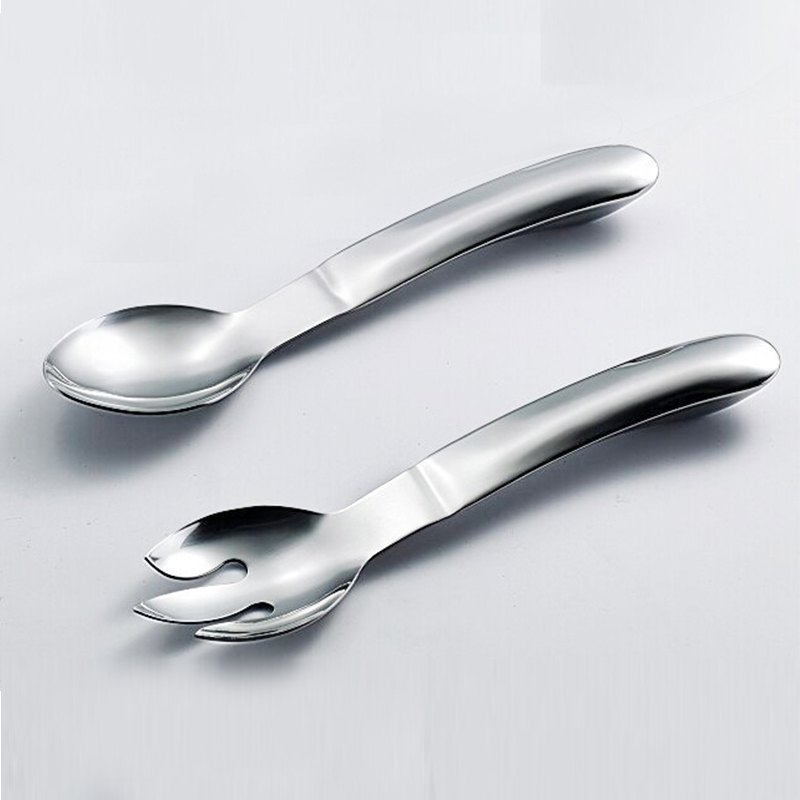
Stainless steel stands out for its unmatched strength and resistance to rust, making it ideal for frequent use in busy kitchens. Crafted from alloys like 18/8 or 18/10, these servers maintain sharpness in edges and resist bending under pressure from hearty ingredients. Their polished or brushed finishes add a modern gleam that complements any tableware, from casual ceramics to fine china.
The weight of stainless steel gives a premium feel, signaling quality to guests. It handles acidic dressings like vinaigrette without pitting or discoloring, unlike some natural materials. For households serving salads daily, this material ensures the set remains a reliable staple without frequent replacements.
Steel servers come in mirror-polished shines for formal dinners or matte finishes that hide fingerprints during casual meals. Ergonomic handles often feature subtle contours or soft-grip inserts for comfort. Some designs include weighted bases for stability when resting in bowls.
Hybrid steel sets pair metal heads with resin or wood accents, blending durability with warmth. These resist wear while offering visual variety, perfect for mixed table settings.
Stainless steel shines in versatility, scooping pasta salads, fruit mixes, or roasted veggies effortlessly. Its non-porous surface prevents flavor absorption, keeping each use fresh. Most sets are dishwasher-safe, simplifying cleanup after parties—simply rinse residues and load them in.
Hand washing with mild soap preserves the finish longer, especially for engraved or detailed designs. Avoid harsh abrasives to prevent micro-scratches that dull over time.
Wooden salad servers bring an organic warmth that stainless steel cannot match, ideal for rustic or farmhouse tables. Hardwoods like acacia, teak, or walnut offer natural grain patterns that make each set unique, turning a functional tool into a subtle decor piece. Their lighter weight reduces hand fatigue during tossing.
Wood gently cradles delicate greens like arugula or spinach, minimizing bruising compared to harder metals. The slightly textured surface grips oily dressings better, ensuring even coating without slipping.
Acacia wood provides density and water resistance, popular for its golden tones and durability. Teak withstands moisture better due to natural oils, suiting humid climates or frequent outdoor use. Walnut adds dark elegance with fine grains, appealing for upscale gatherings.
Softer woods like bamboo mimic wood's charm at a lighter scale, though true hardwoods endure heavier use. Select kiln-dried pieces to avoid warping from initial exposure to moisture.
Wood requires hand washing with warm soapy water and immediate drying to prevent swelling. Apply food-grade mineral oil monthly to nourish the surface, repelling stains from beets or turmeric dressings. Store in a dry drawer or hung via loop holes.
Proper care keeps wood looking fresh for decades, developing a patina that enhances character. Avoid dishwashers or soaking, as heat cycles accelerate cracking.
Bamboo grows rapidly without pesticides, making it a top eco-choice for conscious cooks. Its natural antibacterial properties reduce bacterial growth, safer for repeated food contact than some plastics. Lightweight yet sturdy, bamboo servers lift large portions without strain.
The smooth, rounded edges prevent scratching glass or ceramic bowls, unlike sharper metal alternatives. Bamboo's neutral tone fits modern minimalist or outdoor picnic aesthetics seamlessly.
Moso bamboo varieties offer high tensile strength comparable to hardwoods, handling grain salads or pasta without splintering. Its flexibility absorbs minor impacts, extending lifespan.
Use for fruit platters or warm potato salads, as it stays cooler to the touch than metal. Colorfast finishes resist fading from sunlight exposure during patio meals.
Hand wash and air dry upright; occasional oiling maintains vibrancy. Bamboo tolerates brief dishwasher cycles better than wood but prefers gentle treatment. Keep away from prolonged moisture to avoid mold.
Plastic or resin servers provide entry-level pricing without sacrificing basic function, perfect for beginners or kids' use. Colorful options add playfulness to family tables, while clear resins mimic glass elegance.
Lightweight construction suits one-handed tossing, ideal for solo servings. BPA-free models ensure safety with all foods.
High-grade resins withstand bending and cracking better than cheap plastics, suitable for travel or camping. Textured grips enhance slip resistance with wet hands.
They excel with sticky ingredients like potato salad but may stain from strong pigments—opt for opaque finishes.
Fully dishwasher-safe, plastics clean effortlessly. Discard if deep scratches harbor bacteria, but quality sets last years.
Hybrids merge steel heads with wood handles for balanced performance—metal durability meets organic grip. Silicone-coated options gently handle non-stick bowls.
Ceramic-infused resins offer heat resistance for warm salads, while gold-accented steel suits luxury settings.
Titanium-coated steel resists scratches for heavy daily use. Leather-wrapped handles add sophistication for artisanal appeal.
Match materials to your aesthetic: steel for sleek modern, wood for cozy traditional. Consider bowl compatibility—wood avoids metal clinks.
Daily servers favor steel's resilience; occasional ones allow wood's charm. Budget impacts initial cost versus replacement needs.
Allergy-free plastics suit sensitive households; hefty steel impresses entertainers.
Leafy salads thrive with wood's gentleness; grain bowls need steel's scoop power. Fruit mixes benefit from plastic's lightness.
Invest in mid-range steel or acacia for 10+ years of service. Cheaper plastics refresh easily, woods age gracefully with care.
Stainless steel tops stain resistance due to its non-porous nature, easily wiped clean from colorful dressings. Bamboo follows closely with natural oils, while wood needs oiling to repel pigments.
Yes, when hand washed and oiled regularly; their natural antibacterials help. Avoid soaking to prevent bacterial traps in grains.
Brief top-rack cycles work for most, but hand washing preserves shape and color longer. Check manufacturer guidelines.
Heavier steel offers control for large gatherings; lighter bamboo or plastic reduces fatigue for everyday use.
Hybrids provide the best of multiple worlds, combining steel strength with wood comfort—ideal for varied menus.


