

Views: 280 Author: Site Editor Publish Time: 2026-04-09 Origin: Site


Content Menu
● Understanding How a Dishwasher Works
>> High-Pressure Jets and Heat
● Why Mixing Knives and Silverware Is a Risk
>> Edge Damage
● The Chemistry of Dishwasher Damage
● What "Dishwasher-Safe" Really Means
● Proper Loading Techniques to Prevent Damage
>> Arrange Utensils Strategically
● The Difference Between Knife Types
● The Role of Silverware Composition
>> Nickel or Decorative Metals
● Expert Insights: Knife Makers' Recommendations
● Safe Alternatives: Cleaning Knives Efficiently by Hand
● Pro Tips for Maintaining Sharpness
● Environmental and Practical Considerations
● Frequently Asked Questions (FAQ)
Dishwashers have revolutionized home kitchens, making cleanup quick and effortless. But as convenient as they are, not all utensils are created equal—especially when it comes to knives. Many wonder, *"Can I mix dishwasher-safe knives with regular silverware?"* While it might seem harmless, combining them can actually cause long-term damage to your blades and utensils. This comprehensive guide explains why, how to load them properly, and what makes certain knives truly dishwasher-safe.
Modern dishwashers hold a wide range of items—from delicate glassware to durable stainless cutlery. Yet, few people stop to consider how those utensils interact inside during a wash cycle. High heat, pressure, and motion can turn your dishwasher into a chaotic environment for finely honed knife edges.
Mixing dishwasher-safe knives with other silverware affects both safety and performance. Understanding the science behind that interaction prevents dull blades, scratches, and potential accidents.
Before deciding where your knives go, it helps to know what happens inside during a typical wash cycle.
Dishwashers clean through forceful streams of hot water—sometimes above 60°C—and powerful detergents. The result is efficient cleaning but harsh contact against metals.
As the machine vibrates and water circulates, utensils shift inside their compartments. Even when neatly arranged, items frequently bump into each other, especially smaller ones. This constant motion can dull sharp edges or leave unsightly scratches.
When a sharp knife collides with forks or spoons, friction chips or rounds off the knife's edge. Serrations may stay intact, but microdamage builds up, diminishing sharpness.
Different metals have varying reactions to water and detergents. When certain alloys touch during hot washing cycles, electrochemical reactions occur, accelerating rust or tarnish on the less-resistant item—often your knife or silverware.
Mixing knives with everyday utensils increases your chance of cuts when unloading or organizing flatware trays. Sharp edges facing upward or tangled among spoons can cause injuries easily.
Even if your knife is labeled "dishwasher-safe," chemistry still plays a crucial role in how it reacts to long-term washing.
Dishwashing detergents contain alkaline cleaning agents that break down grease and grime. These chemicals can wear away protective coatings and polish, leading to dullness or discoloration.
Silver-plated, stainless-steel, and carbon-steel pieces all respond differently to detergent. When these metals mix and touch under heat, tiny electrical currents form—a phenomenon called galvanic corrosion—causing one surface to stain or pit.
Labels like "dishwasher-safe" provide peace of mind, but it's worth knowing what that truly guarantees.
"Dishwasher-safe" indicates the material can withstand multiple cycles without immediate damage—but not necessarily that it's immune to dulling or discoloration. Over months of use, heat and chemicals still cause subtle wear.
Brands test their products under controlled conditions—specific water hardness, detergent brands, and limited heat exposure. However, your household dishwasher may differ, making results unpredictable.
- Place knives with blades facing downward in separate compartments whenever possible.
- Group forks and spoons together but keep knives isolated from them.
- Use built-in knife racks or place knives horizontally on top racks if your dishwasher design allows.
When items overlap, water flow decreases and collisions increase. Leave space between knives to ensure even cleaning and less contact.
Select eco or delicate cycles without heated drying. Extreme heat leads to expansion stress, fading, and handle damage.
Not all knives fare equally well in dishwashers. Some can handle frequent washes, while others should never touch machine-cleaned environments.
High-chromium alloys resist corrosion but can lose sharpness over multiple dishwasher cycles due to contact abrasion.
Incredibly sharp yet prone to rust, high carbon knives suffer easily from moisture exposure and should always be hand washed.
Virtually rustproof but brittle; their hardness means they chip if bumped against metal utensils during a wash.
Wood and hot water don't mix. Over time, wooden handles swell, crack, or lose their finish.
Silverware also plays its part in dishwasher reactions. Understanding your fork and spoon materials can reduce risk when washing knives nearby.
Most durable and least reactive. However, cheaper stainless grades can still pit or rust, transferring mild stains onto other items.
Never mix silver-plated utensils with knives. They tarnish quickly and may transfer silver residue onto steel blades.
Avoid washing decorative or painted items with knives; friction can rub off coatings.
Professional cutlery brands—whether European, American, or Japanese—rarely encourage putting premium knives in the dishwasher, even if marketed as safe.
These brands recommend gentle handwashing to maintain precision edges. Their dishwasher-safe models are crafted for convenience but still benefit from minimal machine use.
Offer specially treated blades resistant to discoloration, yet acknowledge that dishwashers eventually dull edges quicker than washing by hand.
If you decide against mixing, you can still clean your knives quickly and safely without sacrificing time.
1. Rinse immediately after use to remove acids and residue.
2. Use warm water and mild soap with a soft sponge.
3. Wipe lengthwise, not across the blade, to avoid accidents.
4. Dry immediately with a soft towel to prevent spotting.
Even dishwasher-safe knives benefit from occasional attention.
- Hone regularly: Keep edges aligned for smoother cuts.
- Avoid dulling surfaces: Never cut on metal, granite, or glass plates.
- Store smartly: Use magnetic strips or knife blocks rather than drawers filled with silverware.
- Oil occasionally: Food-grade oil maintains sheen and prevents corrosion.
Dishwashers save water compared to handwashing—but only if used wisely. If you must combine knives and cutlery, consider eco cycles or pre-rinsing knives to shorten wash time.
Using milder detergents and skipping the heated drying cycle extends the lifespan of both knives and silverware.
- Tossing knives carelessly into utensil baskets.
- Using industrial-strength detergents unnecessarily.
- Washing expensive or carbon-steel knives with regular silverware.
- Forgetting to dry utensils immediately after the cycle.
Small changes in handling habits dramatically enhance durability.
1. Can dishwasher-safe knives really be placed next to silverware if handled carefully?
Yes, but place them separately in utensil trays or racks to prevent collision and chemical reaction.
2. Why do my knives still rust after dishwasher use?
Residual moisture, detergent quality, and water hardness levels can cause rusting. Immediate drying helps prevent it.
3. Are there special dishwasher racks designed for knives?
Yes, some modern dishwashers include magnetic or slot-style racks specifically for knives.
4. Do serrated knives handle dishwashers better?
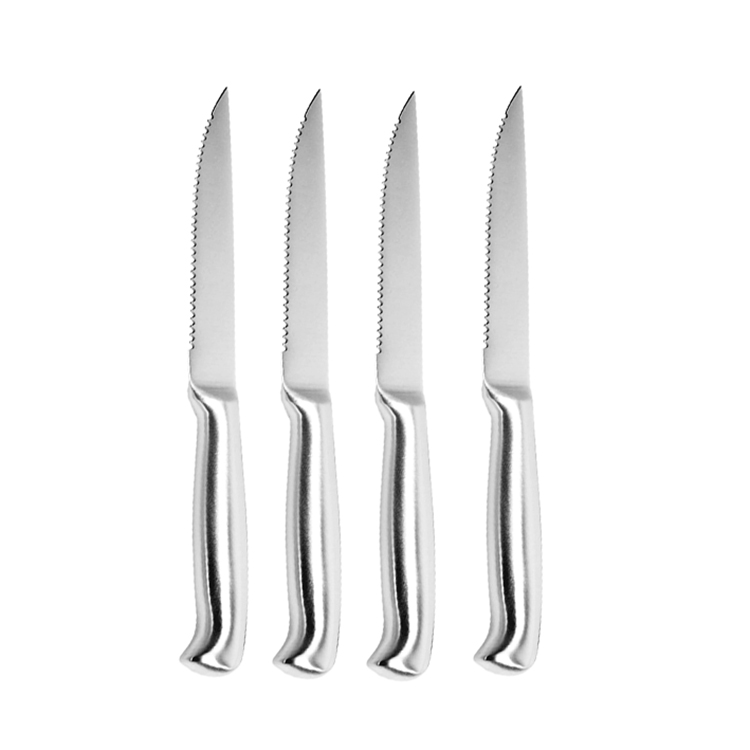
Serrations resist visible dulling longer but are still prone to microchip damage if they bump into other utensils.
5. Should I ever put silver-plated spoons near stainless-steel knives?
No, mixing these metals fosters galvanic corrosion that stains both items and reduces lifespan.


