

Views: 290 Author: Site Editor Publish Time: 2025-12-05 Origin: Site


Content Menu
● Understanding Cheese Cutters
● Can You Put Cheese Cutters in the Dishwasher?
● How to Clean Your Cheese Cutter by Hand
>> Step 1: Gather Your Supplies
>> Step 2: Disassemble the Cutter
>> Step 6: Reassemble the Cutter
● Tips for Maintaining Your Cheese Cutter
>> Clean Immediately After Use
● Common Questions About Cheese Cutters
>> 1. Can I put my cheese cutter in the dishwasher?
>> 2. How do I clean a cheese cutter that is not dishwasher safe?
>> 3. What should I do if cheese gets stuck in the wire?
>> 4. Is it safe to use bleach to clean my cheese cutter?
>> 5. How can I sanitize my cheese cutter?
Cheese cutters are essential tools for anyone who enjoys cheese, whether for cooking, entertaining, or simply snacking. However, maintaining these tools is crucial for their longevity and performance. One common question that arises is whether cheese cutters can be safely cleaned in the dishwasher. In this article, we will explore the best practices for cleaning cheese cutters, the pros and cons of using a dishwasher, and tips for maintaining your cheese cutter.
A cheese cutter is a specialized tool designed to slice cheese into uniform pieces. They come in various forms, including wire cutters, knives, and electric slicers. Each type has its unique features and is suited for different types of cheese.
1. Wire Cheese Cutters: These consist of a thin wire stretched between two handles, ideal for soft and semi-soft cheeses.
2. Cheese Knives: These knives come in various shapes and sizes, designed for different cheese types.
3. Electric Cheese Cutters: These are convenient for quickly slicing large blocks of cheese.
The answer to whether you can put your cheese cutter in the dishwasher depends on several factors, including the material of the cutter and the manufacturer's recommendations. Here are some general guidelines:
- Check the Manufacturer's Instructions: Always refer to the manufacturer's guidelines regarding dishwasher safety. Some cheese cutters are specifically labeled as dishwasher safe, while others are not.
- Material Matters: Stainless steel cheese cutters are often dishwasher safe, while wooden or plastic components may warp or degrade in the dishwasher.
- Avoid High Heat: If your cheese cutter is not dishwasher safe, the high heat of the drying cycle can damage it. It's best to wash by hand in these cases.
1. Convenience: Using a dishwasher can save time and effort, especially after a large cheese platter or cooking session.
2. Thorough Cleaning: Dishwashers can provide a thorough clean, reaching areas that might be difficult to scrub by hand.
1. Potential Damage: High heat and harsh detergents can damage certain materials, especially plastics and wood.
2. Loss of Sharpness: For cheese knives, the dishwasher can dull the blades over time, affecting their performance.
If your cheese cutter is not dishwasher safe, or if you prefer to hand wash it, follow these steps for effective cleaning:
- Warm water
- Mild dish soap
- A soft sponge or cloth
- A small brush (for hard-to-reach areas)
- A towel for drying
If your cheese cutter has removable parts, disassemble it according to the manufacturer's instructions. This step is crucial for thorough cleaning.
1. Soak in Warm Soapy Water: Fill a basin with warm water and add a few drops of mild dish soap. Soak the removable parts for a few minutes to loosen any cheese residue.
2. Scrub Gently: Use a soft sponge or cloth to scrub the parts, paying special attention to any areas with stuck cheese. For wire cutters, be careful not to damage the wire.
After scrubbing, rinse all parts under warm running water to remove any soap residue. Ensure that no soap remains, as it can affect the taste of the cheese.
Use a clean towel to dry all parts thoroughly. If your cheese cutter is made of metal, ensure it is completely dry to prevent rusting.
Once all parts are dry, reassemble your cheese cutter according to the manufacturer's instructions. Ensure everything is securely in place before using it again.
The longer you wait to clean your cheese cutter, the harder it will be to remove any residue. Clean it immediately after use to make the process easier.
When cleaning your cheese cutter, avoid using harsh chemicals or abrasive cleaners, as these can damage the surface and affect the taste of the cheese.
Store your cheese cutter in a dry place, away from moisture. If it has removable parts, consider storing them separately to prevent damage.
Regularly check your cheese cutter for any signs of wear or damage. Replace any worn parts as needed to ensure optimal performance.
It depends on the material and manufacturer's instructions. Always check if your cheese cutter is labeled as dishwasher safe.
Hand wash it with warm soapy water, scrub gently, rinse thoroughly, and dry completely.
Use a small brush or a toothpick to gently dislodge any stuck cheese. Avoid using sharp objects that could damage the wire.
No, bleach can leave harmful residues and affect the taste of the cheese. Stick to mild dish soap and warm water for cleaning.
After cleaning, you can sanitize your cheese cutter by soaking it in a solution of water and vinegar or using a food-safe sanitizer.
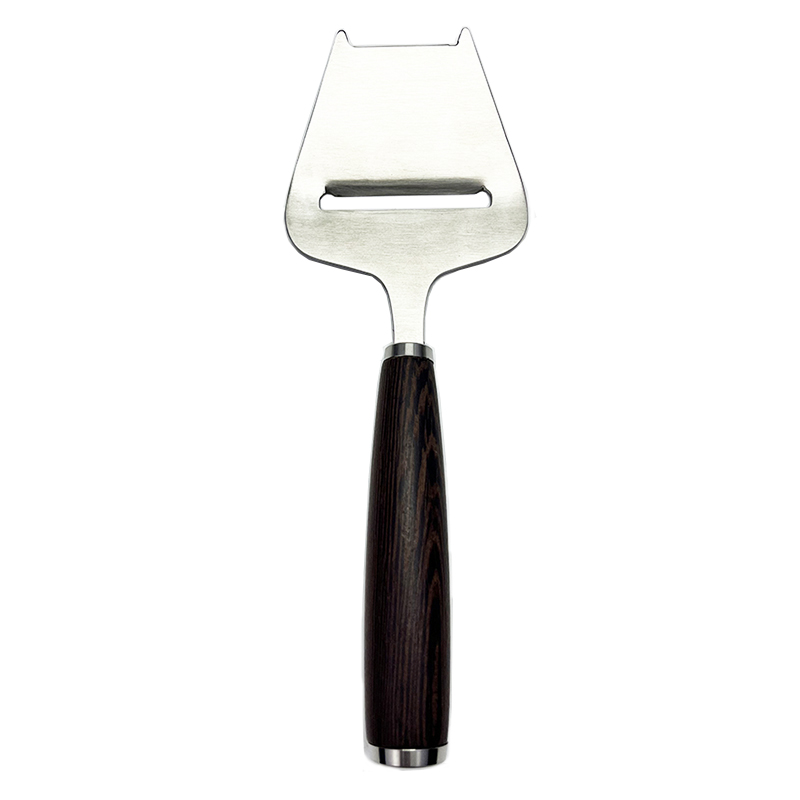
Cleaning your cheese cutter is essential for maintaining hygiene, performance, and longevity. By following the steps outlined in this guide, you can ensure that your cheese cutter remains in excellent condition, ready to provide you with perfectly sliced cheese every time. Remember to clean it immediately after use, avoid harsh chemicals, and store it properly for the best results.


