

Views: 290 Author: Site Editor Publish Time: 2025-10-15 Origin: Site


Content Menu
● Why Proper Cheese Knife Storage Matters
>> H2: Preserve the Blade's Sharpness
>> H2: Prevent Cross-Contamination and Maintain Hygiene
● Storing Cheese Knives With Other Kitchen Knives: Pros and Cons
● Best Practices for Storing Cheese Knives With Other Knives
>> H2: Use Protective Sheaths or Blade Guards
>> H2: Employ Drawer Organizers or Dividers
>> H2: Consider Knife Blocks With Individual Slots
● Specialized Storage Solutions for Cheese Knives
>> H2: Dedicated Cheese Knife Storage Sets
>> H2: Travel and Portable Storage
● Cleaning and Maintenance Before Storage
● Safety Tips for Storing Knives
>> H2: Keep Knives Out of Reach of Children
>> H2: Avoid Tossing Knives Loosely in Drawers
>> H2: 1. Can storing cheese knives with heavier knives cause damage?
>> H2: 2. Are magnetic knife strips safe for cheese knives?
>> H2: 3. How often should I sharpen my cheese knives?
>> H2: 4. What is the best way to protect cheese knife blades in storage?
>> H2: 5. Can dishwasher use affect how I should store cheese knives?
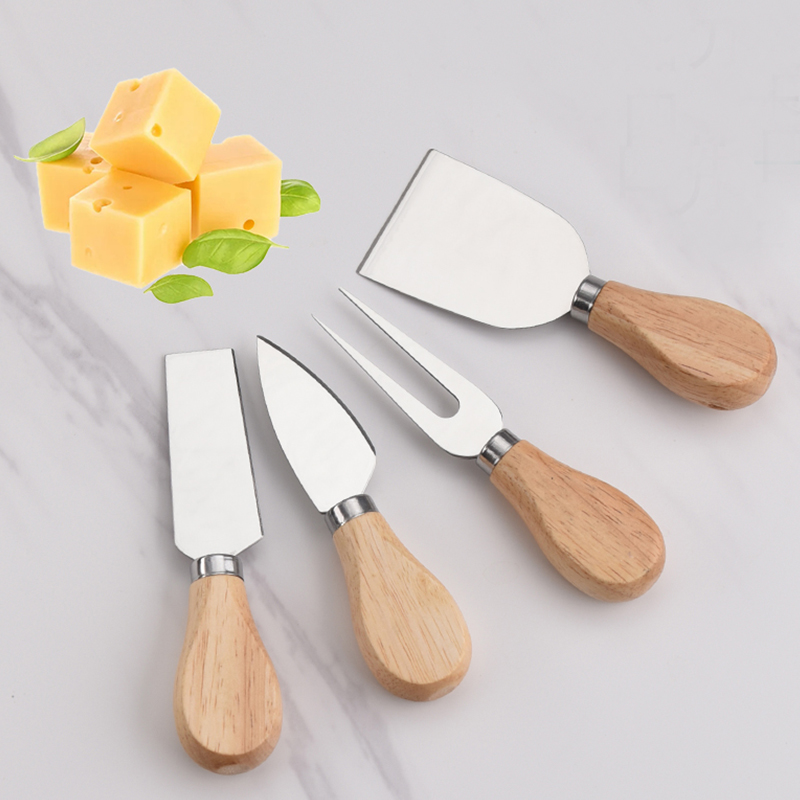
Storing cheese knives properly is crucial to preserve their sharpness, maintain hygiene, and ensure safety in your kitchen. Many home cooks wonder if it's safe or advisable to store cheese knives alongside their other kitchen knives. This comprehensive article answers that question and offers practical advice on organizing and caring for your cheese knives to keep them in optimal condition.
Cheese knives often have delicate blades designed specifically for cutting different textures of cheese, from soft Brie to hard Parmesan. Storing them improperly, especially with other knives, can cause blade damage or dulling due to collisions.
Separating cheese knives from other kitchen knives used on raw meats or vegetables can reduce the risk of cross-contamination, protecting the flavor and safety of your cheese.
Proper storage prevents accidental cuts when reaching into drawers or cabinets, especially if blades are exposed or jostled with other utensils.
- Blade Damage: Collisions with heavier or sharper knives can nick or bend cheese knife blades.
- Dulling: Frequent contact can dull edges, requiring more frequent sharpening.
- Safety Hazards: Loose knives in drawers increase the risk of cuts.
- Space Efficiency: Storing all knives together saves space, especially in smaller kitchens.
- Convenience: Quickly access all your cutting tools in one place.
Covering blades with sheaths or plastic/silicone guards can protect edges and fingers even when knives are stored together.
Organizers create separate compartments to keep cheese knives apart from heavier chef or utility knives.
Knife blocks designed for various blade sizes prevent direct blade contact and keep knives securely separated.
Mounting knives on a magnetic strip keeps blades apart, visible, and accessible. It's important to mount strips high enough to be out of children's reach and prevent accidents.
Some manufacturers offer exclusively designed cases or boxes for cheese knives, providing perfect compartments to maintain blade integrity.
For those transporting knives for picnics or events, padded knife rolls or cases with slots keep cheese knives safe from damage.
Before storing any knife, especially cheese knives, wash with warm soapy water and dry thoroughly to prevent rust or bacterial growth.
Keeping knives sharp not only improves cutting performance but also reduces accidents caused by slipping dull blades.
Store knives in locations inaccessible to children, such as high cabinets or locked drawers.
Loose knives increase damage risk and safety hazards. Use organizers, blocks, or sheaths.
Yes, heavier knives may chip or dull the more delicate cheese knife blades if they collide in storage.
Yes, magnetic strips safely keep knives separated if mounted securely and out of children's reach.
Sharpen as soon as you notice difficulty cutting cheese smoothly, typically a few times per year depending on use.
Use plastic or silicone blade covers, dedicated slots in a knife block, or drawer dividers.
Dishwasher detergents and heat can dull blades or damage handles. Handwashing before storage is best.
[1](https://www.helloknife.com/how-do-i-store-my-cheese-knife-set-and-board.html)
[2](https://www.reddit.com/r/Cooking/comments/1kgfcd3/home_cooks_of_reddit_how_do_you_store_your/)
[3](https://en.tyrolitlife.com/guide/knife-guide/cheese-knife-all-information/)
[4](https://www.helloknife.com/what-is-the-best-way-to-store-stainless-steel-cheese-knives.html)
[5](https://www.webstaurantstore.com/article/51/knife-safety-tips.html)
[6](https://www.coolinastore.com/blogs/news/how-to-use-kitchen-knives-safely)
[7](https://districtcutlery.com/blogs/news/knife-safety-safe-holding-and-storage-practices-explored)
[8](https://forest-decor.com/blog/cheese-knife-set-101-the-essential-guide-for-every-cheese-lover/)
[9](https://www.walmart.com/ip/Blade-Guard-Knife-Blade-Cover-Non-Slip-Dishwasher-Safe-Sheath-4PK-set-4in-6in-8in-10in-Clear/757165101)


