

Views: 290 Author: Site Editor Publish Time: 2025-11-24 Origin: Site


Content Menu
● Understanding the Carving Knife
>> Key Features of a Carving Knife
● Can You Use a Carving Knife for Other Foods?
>>> Tips for Slicing Vegetables
>>> Techniques for Carving Fruits
>>> Best Practices for Slicing Bread
>> 4. Preparing Large Cuts of Fish
>> 5. Carving Decorative Items
● Care and Maintenance of Your Carving Knife
● Videos on Carving Techniques
>> 1. Can I use a carving knife for cutting cheese?
>> 2. Is a carving knife suitable for cutting cake?
>> 3. What types of meat are best suited for carving with a carving knife?
>> 4. How do I know when to sharpen my carving knife?
>> 5. Can I use a carving knife for cutting herbs?
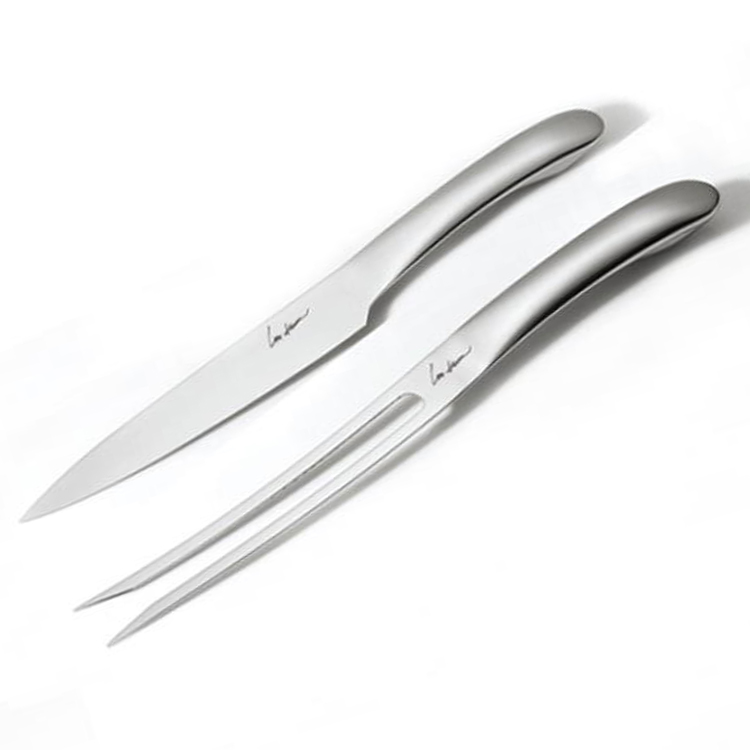
A carving knife is a long, thin knife designed specifically for slicing cooked meats. Its blade typically ranges from 8 to 14 inches in length, allowing for smooth, even cuts. The design of a carving knife enables it to glide through meat with minimal effort, preserving the juices and ensuring clean slices.
- Blade Length: Longer blades provide better reach for larger cuts of meat.
- Blade Shape: A narrow, tapered blade allows for precision cutting.
- Handle Design: Ergonomic handles enhance grip and control during use.
Carving knives can be effectively used for slicing large, firm vegetables such as squash, pumpkins, and cabbage. The long blade allows for smooth, even cuts, making it easier to prepare vegetables for roasting or salads.
- Stabilize the Vegetable: Cut a small slice off the bottom of round vegetables to create a flat surface for stability.
- Use a Steady Hand: Maintain a firm grip on the knife and the vegetable to ensure even slices.
Fruits like melons, pineapples, and large apples can also be sliced using a carving knife. The sharp blade makes it easy to create decorative slices or to prepare fruit salads.
- Create Decorative Cuts: Use the knife to carve intricate designs on the surface of the fruit for a beautiful presentation.
- Cut Even Slices: The long blade allows for consistent thickness when slicing.
While not its primary purpose, a carving knife can be used to slice bread, especially larger loaves. The long blade can cut through crusty bread without crushing it.
- Use a Gentle Sawing Motion: Avoid pressing down too hard to prevent squishing the bread.
- Let the Knife Do the Work: Allow the sharp blade to glide through the bread with minimal force.
Carving knives can also be used for slicing large fish fillets. The long, flexible blade allows for precise cuts, making it easier to portion fish for cooking.
- Ensure Freshness: Use a sharp knife on fresh fish for the best results.
- Cut Against the Grain: This technique helps maintain the texture of the fish.
Carving knives can also be used for artistic purposes, such as creating decorative food items for events. This includes intricate designs on fruits and vegetables for garnishes.
- Fruit Bouquets: Use carving knives to create beautiful arrangements of fruits.
- Vegetable Sculptures: Carve vegetables into fun shapes for parties or special occasions.
To ensure your carving knife remains in top condition for all its uses, follow these care tips:
Always hand wash your carving knife with mild soap and warm water. Avoid using a dishwasher, as it can dull the blade.
Keep the blade sharp for optimal performance. Use a honing steel or a whetstone regularly to maintain the edge.
Store your carving knife in a protective case or a knife block to prevent damage and ensure safety.
To further enhance your skills, here are some helpful videos demonstrating various carving techniques:
- How to Carve a Turkey: This video provides step-by-step instructions on carving a turkey for Thanksgiving.
- Carving Decorative Fruits: Learn how to create beautiful fruit designs for your next gathering.
Yes, a carving knife can be used for slicing hard cheeses, but a dedicated cheese knife may provide better results for softer cheeses.
While a carving knife can slice through cake, a serrated knife is typically better for achieving clean cuts without crumbling.
Carving knives excel at slicing cooked poultry, roasts, and large cuts of meat like ham and prime rib.
If the knife struggles to slice through food or requires excessive force, it's time to sharpen it.
While it's possible, a chef's knife is generally more suitable for chopping herbs due to its versatility and design.
A carving knife is a versatile tool that can be used for much more than just slicing meat. From vegetables and fruits to bread and fish, its design allows for precision and ease in various culinary tasks. By understanding its capabilities and following proper care techniques, you can maximize the utility of your carving knife in the kitchen.


