

Views: 290 Author: Site Editor Publish Time: 2026-01-27 Origin: Site


Content Menu
● Understanding Serrated Knives
>> The Anatomy of a Serrated Knife
● Uses of Serrated Knives Beyond Bread
>>> Tomatoes
>>> Citrus Fruits
>>> Eggplant
>>> Squash
>>> Roasted Chicken
>>> Steaks
>> 4. Slicing Pastries and Cakes
>>> Layered Cakes
>>> Tarts
>> 5. Outdoor and Camping Uses
● Tips for Using a Serrated Knife
>> Maintenance
>> 1. Can I use a serrated knife for cutting cheese?
>> 2. Are serrated knives better for cutting tomatoes than straight knives?
>> 3. How do I clean my serrated knife?
>> 4. Can I use a serrated knife for cutting bread?
>> 5. How often should I sharpen my serrated knife?
Serrated knives are often associated with slicing bread, but their versatility extends far beyond that. This article explores the various uses of serrated knives, demonstrating how they can be effective tools for cutting a wide range of foods. From fruits and vegetables to meats and pastries, serrated knives can handle it all.
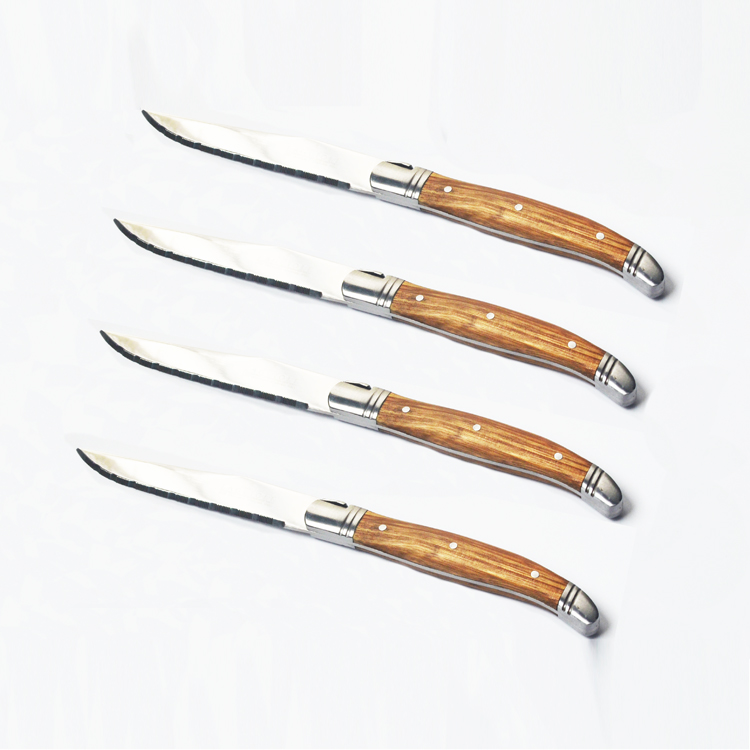
A serrated knife features a blade with a series of small, jagged edges, resembling a saw. This design allows the knife to grip and cut through tougher surfaces without crushing the softer insides. While commonly used for bread, serrated knives are also effective for various other foods.
- Blade: The serrated edge is designed to cut through tough exteriors while preserving the integrity of the softer interior.
- Handle: A comfortable grip is essential for effective cutting, especially when dealing with tougher foods.
Serrated knives excel at slicing through fruits with tough skins or delicate interiors. Here are some examples:
Tomatoes are notorious for being difficult to cut cleanly. A serrated knife easily pierces the skin without compressing the flesh, resulting in clean slices.
Citrus fruits like oranges and lemons have thick skins that can be challenging to cut. A serrated knife can slice through the skin while keeping the juice intact.
Serrated knives are also useful for cutting through various vegetables, especially those with tough exteriors.
The serrated edge can easily slice through the tough skin of eggplants, making it easier to prepare them for cooking.
Thick-skinned vegetables like squash can be challenging to cut with a straight knife. A serrated knife provides the leverage needed to slice through the skin without slipping.
While serrated knives are not typically used for carving meats, they can be effective for slicing cooked meats, especially those with a crusty exterior.
A serrated knife can slice through the skin of roasted chicken without tearing the meat, making it a great tool for serving.
For well-done steaks, a serrated knife can help cut through the meat without shredding it, preserving the juices.
Serrated knives are ideal for cutting through delicate pastries and cakes without crushing them.
When preparing layered cakes, a serrated knife can create clean, even slices, ensuring that each layer remains intact.
The jagged edge of a serrated knife allows for precise cuts through tarts, making it easier to serve without damaging the crust.
Serrated knives are also handy for outdoor activities, such as picnics and camping trips. They can easily slice through bread, fruits, and even tough cured meats.
1. Use a Gentle Sawing Motion: Instead of pressing down hard, use a gentle sawing motion to cut through the food.
2. Cut Against the Grain: For meats, always cut against the grain to ensure tender slices.
- Cleaning: Hand wash your serrated knife with warm, soapy water to maintain its sharpness.
- Sharpening: While serrated knives do not require frequent sharpening, they can be sharpened using a specialized serrated knife sharpener.
Serrated knives are versatile tools that can be used for a variety of foods beyond just bread. From fruits and vegetables to meats and pastries, they offer unique advantages that make them essential in any kitchen. By understanding their uses and proper maintenance, you can maximize the effectiveness of your serrated knife.
Yes, serrated knives are great for cutting soft cheeses, as they prevent the cheese from sticking to the blade.
Yes, serrated knives are better for tomatoes because they can pierce the skin without crushing the flesh.
Hand wash your serrated knife with warm, soapy water and dry it immediately to prevent rust.
Absolutely! Serrated knives are designed specifically for slicing bread, making them ideal for this task.
Serrated knives do not require frequent sharpening, but you should sharpen them when they start to feel dull.


