

Views: 270 Author: Site Editor Publish Time: 2026-03-17 Origin: Site


Content Menu
● Understanding Table Knives and Their Design
>> Key Features of a Table Knife
● What Makes Spreading Butter Tricky
>> Bread and Toast Sensitivity
● Why Table Knives Struggle with Butter Spreading
>> Weight and Balance Mismatch
● When a Table Knife Works Okay for Spreading
>> Emergency or Minimalist Tables
>> Quick Fixes for Hard Butter
● Better Alternatives to Table Knives for Spreading
>> Butter Knives and Spreaders
● Techniques to Improve Spreading with a Table Knife
>> Troubleshooting Common Problems
● Table Etiquette and Knife Placement
>> Hosting Tips
● Health and Safety Considerations
● Creative Uses Beyond Basic Butter
● Choosing Cutlery for Spreading Tasks
>> Budget Buys
● Maintenance for Long-Lasting Knives
● Cultural Variations in Spreading Tools
● Recipes Highlighting Perfect Spreads
● Myths About Knife Interchangeability
>> Myth: All Knives Spread Equally
>> Myth: Serrations Help Grip Butter
>> Myth: Warming Fixes Everything
Yes, you can use a table knife to spread butter in a pinch, but it is not the ideal tool for the job. Table knives are designed primarily for cutting food, while butter knives or spreaders excel at smooth, even application without tearing bread or toast. This article dives deep into why a table knife falls short for spreading, explores alternatives, techniques, and best practices to make your butter spreading flawless every time.
Table knives, also known as dinner knives, form the backbone of everyday cutlery sets. They feature a longer blade with a sharper or serrated edge meant for slicing through meats, vegetables, and other foods on your plate.
The typical table knife includes a blade around 9 to 10 inches long, often with subtle serrations for grip and a pointed or defined tip. This design provides leverage for cutting tender cooked foods like chicken, fish, or potatoes. The handle offers a balanced grip for repeated sawing motions during meals.
While versatile for general dining, these features make table knives less suited for delicate tasks like spreading. The sharper edge can dig into soft bread, and the length feels unwieldy when trying to control a small pat of butter.
Most table knives come in stainless steel for rust resistance and daily durability. Higher-end versions use silver-plated metal or feature ergonomic handles in resin or wood. Regardless of material, the blade's edge remains optimized for cutting, not gliding.
Spreading butter requires precision to achieve an even layer without mangling the bread underneath. Cold butter straight from the fridge adds extra challenge, as it resists smooth application.
Room-temperature butter spreads easily, but fridge-cold butter demands a tool that can scrape without shredding. A table knife's edge often leaves ridges or tears in bread due to its cutting orientation. Hot toast exacerbates this, as the knife can gouge softened spots unevenly.
Soft breads like brioche or fresh baguettes tear easily under pressure. Even sturdy sourdough can crumble if the knife lacks the flat, dull surface needed for control. Proper spreading preserves texture and presentation.
Using a table knife for butter feels intuitive since it is already on the table, but several design flaws make it suboptimal.
The serrated or sharpened edge grabs butter unevenly, creating furrows instead of a smooth coat. On bread, this leads to patchy coverage or pulled fibers. Dull butter knives avoid this by gliding flatly.
Longer blades tip awkwardly when maneuvering small amounts of butter. You end up with excess on the knife or uneven smears. Shorter spreaders keep everything contained and precise.
Heavier table knives demand a firmer grip, which translates to more pressure on delicate surfaces. Lighter butter tools allow feather-light strokes for perfect thin layers.
In casual settings, a table knife can suffice under certain conditions.
If butter is softened to room temperature, a table knife spreads adequately on crusty bread. Quick swipes minimize damage, though results stay less polished than with a dedicated spreader.
Picnics, rushed breakfasts, or sparse cutlery drawers often rely on table knives. They handle jam or peanut butter better than hard butter due to stickier textures clinging less to serrations.
Briefly warming the knife under hot water softens butter on contact, reducing tearing. This hack works but requires extra steps absent with proper tools.
Dedicated spreaders outperform table knives across the board for butter tasks.
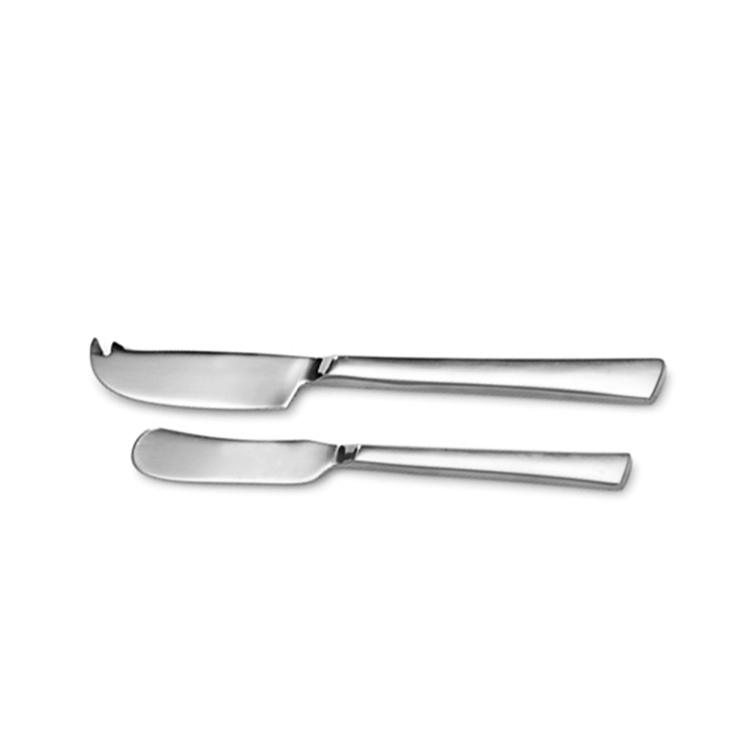
Butter knives boast short, dull blades with rounded tips perfect for scooping and gliding. They rest on bread plates in formal settings, signaling their spreading role.
Wide-blade spreaders excel with thick pats or multiple toppings. Master butter knives serve from communal dishes, while individual ones handle personal portions.
Heated butter knives melt cold sticks effortlessly. Silicone-tipped spreaders offer flexibility for non-stick pans or toasters. Plastic versions suit travel or kids' use.
Master these tips to make the most of a table knife when no better option exists.
Soften butter by letting it sit out for 15 minutes or microwaving briefly. Warm the knife blade under hot water and dry it to mimic a heated tool. Slice bread thicker to buffer against tears.
Hold the knife lightly at a 45-degree angle. Start at the bread's edge and work inward with short, feathering strokes. Avoid pressing down hard—let the butter's weight guide it.
If tearing occurs, switch to lighter pressure or toast bread less. For clumps, mash butter first with a fork. Clean serrations between uses to prevent butter buildup.
Proper setup prevents reaching for the wrong tool.
Table knives sit to the right of plates with blades inward. Butter knives lay across bread plates at the top. This separation guides guests naturally.
Even informal tables benefit from placing spreaders near butter dishes. Avoid mixing cutting and spreading knives to keep hygiene high.
Provide extras for guests. Label communal spreads with nearby spreaders to avoid confusion.
Knives impact more than just results—they affect safety too.
Dull butter knives reduce injury risk for kids learning manners. Table knives' edges demand supervision.
Table knives pick up meat juices easily, contaminating butter if swapped. Dedicated spreaders stay cleaner for condiments.
Table knives fatigue hands during repetitive spreading. Lighter tools suit arthritis sufferers or long brunches.
Table knives adapt to some spreads, but limits persist.
Sticky jams cling better to serrations, making table knives viable. Still, dull edges prevent fruit chunks from snagging.
Peanut butter's thickness forgives minor tearing. Soft cheeses like brie pair better with wide spreaders.
Table knives work for frosting cakes roughly, but precision spreaders yield pro results.
Invest wisely to minimize table knife reliance.
Opt for sets including 4-6 butter knives alongside table knives. Stainless steel balances cost and shine.
Silver-plated spreaders elevate dinners. Engraved handles add heirloom appeal.
Silicone or bamboo spreaders cost little and clean easily. Sets under $20 serve families well.
Keep tools sharp for their roles.
Hand-wash table knives to preserve edges. Butter knives tolerate dishwashers if stainless.
Hone serrations yearly for cutting prowess. Avoid over-sharpening to retain mildness.
Magnetic strips or rolls prevent dulling. Keep butter knives separate from cutters.
Global tables tweak knife norms.
French butter knives feature ornate curves. British sets emphasize master knives for serving.
Table knives dominate, with spreaders as add-ons. Picnics favor plastic for disposability.
Chopsticks pair with minimal spreaders. Butter use dips, favoring rice or noodles.
Elevate meals with butter-focused dishes.
Mix softened butter with garlic, herbs, and salt. Spread on warm baguette using light strokes.
Chill herbed butter, slice thin, and top seared meat. Table knife slices work here, not spreading.
Try cinnamon butter on raisin bread, honey butter on sourdough, and plain on bagels—each needing smooth application.
Bust common misconceptions.
Reality: Design dictates performance. Dull edges win for smoothness.
Reality: They create uneven lines, wasting product.
Reality: Helps but does not overcome blade flaws.
1. Will a table knife ruin my bread?
It might tear soft or fresh bread due to the sharper edge, but crusty types handle it better with gentle technique.
2. What if I only own table knives?
Soften butter well, use light pressure, and warm the blade. Consider buying inexpensive spreaders for improvement.
3. Are there table knives made for spreading?
Some hybrid designs exist with milder edges, but true spreaders outperform them.
4. How do I soften butter fast without melting?
Grate it or microwave in 5-second bursts. Room temp works best overnight.
5. Can table knives spread jam cleanly?
Yes, jams are thicker and less prone to tearing, making them more forgiving.
6. What's the best bread for table knife spreading?
Crusty artisan loaves or bagels resist damage better than soft sandwich slices.
7. Do electric knives spread butter?
They melt it too much; stick to manual tools for control.
8. How often should I replace spreaders?
Every 5-10 years if well-cared-for; watch for dulling or rust.
9. Are plastic knives better than table knives for butter?
Yes, their dullness prevents tears, though they lack durability.
10. What's proper etiquette if using a table knife for butter?
Avoid it at formal tables; use provided spreaders to keep cutting tools clean.


