

Views: 280 Author: Site Editor Publish Time: 2026-04-20 Origin: Site


Content Menu
● Understanding Multi-Purpose Knives
● Understanding Multi-Purpose Knives
● Matching Knife to Common Tasks
● Assessing Quality and Durability
>> Wood Handles
● Kitchen Workflow Integration
● FAQ
>> What blade steel is best for multi-purpose use?
>> How often should I sharpen?
>> Fixed or folding for kitchen?
Multi-purpose knives handle a variety of kitchen tasks with ease, making them essential for any cook who values efficiency and versatility. These knives feature balanced designs, durable blades, and ergonomic handles that adapt to slicing cheese, vegetables, fruits, and even light meats. Selecting the right one ensures clean cuts, reduces fatigue, and simplifies meal prep across different textures and ingredients.
Multi-purpose knives bridge the gap between specialized tools and everyday utility. Their blades typically range from 5 to 8 inches, offering enough length for leverage without feeling unwieldy. A curved belly on the edge allows rocking motions for chopping, while a pointed tip handles precision work like coring or peeling.
These knives shine in busy kitchens where space and time matter. They replace multiple single-use tools, saving drawer real estate and mental effort during prep. Whether dicing onions or portioning cheese, the right model feels like an extension of your
Multi-purpose knives handle a variety of kitchen tasks with ease, making them essential for any cook who values efficiency and versatility. These knives feature balanced designs, durable blades, and ergonomic handles that adapt to slicing cheese, vegetables, fruits, and even light meats. Selecting the right one ensures clean cuts, reduces fatigue, and simplifies meal prep across different textures and ingredients.
Multi-purpose knives bridge the gap between specialized tools and everyday utility. Their blades typically range from 5 to 8 inches, offering enough length for leverage without feeling unwieldy. A curved belly on the edge allows rocking motions for chopping, while a pointed tip handles precision work like coring or peeling.
These knives shine in busy kitchens where space and time matter. They replace multiple single-use tools, saving drawer real estate and mental effort during prep. Whether dicing onions or portioning cheese, the right model feels like an extension of your hand.
This image displays a set of sleek stainless steel knives on a bamboo board, showcasing their compact yet robust build ideal for diverse cutting needs.
High-carbon stainless steel dominates multi-purpose knives for its edge retention and corrosion resistance. Softer steels sharpen easily but dull faster, while harder alloys hold sharpness longer at the cost of brittleness.
Look for full tang construction where the blade extends into the handle for balance. A double-bevel edge suits right- and left-handed users, providing symmetry in slicing.
Serrated edges add versatility for tough skins like tomatoes or citrus, but smooth edges excel on delicate items. Hybrid designs combine both for maximum adaptability.
Ergonomic handles with textured grips prevent slipping, even with wet hands. Materials like Santoprene rubber offer cushioning, while Pakkawood provides warmth and durability.
Balance matters most; a forward-heavy knife aids chopping, while neutral weight favors slicing. Test the heft in stores if possible, or read reviews focusing on prolonged use.
Drop-point blades curve gently for controlled rocking cuts. Sheepsfoot shapes prioritize safety with blunt tips, perfect for board work.
Lengths under 6 inches boost maneuverability for veggies, while 7-8 inches tackle larger items. Avoid extremes unless your tasks demand them.
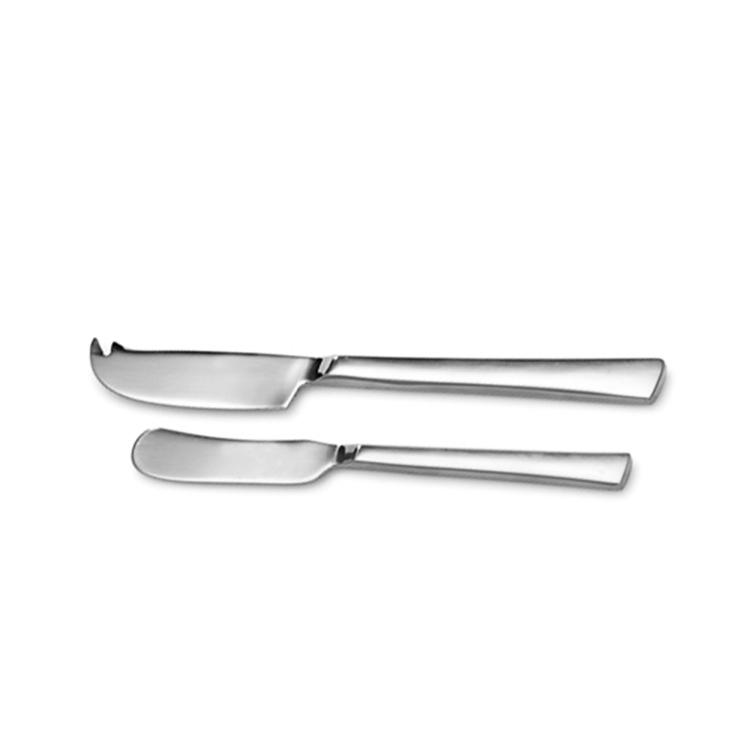
Here, a perforated cheese knife rests beside soft wedges, illustrating how multi-purpose perforations reduce drag on sticky surfaces.
For cheese boards, choose knives with slim profiles or perforations to avoid sticking on Brie or mozzarella. Forked tips lift slices cleanly, doubling as serving tools.
Multi-purpose models handle semi-hard cheddar too, transitioning seamlessly to fruit garnishes.
Straight edges slice cucumbers or apples evenly. A pointed tip cores peppers or pears without waste.
Serrations breeze through pineapple rinds or eggplant skins, expanding the knife's role beyond basics.
Trimming chicken or fish fillets requires a flexible blade. Multi-purpose knives with semi-flex offer control without specialized flex.
Avoid thick spines here; they tear rather than glide.
A hand demonstrates slicing wrapped cheese, highlighting the knife's grip and precision in action.
Serrated multi-purpose knives saw through crusty loaves without compressing the crumb. Shorter blades portion baguettes neatly.
For pastries, smooth edges prevent dragging icing or flaky layers.
Forged blades outlast stamped ones, with bolster reinforcement protecting the edge. Hand-sharpened edges from factories indicate premium attention.
Rust-proofing via coatings or alloys ensures longevity in humid kitchens. Check warranties; reputable brands back their tools for years.
Weight correlates with quality; lightweight feels cheap, overly heavy fatigues quickly.
Entry-level multi-purpose knives under $30 perform basic tasks reliably. Mid-range $50-100 options add superior steel and ergonomics.
Premium models over $150 justify cost through heirloom durability and precision. Start mid-range for balance unless gifting or professional use.
Invest in sharpening tools alongside; a dull knife wastes effort regardless of price.
Aesthetic appeal with natural grip. Seal regularly against moisture.
Hypoallergenic and low-maintenance. Rubberized versions absorb shock.
Like G10 or Micarta, they combine strength and lightness. Ideal for heavy use.
Choose based on climate; synthetics suit steamy environments.
- 4-5 inches: Detail work, single-hand control.
- 6 inches: Versatile daily driver.
- 7-8 inches: Chopping power, larger ingredients.
- Over 8 inches: Specialized, less multi-purpose.
Personal hand size influences ideal length; smaller palms favor shorter blades.
Hold the knife horizontally; it should rest evenly without tipping. Swing lightly to feel swing weight.
Cut test materials like carrots or paper for edge feedback. A quality blade slices cleanly without tearing.
Hone weekly with a ceramic rod for alignment. Sharpen monthly on whetstones, maintaining 15-20 degree angles.
Hand wash and dry immediately. Oil pivots on folding models.
Store in blocks or magnetic strips to prevent dulling.
Victorinox Fibrox offers unbeatable value with pro-grade performance. Wüsthof classics endure generations.
Global's seamless metal handles feel futuristic yet grippy. Japanese brands like Tojiro emphasize razor edges.
Local artisans provide custom fits at accessible prices.
An infographic pairs knife types with cheeses, visually mapping multi-purpose applications.
Overbuying length leads to clumsiness. Ignoring grip texture risks slips.
Neglecting sharpening turns tools into wedges. Chasing trends over function wastes money.
Stick to proven designs; gimmicks rarely multitask well.
Position near your board for flow. Pair with stable surfaces to maximize control.
Use for 80% of tasks, reserving specialists for extremes. This builds proficiency.
These clips reveal nuances in real use.
Begin with one 6-inch all-rounder. Add serrated later.
Sets streamline choices but assess individuals first.
Complement with peelers, boards, and steels. Multi-purpose reduces overall clutter.
Rock for herbs, pivot for onions, push-cut for proteins. Practice elevates any knife.
Chill fatty items for cleaner results.
Quality pays via fewer replacements. Teach family proper care for legacy use.
High-carbon stainless balances sharpness, ease of maintenance, and rust resistance.
Hone weekly, sharpen monthly with regular use.
Synthetics for ease, wood for feel; match to your environment.
Fixed blades offer superior strength and hygiene.
6 inches provides control without overwhelm.


