

Views: 290 Author: Site Editor Publish Time: 2026-04-10 Origin: Site


Content Menu
● Understanding Why Soft Cheese Sticks
>> Specialized Knife Materials
● Proven Techniques to Prevent Sticking
● Choosing and Preparing Your Cheese
>> Selecting the Right Texture
● Presentation and Serving Hacks
● Maintaining and Cleaning Your Knives
● Pairing Ideas to Enhance Flavor
If you've ever tried cutting soft cheese—Brie, Camembert, goat cheese, or burrata—you know the struggle: sticky layers clinging to your knife, tearing instead of slicing, and ruining an otherwise perfect cheese board presentation. Don't worry—you're not alone, and there are tried-and-true methods to make every cut clean, smooth, and effortless.
In this detailed guide, you'll learn practical tips, tool recommendations, and serving hacks to keep your cheese slices neat. We'll explore how temperature, knife design, and technique all influence texture—and ultimately, enjoyment.
Soft cheeses contain high levels of moisture and fat. When sliced, this moisture interacts with a dry knife blade, forming a slight vacuum-like effect that makes cheese cling. Additionally, the creamy consistency of semi-ripened cheeses creates resistance as the blade moves through.
Temperature plays the biggest role. When cheese is too warm, fat begins to melt and the surface becomes tacky. If it's too cold, it crumbles instead of slicing. The ideal time to cut soft cheeses is when they're cool—but not hard—right after being taken out of the fridge for about 10–15 minutes.
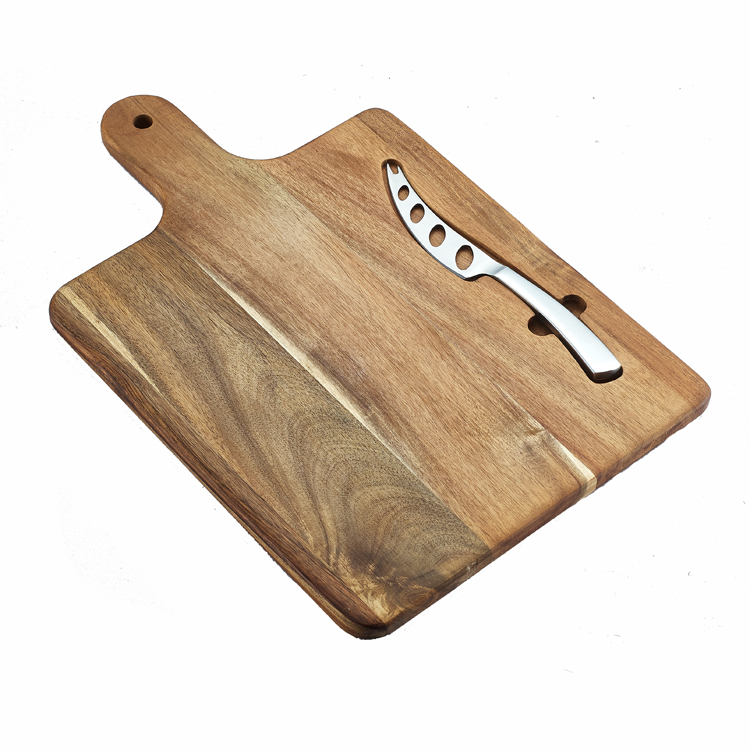
A basic rule: not all knives are created equal. For soft cheese, a blade's shape makes a world of difference.
- Perforated blades: Small holes reduce surface area, minimizing friction.
- Thin, narrow designs: Allow air to flow and prevent suction.
- Non-stick coatings: Create a smoother glide and less drag.
- Stainless steel: Durable and easy to clean, ideal for regular home use.
- Ceramic knives: Non-reactive and naturally non-stick.
- Teflon-coated blades: Great for sticky, creamy cheeses but need careful handling to avoid wear.
Before slicing, dip your knife into a cup of warm (not hot) water, then wipe it lightly with a soft cloth before the cut. The thin layer of moisture forms a barrier that prevents cheese from adhering.
After every cut, wipe the blade clean with a cloth or paper towel. This removes any lingering residue and keeps the next slice spotless.
An underrated trick—unscented dental floss can slice soft cheese without pressure. Stretch the floss tightly across the cheese and pull gently for even cuts.
Place your knife in the refrigerator or freezer for a few minutes before cutting. A cold blade repels fat and moisture, reducing sticking.
If you're slicing exceptionally sticky cheese like triple-cream brie, lightly coat the blade with a thin layer of neutral oil (grapeseed or olive). This film stops cheese from clinging to the metal.
Not all soft cheeses behave the same way when sliced. For example:
- Brie and Camembert soften faster due to their creamy interiors.
- Goat cheese logs maintain form longer because of their higher protein content.
- Mozzarella and burrata require quick movement since moisture release increases stickiness.
Remove cheese from the refrigerator about 10–15 minutes before serving. Cheeses should feel soft at the center yet firm at the edges. Cutting directly from cold helps achieve cleaner slices.
The way cheese is presented affects both taste and style. Neat, symmetrical slices suggest craftsmanship. By avoiding messy bits and smears, your board looks polished and appetizing.
Include the right serving tools for guests:
- Separate knives for each cheese type.
- Small cheese forks to pick up portions.
- Mini spatulas for extra-soft spreads.
- Wash knives immediately in warm soapy water.
- Avoid dishwashers—they can dull or warp specialty blades.
- Dry thoroughly before storing.
- Occasionally sharpen edges to maintain smooth slicing performance.
Keep knives in a dedicated block or magnetic rack away from moisture. If stored with other cutlery, use blade guards to prevent dullness.
- Cutting at room temperature without preparation.
- Using dull or wide-blade knives.
- Forgetting to clean between slices.
- Letting knives soak too long or rust over time.
Pair soft cheeses with sweet contrasts such as grapes, figs, or a drizzle of honey. These enhance flavor and pair beautifully on the same board.
Warm baguette slices, sourdough rounds, or even light crackers serve as perfect carriers. Pair your cheeses with wines that complement creaminess—Chardonnay, Champagne, or Pinot Noir work beautifully.
For round cheese wheels like Camembert, cut triangular wedges from the center outward to preserve structure.
For goat cheese logs, slice into neat round coins with floss or an oiled knife.
Try cutting firmer soft cheeses into cubes layered with herbs or nuts between. It adds visual appeal and textural depth.
Soft cheese can become the star of your gathering when prepared thoughtfully. Present a variety of soft cheeses with unique textures and use distinct knives for each to maintain clean flavors. Combine color from fruits, sauces, and herbs to make the board visually magnetic.
1. Why does cheese sometimes crumble even when it's soft?
If the cheese is too cold or aged slightly longer, its proteins tighten, causing crumbling. Let it rest before slicing.
2. Can I use a regular kitchen knife instead of a cheese knife?
Yes, but you may need to clean it more frequently. A warm-water dip helps make it function better for soft varieties.
3. How do I slice burrata without spilling it?
Use a sharp, thin knife and make one confident cut in the center. Serve immediately so the creamy inside stays fresh.
4. What's the best way to display soft cheese slices on a platter?
Fan slices outward from the center, separating each with parchment bits or fruit to prevent sticking.
5. Can I cut cheese ahead of time?
Soft cheeses are best sliced right before serving to maintain moisture balance and aroma.


