

Views: 280 Author: Site Editor Publish Time: 2026-04-29 Origin: Site


Content Menu
● The Importance of Routine Care
● Deep Cleaning and Sanitization
● The Art of Oiling Your Board
>> 1. Can I put my wooden cheese board in the dishwasher?
>> 2. How often should I oil my wooden board?
>> 3. What kind of oil should I use for a cutting board?
>> 4. How can I get rid of bad smells from my board?
>> 5. Why is my board cracking?
Maintaining a cheese board or cutting board is essential for both aesthetic appeal and longevity. Whether it is a beautiful wooden charcuterie display or a hardworking bamboo cutting board, the way you treat your surface directly impacts its lifespan and appearance. Investing a few minutes into proper care routines ensures that your board remains a stunning centerpiece for your kitchen and dining gatherings for years to come.
Many people wonder why their boards develop cracks or lose their luster over time. The answer often lies in improper cleaning habits or a lack of moisture replenishment. By following a consistent maintenance schedule, you can protect your board from warping, splitting, and bacterial buildup, keeping it in showroom-new condition.
Routine care is the foundation of a long-lasting board. Regular maintenance prevents the wood from drying out, which is the primary cause of cracking. When a board is well-maintained, it repels water and prevents bacteria from settling into the grain, ensuring a sanitary surface for your favorite cheeses.
Consistent care also preserves the natural beauty of the wood grain. A well-oiled board has a rich, deep color and a smooth finish that makes any arrangement look more appetizing. By treating your board as a living item that needs hydration, you turn a simple chore into an essential ritual of kitchen maintenance.
Cleaning your board immediately after use is the most effective way to keep it in top shape. The goal is to remove food particles without saturating the wood with excess water.
Always wash your board by hand using warm water and a mild dish soap. Never use a dishwasher, as the high heat and steam can force the wood to expand and contract rapidly, leading to warping or splitting. Gently scrub the surface with a soft sponge or cloth to dislodge any remnants of cheese or accompaniments.
Rinse the board thoroughly to ensure no soap residue remains. Once clean, immediately wipe the entire surface with a dry towel. It is important to leave the board upright or on a wire rack to ensure air circulates on both sides, preventing moisture from pooling underneath and causing uneven drying or warping.
Occasionally, your board may require more than a simple soap-and-water scrub, especially if it develops odors from strong cheeses or cured meats.
To sanitize the surface and remove lingering smells, you can wipe the board with a mixture of water and distilled white vinegar. The acidity of the vinegar naturally neutralizes odors and helps kill bacteria. Afterward, rinse it again with water and dry it completely.
For stubborn food particles that stick to the grain, a plastic scraper or a fine-grade scrubbing tool works better than abrasive materials. Avoid steel wool, which can damage the wood surface and leave metal fragments behind. Keeping the surface smooth and clean helps you maintain the aesthetic quality that makes these boards so desirable.
Oiling is the single most important maintenance step for wooden or bamboo boards. Wood is a porous material that loses its natural oils over time, leading to brittleness and a dull appearance.
Oiling replenishes the board's moisture content and creates a protective barrier that seals out bacteria. A well-oiled board resists staining and keeps the wood supple and resistant to cracking.
Choose a high-quality, food-grade mineral oil. Dip a clean, lint-free cloth into the oil and buff it into the wood in circular motions. Be generous, especially if the board looks dry or pale. Let the oil sit for several hours or overnight so it can penetrate deep into the fibers. Finally, wipe away any excess oil with a fresh cloth to leave a smooth, non-greasy surface.
For those who want to take their board maintenance to the next level, there are several advanced techniques that can restore a worn or heavily used board.
In addition to oil, food-grade beeswax provides a protective wax layer that adds a beautiful sheen and extra water resistance. It is a fantastic option for boards that see heavy use and need extra help maintaining their luster.
If your board has developed deep knife marks or feels rough to the touch, you can lightly sand it with fine-grit sandpaper. After sanding, always wipe away the dust with a damp cloth and finish with a thorough oiling. This simple process can make an older board look brand new.
How you store your board is just as important as how you clean it. Never store your board in a damp environment, as this promotes the growth of mold.
Always store your board in a cool, dry place. If you have the space, keep it standing upright to prevent warping, especially if the board is made of thicker, solid wood.
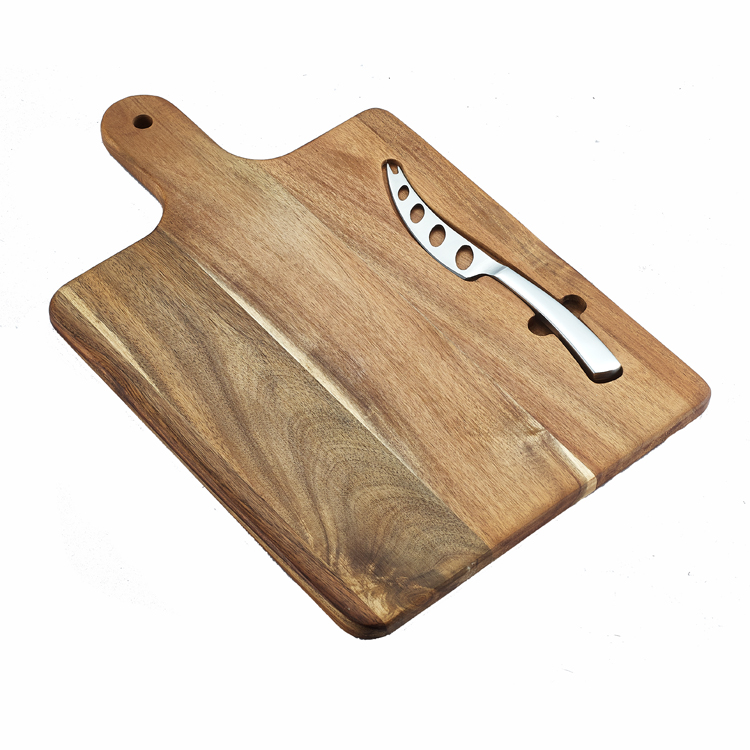
No, never put your wooden board in the dishwasher. High temperatures and prolonged exposure to water will warp, crack, and ruin the wood.
You should aim to oil your board once a month, or more frequently if it sees heavy use or starts to look dry and dull.
Always use food-grade mineral oil. Avoid cooking oils like olive oil or vegetable oil, as they can go rancid over time and leave a bad smell or taste.
Wiping the board down with a solution of water and white vinegar or rubbing it with half a lemon and kosher salt can effectively neutralize strong odors.
Cracking usually occurs because the wood has dried out too much. Regular oiling keeps the wood hydrated and flexible, preventing splits.


