

Views: 280 Author: Site Editor Publish Time: 2025-11-17 Origin: Site


Content Menu
● Understanding the Causes of Stains
>> Common Stains on Wooden Chopping Boards
● Effective Stain Removal Methods
>> Baking Soda and Water Paste
>> Hydrogen Peroxide for Tough Stains
>> Regular Maintenance Routine
Wooden chopping boards can accumulate a variety of stains, including:
- Water Stains: Often caused by leaving wet items on the board.
- Food Stains: From fruits, vegetables, and sauces, particularly those with strong pigments like tomatoes and beets.
- Oil Stains: Resulting from cooking oils that seep into the wood.
Understanding the type of stain can help you choose the most effective cleaning method.
To prevent stains from setting in, regular maintenance is key. After each use, wash your wooden chopping board with warm, soapy water. Avoid soaking it, as prolonged exposure to water can warp the wood.
After washing, dry your board immediately with a clean towel. Standing the board upright to air dry is ideal, as this prevents moisture from being trapped underneath.
One of the most effective ways to remove stains is by using a baking soda paste. Here's how to do it:
1. Create the Paste: Mix baking soda with a small amount of water to form a thick paste.
2. Apply the Paste: Spread the paste over the stained areas of the board.
3. Scrub Gently: Use a soft sponge or cloth to gently scrub the stained area.
4. Rinse and Dry: Rinse the board with warm water and dry it thoroughly.
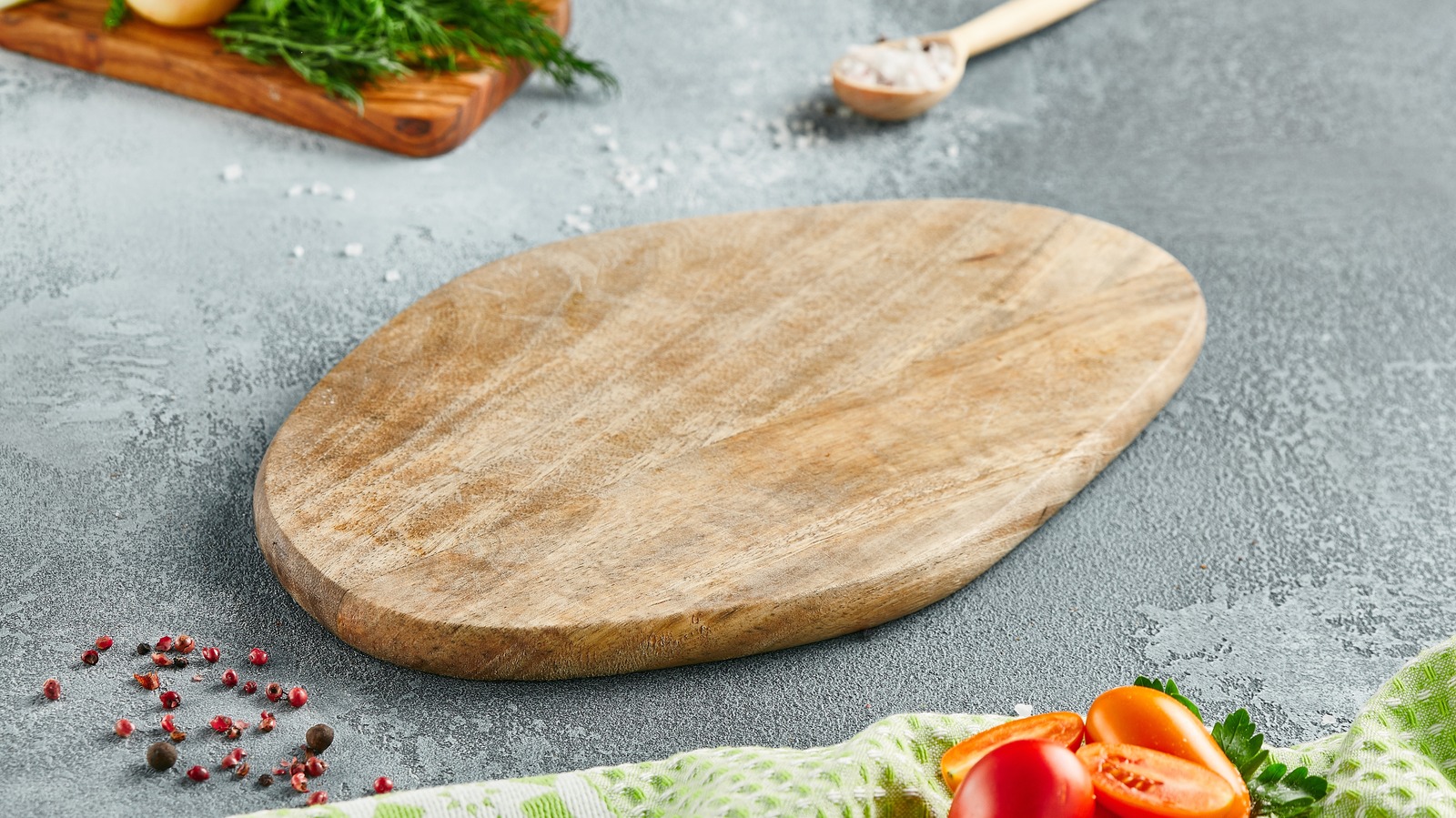
The combination of lemon and salt is not only effective but also leaves a fresh scent.
1. Sprinkle Salt: Generously sprinkle coarse salt over the stained area.
2. Rub with Lemon: Cut a lemon in half and use it to scrub the salt into the stain. The acidity of the lemon helps lift the stain while the salt acts as a gentle abrasive.
3. Rinse and Dry: Rinse the board with warm water and dry it.
Vinegar is a natural disinfectant and can help remove odors and stains.
1. Mix the Solution: Combine equal parts white vinegar and water in a bowl.
2. Apply the Solution: Use a cloth to apply the solution to the stained areas.
3. Scrub and Rinse: Gently scrub the area, then rinse with warm water and dry.
For particularly stubborn stains, hydrogen peroxide can be effective.
1. Apply Hydrogen Peroxide: Pour a small amount of hydrogen peroxide directly onto the stain.
2. Let it Sit: Allow it to sit for a few minutes to penetrate the stain.
3. Scrub and Rinse: Scrub the area gently, then rinse with warm water and dry.
If stains persist despite cleaning, light sanding can help.
1. Use Fine Sandpaper: Gently sand the stained area with fine-grit sandpaper.
2. Clean the Dust: Wipe away any dust with a damp cloth.
3. Re-oil the Board: After sanding, apply a food-safe mineral oil to restore moisture.
Regularly oiling your wooden chopping board helps maintain its condition and prevents stains from penetrating.
1. Choose the Right Oil: Use food-grade mineral oil or a specialized cutting board oil.
2. Apply Generously: Pour a small amount of oil onto the board and spread it evenly with a cloth.
3. Let it Soak: Allow the oil to soak in for several hours or overnight.
4. Wipe Off Excess: Wipe away any excess oil with a clean cloth.
Using a cutting board mat can help protect your wooden board from stains and scratches. These mats are easy to clean and can be placed under your board for added protection.
Be mindful of foods that are likely to stain, such as beets and tomatoes. If you frequently use these items, consider designating a specific board for them.
Establish a regular cleaning and maintenance routine to keep your wooden chopping board in top condition. This includes washing after each use, oiling regularly, and addressing stains promptly.
Removing stains from your wooden chopping board doesn't have to be a daunting task. With the right techniques and regular maintenance, you can keep your board looking beautiful and functional for years to come. By using natural cleaning methods and being proactive about care, you can enjoy the benefits of your wooden chopping board without the worry of unsightly stains.

1. Can I use bleach to clean my wooden chopping board?
- No, bleach can damage the wood and is not recommended for cleaning.
2. How often should I oil my wooden chopping board?
- It's best to oil your board every few weeks or whenever it looks dry.
3. What should I do if my board develops deep scratches?
- Lightly sand the scratched area and re-oil the board to restore its surface.
4. Is it safe to use my wooden chopping board for raw meat?
- Yes, but it's advisable to have a separate board for raw meat to prevent cross-contamination.
5. How can I remove odors from my wooden chopping board?
- Use a mixture of vinegar and water or rub with lemon to help eliminate odors.


