


Views: 290 Author: Site Editor Publish Time: 2026-11-09 Origin: Site


Content Menu
● Why Stainless-Steel Servers Get Scratched
>> Contact with other utensils
>> Abrasive cleaning materials
>> Improper storage and handling
>> Choose a soft sponge or microfiber cloth
● Protect the Servers in the Dishwasher
>> Remove them carefully after the cycle
>> When hand-washing is the safer choice
● Store the Set to Prevent Scratches
>> Use a divided drawer organizer
>> Add a protective sleeve or soft separator
>> Store them in a utensil holder carefully
>> Keep the set away from heavy items
● Handle Salad Servers Carefully During Meals
>> Set them down on a soft or clean surface
>> Avoid using them as general-purpose tools
● What to Do If You Notice a Scratch
>> Clean first and inspect in good light
>> Do not use an untested abrasive
>> Ask the manufacturer about deeper marks
>> Using steel wool or metal scouring pads
>> Mixing servers loosely with knives
>> Stacking the servers under cookware
>> Applying polish without checking the finish
● A Simple Scratch-Prevention Routine
>> Can stainless-steel salad servers scratch?
>> Can I use steel wool on stainless-steel salad servers?
>> Are stainless-steel servers dishwasher-safe?
>> How should I store salad servers to keep them from scratching?
>> Can I remove scratches from stainless-steel servers?
>> Is a scratch on a salad server unsafe?
>> Why do my servers look scratched after washing?
>> Can I wrap servers in a kitchen towel for storage?
Stainless-steel salad servers are made for regular use, but their polished surfaces can still pick up scratches. Marks often happen not because the steel is fragile, but because the servers rub against hard or sharp objects, are cleaned with an abrasive pad, or are tossed into a crowded drawer. The good news is that a few simple habits can help keep a set looking smooth and attractive.
The most reliable approach is to prevent unnecessary contact. Wash the servers with a soft sponge or cloth, dry them before storing, and give them a separate place away from knives and heavy utensils. If a scratch already exists, do not rush to polish it away: the right treatment depends on the finish, and an unsuitable abrasive can make the mark worse.
This guide explains how to prevent scratches during washing, serving, and storage; how to choose safe cleaning tools; what to do about existing marks; and when to check with the manufacturer. It also answers common questions about dishwashers, steel wool, polishing, and everyday care.
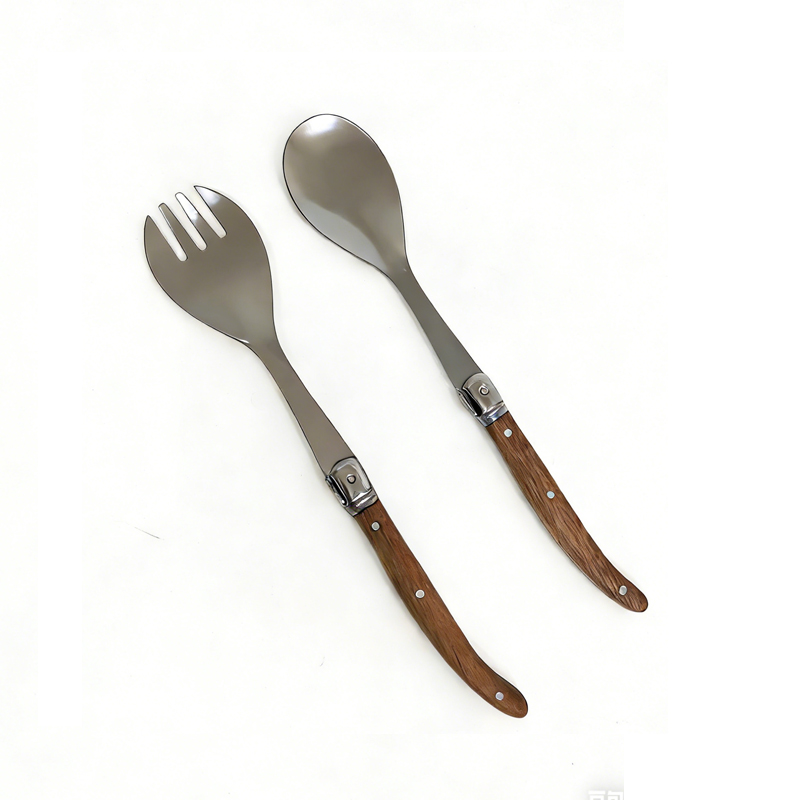
Stainless steel is durable, but it is not completely resistant to surface marks. A scratch can be a fine line, a dull patch, or a deeper groove. What it looks like depends on the steel's finish, the object that made contact, and the direction of the mark.
Knives, forks, metal tongs, and heavy serving tools can scrape against servers when they move together in a drawer, sink, dishwasher basket, or storage container. Even if both objects are stainless steel, their edges and surfaces may have different hardness, shapes, or finishes. Movement and pressure can leave visible marks over time.
The same problem can occur when servers are stacked under plates, cookware, or other heavy items. A utensil does not have to be crushed to become scratched; repeated rubbing during routine handling may be enough.
Steel wool, scouring pads, rough scrubbers, and abrasive powders can scratch or dull a polished surface. A cleaning product that seems effective on a sink or roasting pan may be too aggressive for a decorative serving utensil. Scratch risk is higher when a pad is used with pressure or when grit from food remains between the pad and the steel.
Even a non-metal pad can be too rough for a highly polished, coated, or patterned finish. When in doubt, begin with the gentlest method: warm water, mild dish soap, and a soft cloth or sponge.
Dried food can trap tiny particles that act like grit during cleaning. If you rub a server before rinsing off sand, seeds, crusted dressing, or other residue, those particles may drag across the surface. Rinsing first loosens residue and reduces the need to scrub.
A drawer packed tightly with cutlery can cause repeated collisions. Servers may also get scratched when they are dropped into a sink with sharp tools or set down on a rough counter. The easiest prevention is to give the set a consistent, protected place and handle it gently during washing and cleanup.
Cleaning is one of the moments when scratches are easiest to prevent. The aim is to remove food without rubbing a rough surface across the metal.
After serving, rinse the utensils to remove loose food and grit. This matters especially when the servers have touched seeded fruit, coarse salt, crusty bread, or a sandy salad ingredient. A quick rinse can prevent small particles from being dragged across the steel during washing.
If food has dried on, soak the servers briefly in warm, soapy water rather than scraping the residue with a knife or metal tool. Once it softens, remove it gently with a soft sponge or cloth.
Use a clean, non-abrasive sponge or a soft microfiber cloth for routine washing. Add mild dish soap and warm water, then clean the serving surfaces and handles without applying excessive pressure. A soft cloth is particularly useful for polished servers because it can lift light residue without the rough action of a scouring pad.
Keep cleaning cloths clean. A cloth that has picked up grit, dried food, or metal particles can behave like an abrasive. Rinse it well, inspect it for debris, and use a fresh one when necessary.
Let soap and water do most of the work. If residue remains, give it more time to soften rather than increasing the pressure or reaching for a rough scrubber. Avoid scraping with knives, forks, or other hard objects. These tools can leave deeper marks and may damage any decorative finish.
For stubborn spots, follow the manufacturer's recommended cleaning method. A set with a brushed, mirror-polished, plated, or coated finish may require different care from plain stainless steel.
After washing, dry the servers with a clean, soft towel. This helps prevent water spots and avoids leaving the utensils to knock against other items in a drying rack. If you prefer air-drying, place the pieces separately on a clean, soft surface where they will not touch sharp tools or one another.
Do not rub with a rough or gritty towel. Use light strokes and avoid dragging the servers across a hard countertop.
Dishwasher use depends on the specific set. Some stainless-steel servers are dishwasher-safe, while others have handles, joints, coatings, decorative details, or finishes that require hand-washing. Check the care label, packaging, or manufacturer's instructions before choosing a cleaning method.
If the manufacturer allows dishwasher cleaning, arrange the servers so that they cannot repeatedly strike knives, pans, or other utensils during the wash cycle. Do not wedge them tightly among sharp cutlery. A crowded basket allows objects to shift and rub together.
If the dishwasher has a cutlery basket, place each server in a position where it is stable and separated from sharp edges. Keep serving pieces from being trapped under heavier items or pressed against a metal rack.
When unloading, lift each server out rather than dragging it across the rack or against other utensils. If the pieces are hot or wet, handle them carefully and dry them with a soft cloth if needed. Put them away only after they are fully dry.
If the product instructions are missing or the set includes delicate handles or a special finish, hand-washing is a conservative option. Use warm water, mild soap, and a soft sponge. Do not assume that all stainless-steel salad servers have identical care requirements just because their serving ends are metal.
Good storage keeps the servers from rubbing against harder objects when they are not in use. It also makes the set easier to find and return to its proper place.
A cutlery tray or drawer divider creates a separate space for the servers. Store them away from knives, heavy cooking tools, and utensils with rough edges. If the set is too long for a small compartment, use a larger drawer section rather than forcing the pieces into a tight space.
Do not pile other utensils on top of the servers. A divider works best when it keeps items separated and prevents them from shifting whenever the drawer opens or closes.
A clean fabric sleeve can help protect a special or polished set. If you do not have a sleeve, place a soft, clean cloth between the servers and neighboring utensils. Make sure everything is completely dry before wrapping or covering the pieces. A damp cover can hold moisture against the steel.
Avoid materials that shed fibers, transfer ink, or have rough seams. The protective layer should be clean, smooth, and used only to prevent contact—not wrapped tightly around wet utensils.
A utensil crock can be convenient, particularly for servers used often. Choose a clean, stable holder with enough space for the pieces to stand without being forced against one another. Keep sharp knives and heavy tools in a separate holder.
Check the bottom of the crock periodically. Food crumbs or moisture collecting there can affect cleanliness, and a crowded holder may make utensils collide whenever one is removed.
Store the servers where plates, pans, and cookware cannot fall or press on them. A dedicated drawer compartment or a shallow tray on a cabinet shelf is safer than placing them loosely under a stack of dishes.
Scratches can happen before the utensils reach the sink. Serving habits that seem small can reduce contact with plates, bowls, and other tools.
Use the servers to lift and transfer salad rather than scraping them firmly around the bowl. Repeated contact with a hard ceramic, glass, or stoneware surface may mark the utensil, especially if there are sharp edges or grit between the surfaces.
If the bowl has dressing or food stuck to the sides, use a separate, appropriate utensil to scrape it rather than pressing the salad servers against the bowl.
When the servers are not in use, place them on a clean utensil rest, a folded napkin, or a dedicated serving tray. Avoid dropping them into a crowded sink or laying them across a rough countertop. At a buffet, a clean rest also keeps the serving ends from touching the table.
Salad servers are designed for serving salad, not opening packages, scraping pans, breaking apart frozen food, or lifting heavy cookware. Using them for jobs that require leverage or force increases the chance of bending, denting, or scratching the steel.
A small surface mark does not necessarily affect how the utensil works. Before trying to remove it, identify the finish and consider whether the mark is simply a change in reflection or a deeper groove.
Wash and dry the area with mild soap and a soft cloth. Food residue, water spots, and smears can look like scratches. Inspect the server under even, bright light and turn it gently to see whether the mark changes as the light moves.
If the line disappears after cleaning, it may have been residue rather than damage. If it remains, avoid immediately rubbing it with polish, a scouring pad, or a household scratch-removal product.
A product intended for stainless-steel appliances, sinks, or cookware may not be suitable for a small serving utensil or its particular finish. Polished, brushed, colored, coated, or patterned surfaces can respond differently to rubbing and polishing.
An abrasive treatment may create a larger dull patch or change the texture around the scratch. Check the manufacturer's guidance before using a metal polish or scratch-removal product, and do not use any treatment that is not approved for food-contact utensils.
If the scratch is deep, the finish is unusual, or the server has a coating or decorative pattern, contact the manufacturer for advice. Include the product name and, if possible, a clear description or photo of the mark. A manufacturer can tell you whether the finish can be repaired or whether the piece should simply be used as is.
If the utensil is bent, has a damaged coating, or has a sharp burr, stop using it until you have checked the maker's recommendations. A rough or damaged edge may present a handling or food-contact concern.
Scratch prevention is largely about avoiding unnecessary abrasion and contact. A few common shortcuts can create more work later.
These tools can leave visible marks and dull a polished finish. Do not use them simply because the residue is stubborn. Soften stuck-on food with warm, soapy water and use a gentle cloth or sponge instead.
A drawer full of loose utensils lets sharp edges move against the servers. Separate the set in a divider, tray, or sleeve. This also makes the servers easier to locate and helps protect their handles.
Scrubbing without rinsing can drag grit across the surface. Rinse first, soak briefly if necessary, and then clean gently.
Heavy objects can cause rubbing and pressure marks. Store the utensils in a protected compartment where they will not be crushed, bent, or scraped.
Not every polish is suitable for every stainless-steel surface. A product may change a brushed texture, damage a coating, or leave residue. Always follow the care instructions for the exact set.
A repeatable routine makes care straightforward. After each meal, rinse the servers to remove loose food and grit. Wash them with warm, soapy water and a soft sponge unless the manufacturer gives different instructions. Dry them with a clean, soft towel, then place them in a separate drawer compartment, sleeve, or stable holder.
Every so often, check the storage area for loose knives, rough surfaces, or crowded utensils that may rub against the servers. If you use a dishwasher, confirm that the set is dishwasher-safe and arrange it so the pieces cannot knock against sharp or heavy items.
The most useful rule is simple: keep the steel clean, dry, and separated from abrasive or sharp objects. Special products are rarely necessary for routine prevention; careful washing and sensible storage do most of the work.

Yes. Stainless steel is durable, but its surface can be scratched by knives, rough scrubbers, abrasive cleaners, hard objects, or repeated contact with other utensils. Keeping the servers clean and separated from sharp items helps reduce the risk.
It is best to avoid steel wool and metal scouring pads. They can scratch or dull the surface, especially on polished or decorative sets. Use a soft sponge or cloth with mild soap instead, and soak stuck-on residue before cleaning.
Some sets are, but care requirements vary. Check the manufacturer's label or instructions, particularly if the servers have acrylic or wooden handles, a coating, decorative details, or a special finish. If the instructions are unavailable, gentle hand-washing is a cautious choice.
Store them in a separate drawer compartment, a soft protective sleeve, or a clean utensil holder with enough room. Keep them away from knives, heavy cookware, and rough-edged tools. Make sure the pieces are fully dry before covering or storing them.
Sometimes a superficial mark may be improved, but the correct method depends on the finish. Clean the utensil first and consult the manufacturer before using polish or abrasive products. An unsuitable treatment can enlarge the mark or change the finish.
A light cosmetic scratch does not automatically mean the utensil is unsafe to use. However, if the server has a sharp burr, a damaged coating, a loose joint, or a deep defect, stop using it and check the manufacturer's advice before serving food with it.
They may have rubbed against cutlery, a dishwasher rack, or another utensil. Sometimes residue or water spots can resemble scratches. Clean the surface gently, dry it, and inspect it in good light before deciding that the finish is damaged.
Yes, if the towel is clean, soft, and completely dry. A sleeve or cloth can prevent contact with other utensils. Do not wrap damp servers, and avoid fabric that sheds lint or has rough seams that could rub against the finish.
To stop stainless-steel servers from getting scratched, prevent them from rubbing against knives, heavy tools, and rough surfaces. Rinse away grit before washing, use mild soap and a soft sponge, dry the set gently, and store it in a separate compartment or clean sleeve. Check the manufacturer's instructions before using a dishwasher, polish, or scratch-removal product, especially when the set has a special finish.


