



This guide explains how to choose and use cheese knives for soft, semi-soft, hard, and crumbly cheeses. Learn safe cutting techniques, serving-board setup, knife cleaning, common mistakes, food-safety basics, and practical answers to frequently asked questions for easier, neater cheese service.
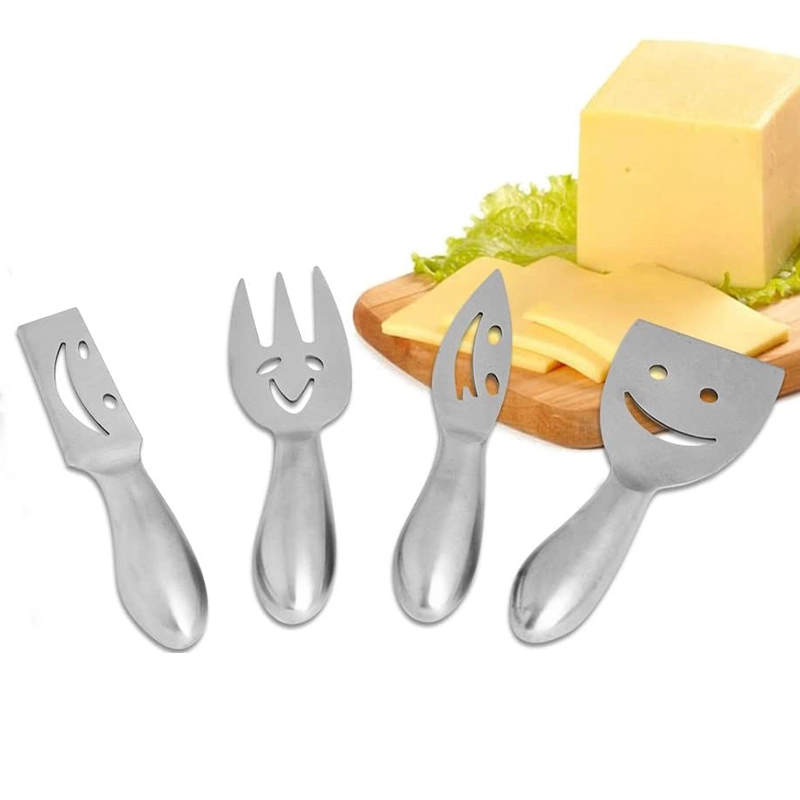
Cheese spreader knife vs jam spreader knife: explore blade shapes, jar access, materials, cleaning, and practical sample testing. Discover how HELLOKNIFE LTD helps international brands, wholesalers, and manufacturers develop custom OEM spreaders for cheese boards, breakfast collections, and gift sets.

This guide explains the main types of cheese knives and how to use them, from perforated soft-cheese knives and spreaders to cleavers, slicers, and Parmesan knives. Learn which tools suit Brie, cheddar, blue cheese, and aged varieties, plus practical advice for serving, choosing a set, cleaning, and safe storage.

This article explores the importance of cheese slicers and carving knives in culinary arts, emphasizing their role in enhancing the cheese experience. It discusses various types of cheese slicers, the best carving knives, and tips for maintenance. HelloKnife Co., Ltd. offers high-quality products to elevate your kitchen experience.

This article explores the benefits and features of stainless steel knives, emphasizing their durability, ease of maintenance, and versatility. HelloKnife Co., Ltd. offers a range of high-quality stainless steel knives suitable for various culinary tasks. The article also provides tips on choosing the best knife and maintaining it for optimal performance.

This article explores the concept of knives, focusing on what makes the best knife for various applications. It covers the anatomy of a knife, the importance of materials and design, and offers insights into choosing the right knife for your needs. Additionally, it discusses the role of OEM in knife manufacturing and provides maintenance tips to ensure longevity.


