

Views: 280 Author: Site Editor Publish Time: 2026-06-02 Origin: Site


Content Menu
>> The Science of Cross-Contamination
>> Categorizing Your Cutting Board Arsenal
>>> The Produce and Ready-to-Eat Board
>>> The Fragrant Board (Optional but Recommended)
>> Material Considerations for Specific Tasks
>> Hardwood vs. Softwood for Slicing
>> The Role of Non-Porous Surfaces
>> Maintenance: Keeping Your Boards Safe
The kitchen is the heart of the home, and the cutting board is the stage upon which our culinary creations come to life. Whether you are a casual home cook or a seasoned professional, the question of board management is critical. Is it truly necessary to have multiple boards for different ingredients, or is a single, well-maintained surface enough? The short answer is yes—using different boards for different tasks is one of the most effective ways to ensure food safety and improve your efficiency in the kitchen.
To understand why multiple boards are recommended, we must first look at the invisible risks lurking in our kitchens. Cross-contamination occurs when harmful bacteria, such as Salmonella, E. coli, or Campylobacter, are transferred from raw foods—particularly meat, poultry, and seafood—to ready-to-eat items like vegetables, fruits, or bread.
When you chop raw chicken on a board and then proceed to slice fresh lettuce for a salad on that same surface without proper sanitization, you create a direct pathway for pathogens to enter your meal. While heat (cooking) kills most bacteria, raw vegetables are often consumed without further processing, meaning any bacteria transferred to them remain alive and ready to be ingested.
Establishing a system for your boards doesn't need to be complicated. By color-coding or simply assigning specific roles to your boards, you create a fail-safe environment.
This board should be reserved exclusively for raw meat, poultry, and seafood. Plastic or non-porous composite materials are often the best choice here because they can withstand the harsh cleaning required to neutralize meat-borne pathogens, such as high-temperature dishwashing or diluted bleach rinses.
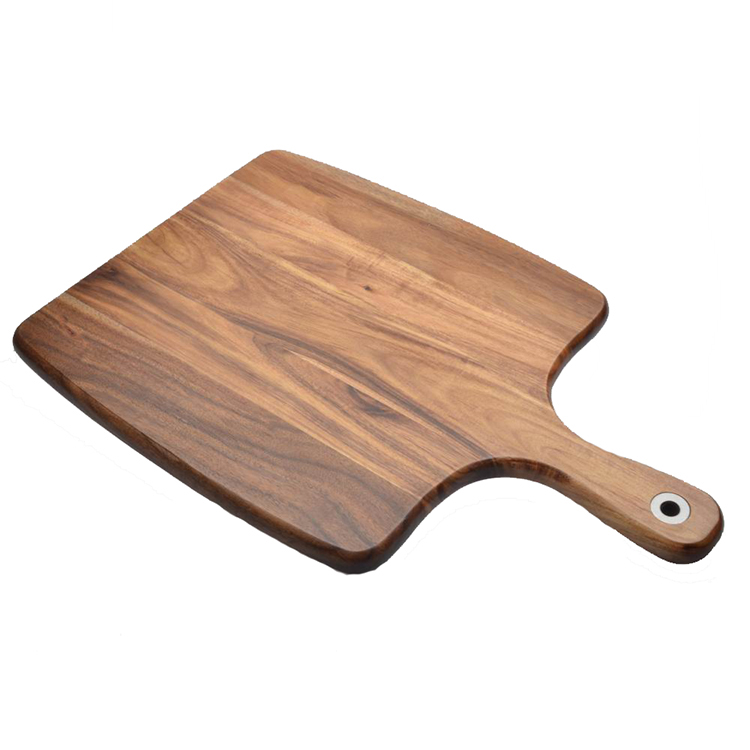
For items that will not be cooked further, such as fresh herbs, salad greens, fruits, and bread, you should use a clean, dedicated board. Many people prefer wooden boards for this task because they are aesthetically pleasing and generally easier on knife edges, allowing for precise slicing of delicate produce.
Certain ingredients like onions, garlic, and chilies leave behind strong odors and essential oils that can permeate your board. If you want to avoid your sliced apples tasting like garlic, a dedicated "aromatic" board is a brilliant, albeit optional, addition to your kitchen setup.
Different tasks demand different surface properties. Not only are you preventing cross-contamination, but you are also optimizing your tool's performance.
Hardwoods like maple and walnut are excellent for general-purpose cutting. They are durable, provide a satisfying tactile feedback, and are gentle on high-end steel blades. Conversely, softer woods like bamboo are technically a grass, not wood; they are harder and denser, which is great for durability but can be slightly more abrasive on your knife edges over long periods of frequent use.
When working with messy ingredients or liquid-heavy tasks like butchering meat, a board with a deep juice groove is essential. This prevents liquids from spilling onto your counters and creating a slip hazard. Non-porous materials here are superior because they do not absorb meat juices, preventing the buildup of bacteria deep within the board's fibers.
Regardless of how many boards you have, they are only as safe as the care you provide them.
- Immediate Washing: Always wash your board immediately after use, especially after handling proteins.
- Deep Sanitizing: If you use a wooden board for meat (though not recommended), ensure you sanitize it with a food-safe disinfectant or a mixture of lemon and salt.
- Drying is Key: Bacteria love moisture. After washing, never lay a board flat to dry. Always stand it upright in a rack so that air can circulate on both sides. If the board stays damp, it becomes a petri dish for microbes.
- Oiling: Regular oiling of wooden boards prevents them from developing cracks where bacteria can hide. A dry, cracked board is a compromised board.
Using different boards can actually make you faster. When you aren't constantly stopping to scrub a single board between every step of your recipe, your "mise en place" becomes significantly more fluid. You can chop your vegetables, set that board aside, and move straight to the protein board without the friction of a deep-clean cycle mid-prep.
Ultimately, your kitchen should be a place of creativity, not anxiety. By investing in a few distinct boards, you are not just buying kitchenware; you are establishing a professional-grade safety protocol that protects your health and elevates the quality of your cooking.
1. Is it okay to use both sides of my cutting board?
Yes, using both sides of a cutting board is a great way to distribute wear. However, if you do this, you must treat both sides as separate surfaces. If you use one side for meat, ensure the entire board is washed and sanitized before flipping it to use for vegetables on the other side.
2. How do I know if my wooden board is damaged beyond repair?
If your wooden board has deep, splintering cracks, or if the surface has developed "fuzz" or deep grooves that no longer come clean after a vigorous scrubbing, it is time to replace it. These areas can harbor bacteria that are impossible to reach with a sponge.
3. Why do professional chefs prefer wood over plastic?
Chefs prefer high-quality wood because it is forgiving. It provides a tactile connection between the knife and the board that plastic lacks. Additionally, wood is much kinder to knife edges, meaning chefs spend less time sharpening their blades during a busy service.
4. Can I use a glass board for everything to avoid bacteria?
You should avoid glass entirely. While it is easy to clean, it is extremely hard and will dull your knives almost instantly. A dull knife is more dangerous than a sharp one because it requires more force to cut, leading to a higher risk of slipping.
5. How many cutting boards should an average home cook own?
At a minimum, you should have two: one for raw proteins and one for everything else (produce, bread, herbs). If you have the storage space, adding a third for strong-smelling ingredients like garlic or onions is highly recommended for an improved kitchen experience.


