

Views: 290 Author: Site Editor Publish Time: 2026-01-29 Origin: Site


Content Menu
● Promoting Hygiene and Food Safety
>> Preventing Cross-Contamination
● Preserving Countertops and Kitchen Surfaces
● Enhancing Culinary Creativity
● Environmental Considerations
Cutting boards are an essential tool in any kitchen, serving as a protective surface for food preparation. They come in various materials, sizes, and designs, each offering unique advantages. In this article, we will explore the numerous benefits of using a cutting board, from enhancing food safety to preserving your kitchen surfaces.
One of the primary benefits of using a cutting board is its role in promoting hygiene and food safety. By providing a dedicated surface for food preparation, cutting boards create a barrier between raw ingredients and countertops, minimizing the risk of cross-contamination. This is especially crucial when handling raw meat, poultry, or seafood, as it prevents the spread of harmful bacteria such as Salmonella and E. coli.
Cutting boards are designed to be easy to clean, which is vital for maintaining a hygienic kitchen. Most cutting boards can be washed with hot, soapy water, and many are dishwasher safe. Regular cleaning helps eliminate bacteria and ensures that your food preparation area remains safe.
Using a cutting board protects your countertops from scratches, stains, and damage caused by sharp knives. Whether you have a sleek granite countertop or a delicate wooden table, a cutting board acts as a shield, preventing wear and tear from daily food preparation. This not only extends the life of your countertops but also keeps them looking pristine.
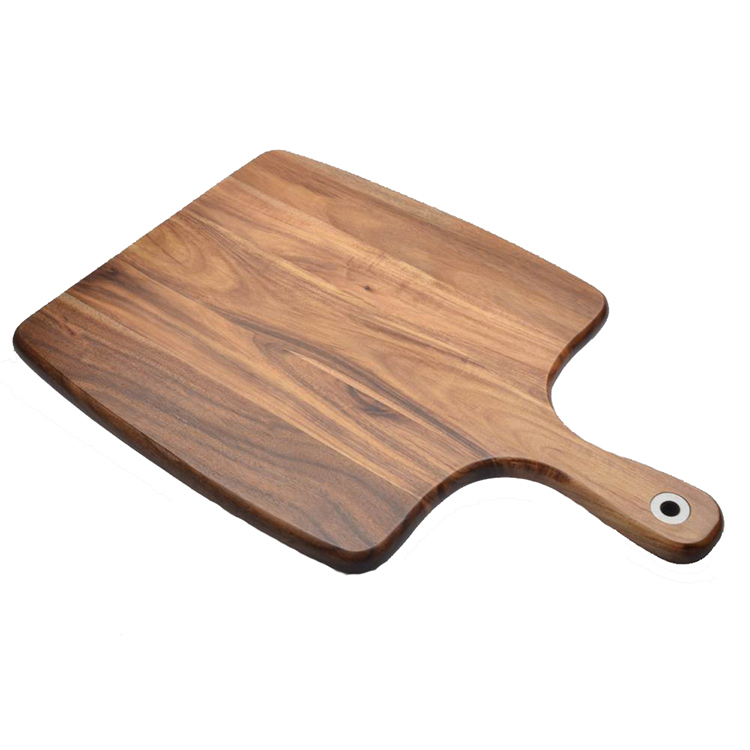
Cutting boards, especially those made from beautiful hardwoods, can enhance the visual appeal of your kitchen. They can serve as decorative elements when not in use, adding warmth and character to your cooking space.
Cutting boards provide a versatile surface for various food preparation tasks. Whether you're chopping vegetables, slicing bread, or dicing meat, a cutting board offers the stability and space needed to work efficiently. This versatility encourages culinary creativity, allowing you to experiment with different ingredients and techniques.
Many cutting boards can double as serving platters, especially those with unique designs or finishes. You can use them to present cheese, charcuterie, or appetizers, making them a functional and stylish addition to your dining experience.
Using a cutting board helps protect your knives from dulling. Wooden and plastic cutting boards are gentler on knife blades compared to harder surfaces like glass or stone. This means your knives will stay sharper for longer, reducing the frequency of sharpening and prolonging their lifespan.
Wooden cutting boards, in particular, have self-healing properties. When you cut into the wood, the fibers can close up, which helps to prevent bacteria from entering the board. This natural characteristic makes wooden boards a hygienic choice for food preparation.
Many cutting boards are made from sustainable materials, such as bamboo or reclaimed wood. Choosing eco-friendly cutting boards can reduce your environmental impact and support sustainable practices in the kitchen.
By opting for wooden or bamboo cutting boards instead of plastic, you can help reduce plastic waste. Wooden boards are biodegradable and can be composted at the end of their life cycle, making them a more environmentally friendly choice.
In conclusion, the benefits of using a cutting board are numerous and significant. From promoting hygiene and food safety to preserving your kitchen surfaces and enhancing culinary creativity, cutting boards are indispensable tools in any kitchen. By choosing the right cutting board for your needs, you can elevate your cooking experience while ensuring the integrity and quality of your food preparation.
1. What is the best material for a cutting board?
- The best material depends on your needs. Wooden boards are great for general use, while plastic boards are better for raw meat.
2. How often should I replace my cutting board?
- Replace your cutting board when it shows significant wear, such as deep grooves or cracks.
3. Can I put my wooden cutting board in the dishwasher?
- No, wooden cutting boards should be hand washed to prevent warping and cracking.
4. How do I sanitize my cutting board?
- Use a mixture of vinegar and water or a food-safe sanitizer after washing.
5. Is it safe to use the same cutting board for meat and vegetables?
- It is not recommended due to the risk of cross-contamination. Use separate boards for different food types.


