

Views: 290 Author: Site Editor Publish Time: 2025-10-17 Origin: Site


Content Menu
● What Is a Carving Knife and Fork?
>> H2: Defining Carving Knives
>> H3: Blade Shapes and Styles
>> H3: Handle Materials and Ergonomics
● How to Choose the Right Carving Knife and Fork
>> H2: Comfort and Safety Features
● Proper Techniques for Carving Meat
>> H2: Preparing Your Workspace
● Caring for Your Carving Knife and Fork
>> H2: Cleaning and Storage Tips
>> Image: Sharpening a carving knife with a whetstone
● Popular Brands and Recommended Products
>> H2: Top Carving Knife and Fork Brands
>> H3: Features to Look for in Top Sets
● Frequently Asked Questions (FAQ)
Carving knives and forks are essential tools for anyone who loves preparing and serving roasted meats with elegance and precision. Whether you are a home cook or a professional chef, understanding the right use, maintenance, and selection of carving knives and forks can transform your dining experience.
In this comprehensive guide, we will explore everything from the types and designs of carving tools to expert tips for carving like a pro. Throughout the article, you will find a wealth of images and videos demonstrating techniques and tool features to help you elevate your carving skills.
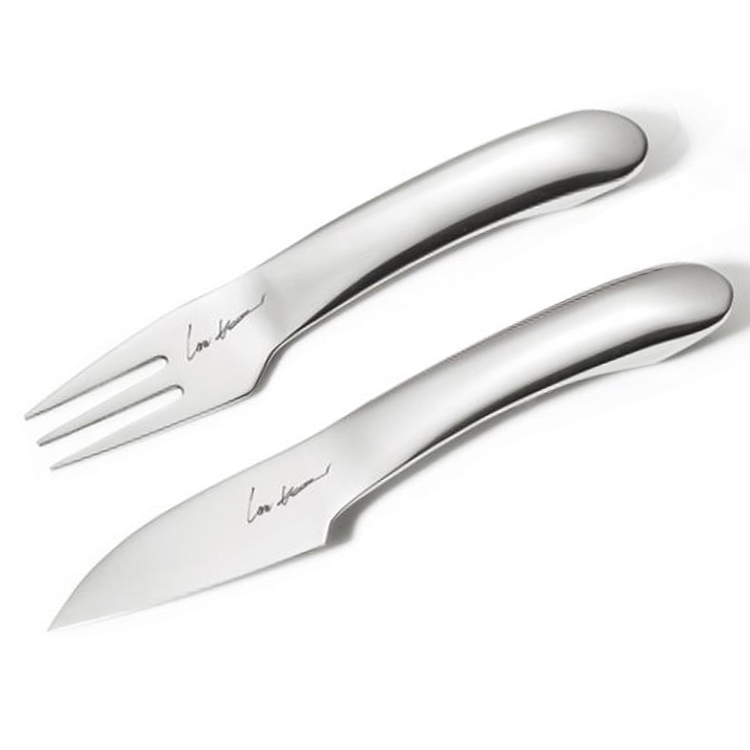
A carving knife is a long, thin blade primarily designed to slice roasted meats, poultry, and large cuts of meat with precision. The blade allows for thin, uniform slices while preserving the texture and juices of the meat.
.
- Budget range and brand reputation.
- Ergonomic grips to reduce hand fatigue.
- Non-slip handles for safety.
- Balanced weight distribution for better control.
- Use a sturdy cutting board.
- Keep meat rested for 10-15 minutes to lock in juices.
- Position the carving fork securely.
1. Start with long, smooth strokes.
2. Use the carving fork to stabilize the meat gently.
3. Cut against the grain for tenderness.
4. Slice evenly to enhance presentation.
- Hand wash immediately after use; avoid dishwasher.
- Dry thoroughly to prevent rust and corrosion.
- Store in a knife block or magnetic strip.
- Use sharpening stones or rods designed for fine blades.
- Maintain the correct angle (usually around 15-20 degrees).
- Regular honing keeps the blade razor-sharp for effortless carving.
- Wüsthof
- Victorinox
- Zwilling J.A. Henckels
- Shun
- Full tang for durability.
- High-carbon stainless steel blades.
- Comfortable handles with anti-slip surfaces.
Q1: Can I use a regular kitchen knife instead of a carving knife?
A1: While possible, carving knives are designed specifically for clean, thin slices and make the process easier and safer.
Q2: How do I prevent my carving knife from slipping?
A2: Use a knife with a textured or ergonomic handle and ensure your hands and tools are dry.
Q3: Should I buy a carving knife and fork set or separate pieces?
A3: Sets ensure matching design and quality, but high-quality individual pieces allow for customization.
Q4: What's the best way to store my carving knives?
A4: Use a knife block, sheath, or magnetic knife strip to protect the blade and prevent accidents.
Q5: How often should I sharpen my carving knife?
A5: Regular honing after every few uses and full sharpening every few months depending on frequency of use.
Mastering the use of a carving knife and fork elevates any meal involving roasted meats. With the right knowledge, tools, and techniques shown above, you can carve like a professional and impress your guests. Proper care and maintenance will also ensure your tools remain sharp and effective for years to come.


