

Views: 280 Author: Site Editor Publish Time: 2025-09-09 Origin: Site


Content Menu
● Blade Material: Foundation of Performance
>> Carbon Steel
● Blade Construction: Forged vs Stamped
>> Common Sizes
>> Ergonomics
● Edge Retention and Sharpness
>> Sharpening
>> Cleaning
● Price and Brand Considerations
● Popular Kitchen Knife Recommendations
● Frequently Asked Questions (FAQs)
Selecting the perfect kitchen knife is essential for anyone passionate about cooking. A good knife not only improves efficiency but also makes the preparation safer and more enjoyable. With the vast array of options available, understanding the core features to consider before purchasing a kitchen knife is crucial. This guide explores essential features such as blade material, design, handle ergonomics, balance, and maintenance. It is richly illustrated with images and videos to aid decision-making for both home cooks and professionals.
Stainless steel blades are popular due to their resistance to rust, corrosion, and staining. They require less maintenance and are durable for everyday use. Modern high-carbon stainless steel combines sharpness and durability, making it ideal for versatile kitchen knives.
Carbon steel knives are known for their superior sharpness and easy sharpening but require more care to prevent rust and discoloration. Professional chefs often favor carbon steel for its edge retention and precision.
These blades are crafted by layering multiple types of steel to create a tough, sharp blade with a striking patterned surface. Damascus knives are durable and beautiful but can be pricier and require careful maintenance.
Forged knives are made from a single solid piece of steel heated and shaped to form the blade. These knives are typically heavier, stronger, and have better balance, making them a favorite among professionals.
Stamped knives are cut from a large sheet of steel and then shaped. They are lighter and generally less expensive but may not offer the same durability and balance as forged knives.
- 6 to 8 inches: Most versatile range, suitable for chef's knives and Santoku knives.
- Smaller knives (3 to 4 inches): For peeling and delicate work, such as paring knives.
- Larger knives (10-12 inches): Useful for specialized tasks like slicing large cuts of meat.
- Curved edges: Ideal for rocking motions to chop herbs and vegetables.
- Straight edges: Better for slicing and push cuts.
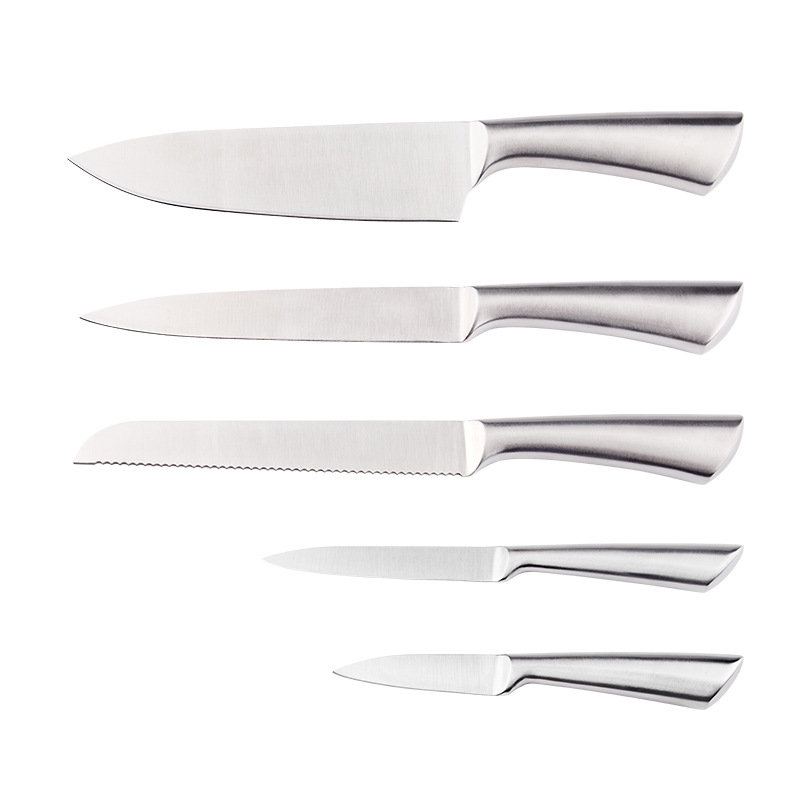
- Serrated edges: Great for cutting bread or tomatoes where a smooth blade would struggle.
Handles should provide a comfortable, secure grip to reduce hand fatigue during long prep sessions. Contoured designs that fit naturally in the hand and offer slip resistance are desirable.
- Wood: Traditional and attractive but requires care to avoid cracking.
- Composite materials: Durable, easy to clean, and resistant to moisture.
- Metal handles: Sleek and durable but may become slippery and cold during use.
A well-balanced knife feels comfortable and agile, reducing wrist strain and improving control. Balance depends on the distribution of weight between the blade and the handle.
- Heavier knives: Provide more power but can cause fatigue.
- Lighter knives: Offer precision and are preferable for delicate tasks.
Testing the knife by holding it and simulating cutting motions can help determine the best balance.
The ability of a knife to keep its edge impacts cutting performance and the frequency of sharpening. Harder steel holds an edge longer but can be brittle; softer steel is more durable but dulls faster. Look for knives with Rockwell hardness ratings between 56 and 62 for a good balance.
Some knives require frequent sharpening (carbon steel), while others maintain their edge longer (stainless and Damascus). Sharpeners, whetstones, or professional services may be needed depending on the blade type.
Hand washing and thorough drying extend the life of the knife and preserve the handle and blade.
Stable bolsters improve balance and protect fingers from slipping onto the blade. Knives with full or half bolsters offer safer handling.
Ensure handles provide a secure grip even when wet.
Well-known brands often ensure high quality and offer warranties. Premium knives may cost more but provide better materials, construction, and finish. However, good-quality knives are available at affordable prices as well.
- Wüsthof Classic Chef's Knife: Forged, full tang, excellent balance.
- Shun Classic Santoku Knife: Lightweight, razor sharp, beautiful Damascus steel.
- Mac MTH-80 Professional: Slim blade, great edge retention, ergonomic handle.
Q1: What blade material should I choose for durability and sharpness?
High-carbon stainless steel offers a great balance of sharpness, durability, and corrosion resistance.
Q2: How do I know if a knife is well balanced?
Hold the knife and check if the weight feels even between the blade and the handle; it should feel comfortable to control.
Q3: Are forged knives better than stamped knives?
Forged knives are generally stronger, heavier, and more balanced but usually come at a higher price.
Q4: How often should I sharpen my kitchen knives?
Sharpen knives as needed, typically every few months for regular users; honing should be done more frequently.
Q5: What type of handle material is best for kitchen knives?
Handles made of composite materials are highly durable and low maintenance; wooden handles need more care but offer a classic look.
***
When buying a kitchen knife, considering blade material, construction, shape, handle ergonomics, balance, and maintenance needs is crucial. These features collectively determine the knife's performance, comfort, and longevity. Selecting the right knife tailored to personal cooking styles and needs enhances kitchen productivity and enjoyment.
[1](https://www.nothingbutknives.com/best-high-end-kitchen-knife-sets/)
[2](https://www.all-clad.com/blog/post/Santoku-vs-Chef-Knife-Comparison)
[3](https://www.kitchenknifeguru.com/knives/best-chef-knives-six-recommendations/)
[4](https://www.youtube.com/watch?v=LO35cdWL1MQ)
[5](https://madeincookware.com/blogs/types-of-kitchen-knives)
[6](https://www.everythingkitchens.com/knife-education-guide.html)
[7](https://www.eater.com/24364456/best-chefs-knives)
[8](https://kamikoto.com/blogs/fundamentals/understanding-kitchen-knives-types)
[9](https://kuisinemall.com/blogs/news/utility-knife-vs-chef-knife-what-s-the-difference)
[10](https://www.epicedge.com/shopcontent.asp?type=ChoosingAChefsKnife)


