

Views: 290 Author: Site Editor Publish Time: 2025-11-05 Origin: Site


Content Menu
>> The Anatomy of a Cheese Plane
● Benefits of Using a Cheese Plane
● Choosing the Right Cheese Plane
>> Material
>> Blade Width
● Tips for Maintaining Your Cheese Plane
>> Cleaning
>> Storage
● Creative Uses for a Cheese Plane
>> Cooking
>> Entertaining
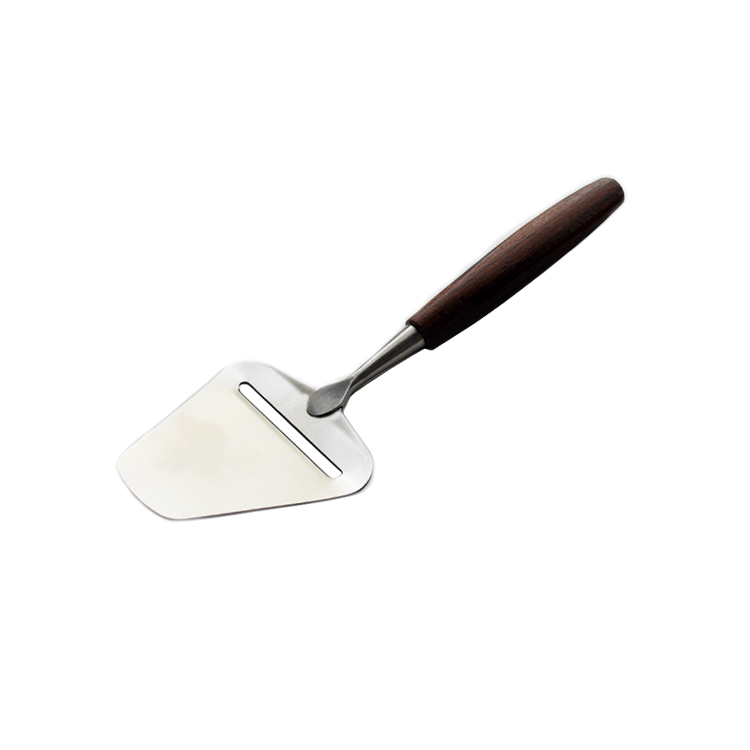
A cheese plane is a specialized kitchen tool designed for slicing cheese into thin, even pieces. It typically features a flat, wide blade with a handle, allowing for easy maneuvering across blocks of cheese. The design of a cheese plane helps create uniform slices, making it ideal for serving cheese on platters or for use in recipes.
- Blade: The blade is usually made of stainless steel, which is durable and easy to clean. Its flat surface allows for smooth slicing.
- Handle: The handle can be made from various materials, including wood, plastic, or metal, providing a comfortable grip while slicing.
Using a cheese plane is straightforward, but there are some techniques to ensure you get the best results.
1. Choose Your Cheese: Cheese planes work best with semi-hard to hard cheeses like Gouda, Gruyère, and aged Cheddar.
2. Position the Cheese: Place the block of cheese on a stable cutting board. Ensure it is secure to prevent slipping.
3. Slice with Care: Hold the cheese plane at a slight angle and press down gently as you slide it across the cheese. The blade will create thin slices that fall onto the board or plate.
4. Adjust Pressure: For thicker slices, apply more pressure; for thinner slices, use a lighter touch.
One of the primary advantages of using a cheese plane is the ability to create consistent, even slices. This uniformity is not only visually appealing but also ensures that each slice has the same flavor profile, enhancing the overall tasting experience.
Thin slices of cheese allow for quicker release of aromas and flavors. When cheese is sliced thinly, it reaches room temperature faster, which can enhance its taste. This is particularly important for cheeses with complex flavor profiles.
While primarily designed for cheese, a cheese plane can also be used for other foods. It can slice vegetables like cucumbers or even shave chocolate for desserts, making it a multifunctional tool in the kitchen.
When selecting a cheese plane, consider the following factors:
Opt for a cheese plane made of high-quality stainless steel. This material is not only durable but also resistant to corrosion and easy to clean.
Choose a cheese plane with a comfortable handle that fits well in your hand. Ergonomic designs can make slicing easier and more enjoyable.
The width of the blade can affect how much cheese you can slice at once. Wider blades are great for larger blocks of cheese, while narrower blades may be better for precision slicing.
After each use, clean your cheese plane with warm, soapy water. Avoid using abrasive cleaners that could scratch the blade. Most stainless steel cheese planes are also dishwasher safe, but check the manufacturer's instructions.
Store your cheese plane in a drawer or on a magnetic strip to keep it safe and easily accessible. Avoid placing it in a crowded drawer where it could get damaged.
A cheese plane is essential for creating beautiful cheese platters. Use it to slice a variety of cheeses, arranging them artfully on a board with fruits, nuts, and crackers.
Incorporate thin slices of cheese into recipes. Use a cheese plane to add layers of cheese to sandwiches, salads, or pasta dishes, enhancing flavor and presentation.
When hosting gatherings, a cheese plane can impress guests. Offer a selection of cheeses and let guests slice their own, making the experience interactive and fun.
A cheese plane is an invaluable tool for any cheese enthusiast. Its ability to create thin, even slices enhances the flavor and presentation of cheese, making it a must-have in the kitchen. Whether you're preparing a cheese platter for a gathering or simply enjoying a slice at home, a cheese plane can elevate your cheese experience.
1. What types of cheese are best for a cheese plane?
- Semi-hard to hard cheeses like Gouda, Gruyère, and aged Cheddar work best.
2. Can I use a cheese plane for other foods?
- Yes, cheese planes can also slice vegetables and shave chocolate.
3. How do I clean my cheese plane?
- Clean it with warm, soapy water and avoid abrasive cleaners.
4. What should I look for when buying a cheese plane?
- Look for high-quality stainless steel, a comfortable handle, and an appropriate blade width.
5. How can I use a cheese plane for entertaining?
- Offer a selection of cheeses and let guests slice their own for an interactive experience.


