

Views: 270 Author: Site Editor Publish Time: 2026-05-28 Origin: Site


Content Menu
>> The Definition of a Cheese Board
>> How to Build a Professional Cheese Board
>> Mastering the Art of the Charcuterie Board
>> Texture and Flavor Pairing Strategies
>> Conclusion
In the world of hosting and culinary aesthetics, few things are as universally loved as a beautifully arranged spread of snacks. Whether you are throwing an elegant dinner party, hosting a casual game night, or putting together a festive holiday platter, you have almost certainly encountered these two culinary powerhouses: the cheese board and the charcuterie board. While they are often used interchangeably in casual conversation, these terms actually refer to two distinct traditions that have evolved into the modern art form of grazing.
Understanding the difference between a cheese board and a charcuterie board is not just about pedantic labeling; it is about mastering the balance of flavor, texture, and historical context. When you know the nuances of each, you can intentionally curate a spread that perfectly matches the occasion, the wine, and the preferences of your guests.
At its heart, a cheese board is exactly what it sounds like: a curated selection of cheeses. The primary focus of this arrangement is to showcase the incredible variety of the cheesemaker's craft. A dedicated cheese board is an exploration of milk types, aging processes, and regional styles.
When assembling a traditional cheese board, the goal is to provide a tour of different flavor profiles. A well-designed board usually features a range of categories: fresh cheeses, soft-ripened varieties, semi-hard selections, and aged, hard cheeses. By layering these different types, you provide a sophisticated journey for the palate.
While the cheese board celebrates the dairy producer, a charcuterie board pays homage to the butcher. The term "charcuterie" comes from the French words "chair" (flesh) and "cuit" (cooked). Historically, it referred to the art of preparing, preserving, and cooking pork products to ensure that nothing went to waste.
A classic charcuterie board focuses on cured, smoked, or cooked meats. This includes items such as prosciutto, salami, chorizo, pâté, and sausages. The charcuterie board is a celebration of preservation techniques, showcasing the intense, savory, and often salty profiles that come from long-curing processes.
In contemporary entertaining, the lines have become significantly blurred. What most of us refer to as a "cheese board" today is actually a hybrid, a "charcuterie and cheese board." This is arguably the most popular way to entertain because it provides the ultimate variety. By combining the creamy, tangy richness of cheese with the savory, meaty depth of charcuterie, you create a balanced board that offers something for every guest.
To create a dedicated cheese board that stands out, focus on variety in milk sources and textures. Start with a foundation of three to five different cheeses.
* The Fresh Foundation: Include a goat cheese or a fresh mozzarella to provide a bright, clean starting point.
* The Soft-Ripened Classic: A wedge of high-quality Brie or Camembert adds an earthy, velvety element.
* The Firm Staple: An aged cheddar or a nutty Gruyère offers a satisfying chew and robust flavor.
* The Bold Finish: A punchy blue cheese provides the intensity needed to conclude the tasting.
Complement these selections with neutral accompaniments like artisanal crackers, honey, fresh grapes, and dried apricots. The key to a true cheese board is restraint—the cheese should always be the protagonist.
A true charcuterie board is a meat-lover's paradise. When focusing exclusively on charcuterie, the curation process is about balancing meat styles:
* Whole-Muscle Cures: Thinly sliced prosciutto or coppa, which provide delicate, melt-in-the-mouth textures.
* Salami and Sausages: Items like finocchiona or dry-cured salami that offer a firmer texture and a pop of spice.
* Spreads and Pâtés: Including a high-quality pâté or rillettes adds a sophisticated, spreadable dimension to the board.
Because meat can be intensely salty and rich, a charcuterie board demands acidic and crunchy accompaniments. Dijon mustard, cornichons, pickled onions, and olives are essential here to cut through the fat and cleanse the palate.
Regardless of whether you are focusing on cheese, meat, or both, the secret to success is contrast. If your board features a very salty, hard-cured salami, it pairs perfectly with a sweet fig jam or a mild, creamy cheese. If you have an intense, pungent blue cheese, consider serving it with something that provides a refreshing crunch, such as raw walnuts or fresh pear slices.
Creating an inviting board is also about temperature. Always pull your cheeses out of the refrigerator at least 45 minutes before guests arrive. Cold cheese is muted, whereas room-temperature cheese allows the butterfat to soften and the complex notes of the milk to fully express themselves.
1. Should I label the items on my board?
Yes, especially if you have guests with dietary restrictions or if you have selected unique, artisanal varieties. Small chalkboard labels or decorative cards add a professional touch and help guests identify what they are eating.
2. Is there a specific way to cut different cheeses?
Yes, cheese knives are designed for specific textures. Use a flat knife for breaking off chunks of hard cheese like Parmesan, a spreader for soft cheeses like Brie, and a pronged knife for slicing semi-hard blocks.
3. What is the best type of surface for a board?
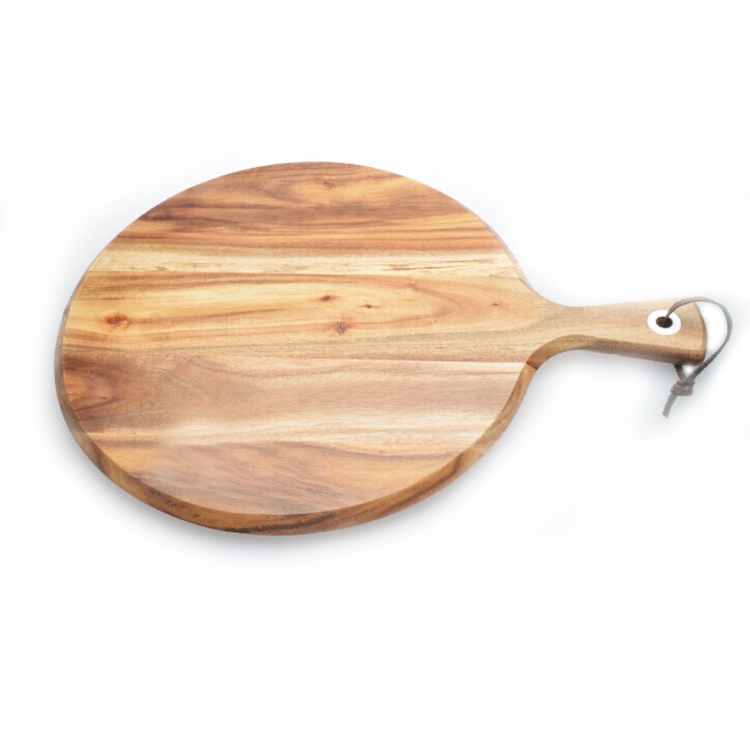
Wood, slate, and marble are the standard choices. Wood offers a rustic, warm aesthetic, while slate and marble stay cool, which can be beneficial if your room temperature is a bit warm.
4. How do I balance the quantities for a party?
A general rule of thumb for a combined board is to account for about 2 to 3 ounces of meat and 2 to 3 ounces of cheese per person. If you are serving it as an appetizer before a heavy meal, you can scale these portions down slightly.
5. Can a board be made entirely vegetarian?
Absolutely. You can create a stunning charcuterie-style board using vegetarian alternatives such as marinated artichokes, sun-dried tomatoes, roasted nuts, marinated olives, and even plant-based "meats" or savory mushroom pâtés.
Whether you choose to lean into the dairy-forward tradition of the classic cheese board, the meat-centric elegance of the charcuterie platter, or the crowd-pleasing versatility of a hybrid board, the principles of excellent hosting remain the same. It is about curation, contrast, and the shared joy of discovery. By understanding the distinct roles these two traditions play, you can elevate your entertaining from simple snacking to a sophisticated culinary experience that your guests will talk about long after the last morsel has vanished.


