

Views: 243 Author: HELLOKNIFE LTD Publish Time: 2026-09-16 Origin: Site


Content Menu
● Why Repeat Orders Matter More Than First Orders
● Butcher Knife Set vs Commercial Kitchen Knife Set
● Which Set Has Higher Repeat Orders?
>> Commercial Kitchen Knife Sets Usually Win on Repeat-order Frequency
>> Butcher Knife Sets Can Win on Order Value and Customer Loyalty
● The Real Driver: Replacement Cycle
>> Commercial Kitchen Replacement Triggers
>> Butcher Knife Replacement Triggers
● How Helloknife Builds Repeat-order Knife Programs
>> 1. Start with The Buyer's End Market
>> 2. Build a Set Around Real Tasks
>> 3. Design for Quality Consistency
● How to Choose The Best Repeat-order Strategy
● Product Quality Factors That Influence Reorders
>> Blade Material and Heat Treatment
>> Handle Comfort and Sanitation
>> Packaging and Replacement Availability
● Common Mistakes That Reduce Repeat Orders
● Faq
>> 1. Do Butcher Knife Sets Have Good Repeat-order Potential?
>> 2. Why Do Commercial Kitchen Knife Sets Sell Repeatedly?
>> 3. What Knives Should Be Included in a Commercial Kitchen Knife Set?
>> 4. What Knives Belong in a Butcher Knife Set?
>> 5. Should an OEM Buyer Sell Complete Sets or Individual Knives?
>> 6. What Should Buyers Check Before Ordering Commercial Kitchen Knives From China?
>> 7. Can Helloknife Customize Butcher Knives and Commercial Kitchen Knife Sets?
for Knife Brands, Wholesalers, Foodservice Distributors, and Private-label Buyers, The Question Is Not Simply which Knife Set Sells First. The More Important Question Is: butcher Knife Set vs Commercial Kitchen Knife Set—which Product Category Creates Higher Repeat Orders Over Time?
at helloknife Ltd, We Manufacture OEM and Private-label Knife Products for Overseas Brands, Wholesalers, Retailers, and Professional Foodservice Buyers. From Our Experience as a China-based Knife OEM Factory, The Answer Depends on The Customer Type, Replacement Cycle, Assortment Strategy, and Whether The Product Is Designed for Home Retail, Professional Kitchens, Butcher Shops, or Meat-processing Environments.
in Most Cases, commercial Kitchen Knife Sets Generate More Consistent Repeat-order Potential Because They Serve a Broader Group of Professional Users and Require Regular Replacement, Replenishment, Sharpening, and Expansion. However, a Properly Positioned Butcher Knife Set Can Create Stronger Repeat Business Within Specialized Meat-processing, Barbecue, Butcher-shop, Hunting, and Premium Outdoor Segments.
The Winning Product Is Not Necessarily The One with The Highest First-order Volume. It Is The One with The Best Combination of usage Frequency, Replenishment Demand, Reliable Quality, Clear Product Differentiation, and Flexible OEM Customization.
Key Takeaway: Commercial Kitchen Knife Sets Usually Offer a More Stable and Scalable Repeat-order Model. Butcher Knife Sets Can Produce Higher-value Repeat Orders When Targeted at Specialized Professional or Enthusiast Markets.
for Importers and Private-label Brands, Initial Orders Are Often Driven by Catalog Expansion, Promotional Launches, or a Buyer's Test of a New Supplier. Repeat Orders Are Different. They Show That a Product Has Earned a Place in The Customer's Purchasing Routine.
a Repeat Order Typically Means The Buyer Has Validated Several Things:
- The Knives Meet Expected Cutting Performance.
- The Product Survives Real Working Conditions.
- The Packaging and Labeling Work in The Target Market.
- The Price Supports an Acceptable Margin.
- The Supplier Can Maintain Quality Across Multiple Production Batches.
- End Users Are Satisfied Enough to Repurchase, Replace, or Expand Their Knife Assortment.
at Helloknife Ltd, We Encourage OEM Buyers to Evaluate Repeat-order Potential Before Finalizing Blade Profiles, Steel Grades, Handles, Packaging, and Set Configurations. a Low-cost Product That Creates Complaints, Returns, or Inconsistent Quality May Sell Once. a Well-designed Knife Line Is More Likely to Sell Repeatedly.
for Professional Users, Knife Performance Is Also Tied to Safety and Efficiency. a Dull or Poorly Maintained Knife Requires More Force During Cutting, Which Can Reduce Control. Commercial Users Commonly Hone Knives Between Shifts and Sharpen High-use Knives on a Recurring Schedule, Making Edge Retention, Corrosion Resistance, and Handle Durability Central Purchasing Factors.
The Fundamental Difference Is Not Just Blade Shape. It Is The Working Environment.
a butcher Knife Set Is Designed Primarily for Meat Processing, Trimming, Breaking, Boning, Skinning, Slicing, and Portioning. a commercial Kitchen Knife Set Is Designed for Wider Food-preparation Tasks, Including Vegetables, Proteins, Baked Goods, Fruit, Herbs, and General Mise En Place.
| Comparison Area | Butcher Knife Set | Commercial Kitchen Knife Set | Repeat-order Implication |
|---|---|---|---|
| Primary Users | Butchers, Meat Processors, Barbecue Operators, Hunters, Specialty Food Businesses | Restaurants, Hotels, Catering Companies, Culinary Schools, Central Kitchens, Foodservice Distributors | Commercial Kitchen Users Represent a Wider Buyer Base |
| Common Knives | Breaking Knife, Cimeter Knife, Boning Knife, Skinning Knife, Butcher Knife, Meat Cleaver | Chef Knife, Paring Knife, Utility Knife, Bread Knife, Boning Knife, Carving Knife, Santoku | More Knife Types Can Create More Replenishment Opportunities |
| Usage Pattern | Intensive But Task-specific | Continuous Daily Use Across Many Food-prep Tasks | Broad Daily Use Increases Replacement Demand |
| Buyer Motivation | Precision in Protein Processing, Hygiene, Durability, Grip Security | Kitchen Efficiency, Versatility, Staff Standardization, Food Safety | Commercial Buyers Often Reorder Standardized Sets Across Locations |
| Repeat-order Model | Strong in Specialist Accounts | Stronger Across Wider Foodservice Distribution | Commercial Sets Generally Have Higher Volume Potential |
| Brand Story | Craft, Meat Expertise, Bbq, Professional Processing | Professional Performance, Kitchen Workflow, Hospitality | Butcher Sets May Support Higher Perceived Value |
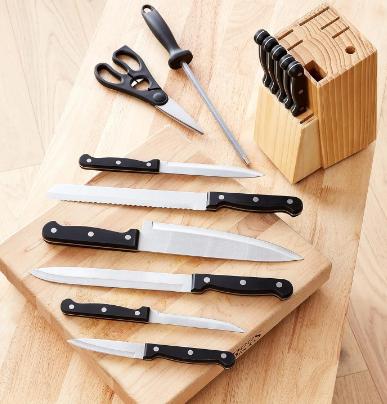
a Functional Commercial Kitchen Can Operate with a Core Group of Chef's, Paring, Serrated Bread, Boning, and Carving Knives. These Tools Cover The Broad Range of Food-preparation Tasks Found in Restaurants and Catering Operations. that Breadth Is One Reason Commercial Kitchen Knife Sets Tend to Support a Recurring Sales Cycle.
for Most OEM Brands and Wholesale Distributors, Commercial Kitchen Knife Sets Have The Stronger Long-term Repeat-order Profile. The Reason Is Simple: There Are More Potential Customers, More Users Per Location, and More Routine Replacement Triggers.
Restaurants and Foodservice Businesses Often Operate with Multiple Prep Stations, Rotating Shifts, Changing Staff, and Ongoing Wear on Equipment. a Single Restaurant May Need Different Knives for Vegetable Preparation, Bread Slicing, Protein Trimming, Carving, and General-purpose Tasks. a Restaurant Group, Hotel Chain, Culinary School, or Catering Company Can Multiply That Demand Across Many Locations.
Commercial Knives Also Experience Frequent Handling, Cleaning, Storage, and Sharpening. High-use Kitchen Knives May Require Sharpening Every Two to Four Weeks, While Lower-use Knives Can Go Longer Between Sharpening Cycles. over Time, This Usage Creates Opportunities for Replacement Orders, Spare Knives, Knife-set Upgrades, and Maintenance-related Sales. [gofoodservice]
a Butcher Knife Set May Not Reach The Same Broad Market Volume, But It Can Achieve Excellent Repeat Orders in The Right Niche.
Professional Butchers, Meat Distributors, Slaughterhouse Suppliers, Barbecue Operators, Seafood Processors, and Specialty Retailers Often Need Knives That Perform Specific Tasks Reliably. for Them, a Generic Chef Knife Set Is Not a Substitute for a Flexible Boning Knife, a Breaking Knife, a Cimeter Knife, or a Heavy-duty Meat Cleaver.
When a Butcher Knife Line Succeeds, Customers May Reorder Because Of:
- Blade Wear From High-volume Protein Processing.
- Replacement Needs for Boning and Breaking Knives.
- Expansion Into New Locations or Processing Stations.
- Demand for Hygienic, Easy-to-clean Handle Constructions.
- Seasonal Sales in Barbecue, Hunting, Gifting, and Specialty Meat Categories.
- Demand for Branded Professional Tools with a Recognizable Appearance.
The Difference Is That Butcher Knife Repeat Orders Are Often more Specialized and Less Predictable, While Commercial Kitchen Knife Repeat Orders Are Often more Regular and Scalable.
The Best Indicator of Repeat-order Potential Is Not Category Alone. It Is The Knife's replacement Cycle.
a Knife Line Creates Repeat Demand When The Buyer Understands When and Why a Replacement Is Needed. That Requires a Product Design That Balances Usable Service Life with a Clear Reason to Repurchase.
Commercial Kitchens May Reorder When:
- Chef Knives Lose Performance After Repeated Sharpening.
- Serrated Bread Knives Become Difficult to Restore.
- Handles Loosen, Crack, Fade, or Become Difficult to Clean.
- Staff Numbers Increase.
- New Restaurant Locations Open.
- a Buyer Standardizes a Knife Program Across Multiple Kitchens.
- a Distributor Needs Regular Stock Replenishment.
Professional Kitchens Should Wash Knives with Mild Soap, Dry Them Immediately, and Store Them Safely to Protect Both The Blade and The User. Proper Care Extends Usable Life, But Heavy Commercial Use Still Produces Recurring Demand for Sharpening, Replacement, and Upgraded Product Lines.
Butcher and Meat-processing Users May Reorder When:
- Boning Knives Lose Flexibility or Edge Stability.
- High-impact Cutting Damages Blade Edges.
- Meat Residue, Moisture, or Cleaning Chemicals Degrade Unsuitable Handles.
- The Operation Adds Additional Cutting Stations.
- Food-safety Requirements Encourage Replacement of Damaged Tools.
- The User Needs Different Blade Lengths for Different Protein Cuts.
for Butcher Knives, The Handle-to-blade Connection Is Especially Important. Buyers Should Prioritize Designs That Are Easy to Clean, Minimize Food-trapping Gaps, and Support Safe Handling in Wet or Greasy Working Conditions. Food-handling Equipment Standards Emphasize Sanitary Materials, Construction, Design, and Performance. [blog.ansi]
Helloknife Ltd Does Not Treat OEM Knife Manufacturing as a One-time Production Transaction. We Help Customers Create Knife Programs That Can Be Reordered Reliably, Expanded Gradually, and Adapted for Different Channels.
Our OEM Approach Begins with The End User. a Knife Set for a Supermarket Retail Brand Should Not Be Engineered Exactly Like a Knife Set for a Restaurant Supply Distributor. Likewise, a Premium Barbecue Butcher Set Should Not Use The Same Product Positioning as an Entry-level Commercial Prep Set.
Before Selecting Materials or Packaging, Identify The Selling Channel:
- Restaurant Supply and Foodservice Distribution.
- Hospitality and Hotel Procurement.
- Butcher Shop and Meat-processing Supply.
- Retail Cookware and Kitchenware.
- E-commerce Private-label Brands.
- Gift, Barbecue, Outdoor, and Specialty Food Markets.
- Culinary Schools and Training Kitchens.
This Determines The Right Balance Between Cost, Durability, Design, Certification Needs, Blade Assortment, and Packaging Format.
a Commercially Useful Set Should Solve Daily Work Problems, Not Simply Display Many Knives in a Box.
for Example, a Practical Commercial Kitchen Knife Set May Include:
1. an 8-inch Chef Knife for Versatile Prep Work.
2. a 3.5-inch Paring Knife for Precision Tasks.
3. a 10-inch Bread Knife for Crusty Bread and Pastries.
4. a 6-inch Boning Knife for Trimming Proteins.
5. a 10-inch Carving or Slicing Knife for Cooked Meats.
a Butcher-focused OEM Set May Include:
1. a Breaking Knife for Separating Larger Cuts.
2. a Flexible Boning Knife for Close-to-bone Trimming.
3. a Cimeter Knife for Slicing and Portioning.
4. a Skinning Knife for Controlled Skin Removal.
5. a Meat Cleaver or Butcher Knife for Heavier Tasks.
The Set Should Be Customizable by Blade Length, Steel, Handle Material, Finish, Logo Method, Packaging, and Accessory Options.
Repeat Orders Depend on Consistent Product Experience. a Buyer Must Be Able to Reorder Six Months Later and Receive a Product That Matches The Approved Sample in Blade Profile, Polishing, Handle Color, Edge Finish, Logo Placement, Packaging, and Carton Specifications.
for Private-label Knife Programs, Helloknife Can Support Customization Such As:
- Laser-etched or Printed Brand Logos.
- Custom Blade Finishes, Including Satin, Stonewashed, Black-coated, or Patterned Designs.
- Wood, Pom, Pp, Abs, Stainless Steel, G10-style, or Composite Handle Options.
- Color-coded Handles for Task Identification.
- Gift Boxes, Color Boxes, Blister Packaging, Kraft Packaging, and Custom Cartons.
- Knife Blocks, Blade Guards, Rolls, Magnetic Storage, and Gift-set Components.
- Product Combinations That Include Cheese Knives, Cheese Boards, Steak Knives, and Kitchen Accessories.
a Reliable OEM Supplier Should Also Maintain Approval Samples, Inspection Standards, Production Records, and Packaging Specifications. These Details Are Less Visible Than a Knife's Appearance, But They Are Essential to Repeat Purchase Confidence.
for Buyers Deciding Between a Butcher Knife Set and a Commercial Kitchen Knife Set, Use This Practical Framework.
| If Your Priority Is… | Better Starting Category | Recommended OEM Strategy |
|---|---|---|
| Large Foodservice Customer Base | Commercial Kitchen Knife Set | Build a Core Five-piece or Six-piece Professional Set |
| Restaurant and Hotel Distribution | Commercial Kitchen Knife Set | Offer Multiple Price Tiers and Replacement Skus |
| Meat Processing or Butcher Supply | Butcher Knife Set | Focus on Boning, Breaking, Cimeter, and Sanitation-friendly Handles |
| Premium Bbq or Gifting | Butcher Knife Set | Use a Strong Visual Story, Premium Packaging, and Branded Accessories |
| E-commerce Kitchen Brand | Commercial Kitchen Knife Set | Combine Versatile Knife Sets with Clear Use-case Content |
| Specialty Cheese and Charcuterie | Cheese Knife and Board Set | Add Steak Knives or Small Serving Knives for Cross-selling |
| Long-term Private-label Expansion | Both Categories | Begin with a Core Set, Then Add Individual Replacement Knives |
The Most Resilient Strategy Is Often a two-tier Product Architecture:
- a Commercial Kitchen Knife Set for Stable Foodservice Volume.
- a Specialized Butcher Knife Set for Higher-margin Niche Demand.
This Lets a Brand Serve Both General Culinary Customers and Protein-focused Professionals Without Forcing One Product Range to Solve Every Need.
Buyers Should Evaluate Steel Selection and Heat Treatment Based on The Target Market. a Professional Knife Must Deliver Practical Edge Retention, Corrosion Resistance, Sharpening Response, and Durability. The Best Steel Choice Is Not Always The Hardest or Most Expensive Option; It Is The One That Matches The User's Working Environment and Price Expectation.
for a Commercial Kitchen Line, The Priority Is Usually Dependable Daily Performance and Easy Maintenance. for a Butcher Line, Toughness, Grip Control, and Resistance to Aggressive Work Conditions May Matter More Than Decorative Details.
a Knife Can Have an Excellent Blade But Still Fail in The Market If The Handle Is Uncomfortable, Slippery, Poorly Sealed, or Difficult to Clean. Commercial Users Repeatedly Handle Knives During Long Shifts, Often Around Water, Oil, Raw Proteins, and Cleaning Agents.
Food-handling Equipment Standards Place Attention on Materials, Fabrication, Construction, Cleanability, and Performance. for Brands Selling Into Commercial Channels, Buyers Should Verify The Compliance Expectations in Their Own Destination Market Rather Than Making Unsupported Certification Claims.
Many Brands Focus on Retail Packaging But Overlook Replenishment. a Repeat-order Program Should Include:
- Full Knife Sets for First-time Buyers.
- Individual Knife Skus for Replacement.
- Spare Blade Guards or Knife Rolls.
- Upgrade Sets with Additional Specialty Knives.
- Easy-to-identify Product Codes and Carton Labels.
- Clear Care Instructions for End Users.
This Product Architecture Turns a Single Set Sale Into a Longer Customer Relationship.
Even a Visually Attractive Knife Set Can Fail to Generate Repeat Business If It Creates Avoidable Problems.
- Choosing Too Many Novelty Knife Shapes Instead of Useful Working Blades.
- Selecting a Steel Grade Without Considering Corrosion, Maintenance, and Sharpening Needs.
- Using Handles That Look Premium But Perform Poorly in Wet Commercial Conditions.
- Offering Only a Complete Set and No Replacement Knives.
- Changing Suppliers or Specifications Without Controlling Consistency.
- Using Generic Packaging That Does Not Communicate The Target User.
- Claiming Foodservice Certifications Without Verifiable Documentation.
- Ignoring After-sales Care Instructions and Sharpening Guidance.
a Buyer Should Also Remember That Knives Are Consumable Professional Tools. Honing Realigns a Rolled Edge, While Sharpening Removes Metal to Create a New Cutting Edge. clear Education Helps Customers Care for Knives Properly While Also Setting Realistic Expectations About Eventual Replacement.
commercial Kitchen Knife Sets Generally Have Higher Repeat-order Potential Because They Serve More Business Types, Support Broader Daily Tasks, and Create Recurring Demand Across Restaurants, Hotels, Catering Operations, Culinary Schools, and Foodservice Distributors.
butcher Knife Sets Can Generate Stronger Loyalty and Higher-value Orders When They Are Designed for Professional Meat Work, Barbecue, Specialty Retail, and Processing Environments. They Are Particularly Effective When The Buyer Needs Task-specific Blades Rather Than a General-purpose Kitchen Assortment.
for Most Private-label Brands, The Best Approach Is Not to Choose Only One Category. Start with a Versatile Commercial Kitchen Knife Set to Build Volume, Then Introduce a Butcher Knife Set for Specialized Users and Premium Positioning.
at helloknife Ltd, We Help Overseas Brands, Wholesalers, and Manufacturers Develop Customized Cheese Knives, Cheese Boards, Steak Knives, Butcher Knives, and Commercial Kitchen Knife Sets That Are Designed for Real Market Demand—not Just First-order Sales.
ready to Create a Repeat-order Knife Program for Your Brand? Contact Helloknife Ltd with Your Target Market, Preferred Knife Types, Logo Requirements, Packaging Concept, and Expected Order Quantity. We Can Help You Turn a Product Idea Into a Scalable OEM Knife Collection.
Yes. Butcher Knife Sets Can Create Strong Repeat Orders in Butcher Shops, Meat-processing Businesses, Barbecue Markets, Hunting Retailers, and Specialty Food Channels. Their Repeat-order Volume Is Usually Narrower Than Commercial Kitchen Sets, But Their Customer Loyalty and Average Order Value Can Be High.
Commercial Kitchens Use Knives Every Day Across Multiple Food-preparation Tasks. Restaurants, Hotels, Caterers, and Culinary Schools Also Need Replacement Knives, Additional Sets for Staff, and Standardized Tools for New Locations. This Creates Recurring Demand.
a Practical Commercial Set Often Includes a Chef Knife, Paring Knife, Bread Knife, Boning Knife, and Carving or Slicing Knife. This Core Combination Covers Many Routine Preparation Tasks in Professional Kitchens.
a Butcher Set Commonly Includes a Breaking Knife, Boning Knife, Cimeter Knife, Skinning Knife, and Meat Cleaver or Butcher Knife. Final Configurations Should Reflect The Intended Protein Type, User Skill Level, and Local Market Preferences.
Both. Complete Sets Are Ideal for Initial Purchases and Gifting, While Individual Knives Create an Important Replacement and Replenishment Channel. Offering Both Can Improve Customer Lifetime Value.
Buyers Should Evaluate Blade Material, Heat Treatment, Handle Construction, Corrosion Resistance, Logo Quality, Packaging, Consistency Standards, Destination-market Compliance Expectations, Samples, Inspection Procedures, Moq, and Production Lead Time.
Yes. Helloknife Ltd Provides OEM and Private-label Support for Custom Knife Designs, Logo Branding, Blade Finishes, Handle Materials, Packaging, Knife-set Configurations, Cheese Knife Sets, Cheese Boards, Steak Knife Sets, and Related Kitchen Cutlery Products.
1. [ansi Blog: Nsf/ansi 2-2025—food Handling Equipment] — Used for The Discussion of Food-handling Equipment Requirements Relating to Sanitary Materials, Design, Fabrication, Construction, and Performance. [blog.ansi]
2. [gofoodservice: Commercial Kitchen Knives—types, Uses & Care Guide] — Used for Professional Knife Categories, Core Commercial-kitchen Knife Types, Honing and Sharpening Distinctions, Sanitation Guidance, and High-use Sharpening Intervals. [gofoodservice]
3. [webstaurantstore: How to Clean a Knife] — Used for Knife Washing, Drying, Safety, and Storage Recommendations. [webstaurantstore]
4. [serious Eats: The Best Chef's Knives] — Used as Supporting Context for Hand-washing and Drying Kitchen Knives Rather Than Exposing Them to Dishwasher Conditions. [seriouseats]
5. [the New York Times Wirecutter: The Best Chef's Knife] — Used as Supporting Context for Knife Care, Protected Storage, Cutting-surface Selection, and Routine Honing. [nytimes]
6. [chef's Stop: Why an Nsf-certified Breaking Knife Matters in Food Service] — Used as Supporting Context for Material Safety, Cleanable Construction, Sanitation, and Durability Expectations in Foodservice Knife Selection. [chefstop]
Hot Tags: China, Global, Oem, Private Label, Manufacturers, Factory, Suppliers, Manufacturing Company


