

Views: 290 Author: Site Editor Publish Time: 2026-01-07 Origin: Site


Content Menu
● The Appeal of Wooden Handle Knives
>> Aesthetic and Traditional Value
● Performance in Professional Kitchens
>>> Care Tips for Wooden Handle Knives
>> Performance Comparison with Other Materials
● The Debate: Wooden vs. Synthetic Handles
Wooden handle knives have long been a staple in both home and professional kitchens. Their aesthetic appeal, comfort, and functionality make them a popular choice among chefs and cooking enthusiasts alike. However, the question remains: can wooden handle knives truly hold up in the demanding environment of a professional kitchen? In this article, we will explore the advantages and disadvantages of using wooden handle knives in professional settings, their care and maintenance, and why they might be the perfect addition to any chef's toolkit.
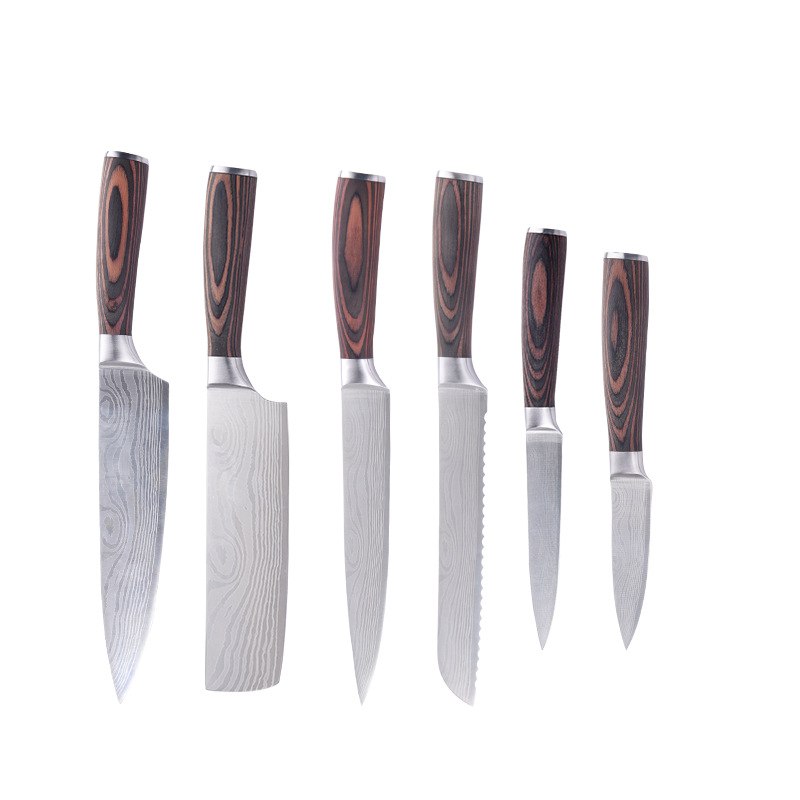
Wooden handle knives are often celebrated for their natural beauty and traditional craftsmanship. The unique grain patterns and colors of wood add a touch of elegance to any kitchen. Many chefs appreciate the connection to culinary history that wooden handles provide, as they have been used for centuries in various cultures around the world.
One of the primary reasons chefs prefer wooden handle knives is the comfort they offer. The smooth texture of wood feels natural in the hand, providing a secure grip that enhances control during food preparation. This ergonomic design is particularly beneficial during long cooking sessions, reducing hand fatigue and allowing for more precise cutting.
While wooden handle knives are known for their beauty and comfort, their durability in a professional kitchen can be a concern. High-quality wooden handles, made from dense hardwoods like walnut or rosewood, can withstand the rigors of daily use. However, they do require proper care to maintain their integrity.
1. Avoid Soaking: Wooden handles should never be soaked in water, as this can cause the wood to swell and crack.
2. Hand Wash Only: Always wash wooden handle knives by hand with mild soap and warm water. Avoid using a dishwasher, as the heat and moisture can damage the wood.
3. Regular Oiling: Applying mineral oil to the handle every few months can help maintain its luster and prevent drying or cracking.
When compared to synthetic materials like plastic or stainless steel, wooden handles can offer a more comfortable grip and a warmer feel. However, they may not be as resistant to moisture and bacteria as some modern materials. In professional kitchens, where hygiene is paramount, this can be a significant consideration.
- Aesthetic Appeal: Wooden handles are visually stunning and can enhance the overall look of kitchen tools.
- Comfort: They provide a comfortable grip, which is essential for prolonged use.
- Natural Insulation: Wood does not conduct heat as quickly as metal, making it safer to handle.
- Maintenance: Wooden handles require more care than synthetic options.
- Moisture Sensitivity: They can absorb moisture, leading to potential warping or cracking if not properly maintained.
- Hygiene Concerns: In some professional settings, there may be concerns about the potential for bacteria to harbor in wooden handles.
In conclusion, wooden handle knives can certainly be used in professional kitchens, provided they are of high quality and well-maintained. Their aesthetic appeal, comfort, and ergonomic design make them a valuable tool for chefs. However, it is essential to be aware of the care requirements and potential hygiene concerns associated with wooden handles. With proper maintenance, wooden handle knives can be a durable and beautiful addition to any culinary arsenal.
1. What types of wood are best for knife handles?
- Hardwoods like walnut, rosewood, and maple are popular choices due to their durability and aesthetic appeal.
2. How do I care for my wooden handle knife?
- Hand wash with mild soap, avoid soaking, and apply mineral oil regularly to maintain the wood.
3. Can wooden handle knives be used in commercial kitchens?
- Yes, they can be used, but proper care and maintenance are crucial to ensure longevity.
4. Are wooden handles more hygienic than synthetic ones?
- Wood has natural antibacterial properties, but it requires proper care to prevent moisture absorption.
5. What are the advantages of using wooden handle knives?
- They offer comfort, aesthetic appeal, and a traditional feel that many chefs prefer.


