



Explore top cheese board set manufacturers and suppliers in Vietnam, plus HELLOKNIFE LTD, a China-based OEM alternative. Compare supplier capabilities, private-label options, food-contact checks, sample approval, and landed costs to plan a coordinated cheese board and knife collection for your brand.

Want a more customized factory profile? Share your product type, coating colors, certifications, equipment, and quality-control capabilities, and we can tailor this copy accordingly.

This guide explains how to choose steak knives by comparing serrated and straight edges, blade shape, steel, handle comfort, balance, construction, set size, price, care, and storage. It includes a practical buying checklist and answers common questions so readers can select knives that suit their meals, preferences, and maintenance habits.

This guide explains how to choose and use cheese knives for soft, semi-soft, hard, and crumbly cheeses. Learn safe cutting techniques, serving-board setup, knife cleaning, common mistakes, food-safety basics, and practical answers to frequently asked questions for easier, neater cheese service.
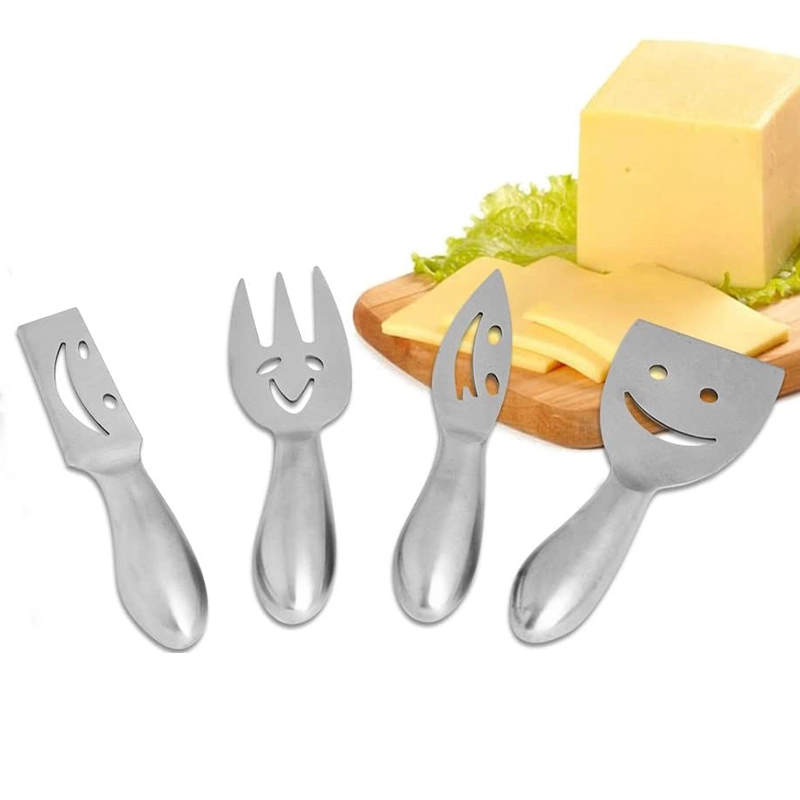
Cheese spreader knife vs jam spreader knife: explore blade shapes, jar access, materials, cleaning, and practical sample testing. Discover how HELLOKNIFE LTD helps international brands, wholesalers, and manufacturers develop custom OEM spreaders for cheese boards, breakfast collections, and gift sets.

This guide explains the main types of cheese knives and how to use them, from perforated soft-cheese knives and spreaders to cleavers, slicers, and Parmesan knives. Learn which tools suit Brie, cheddar, blue cheese, and aged varieties, plus practical advice for serving, choosing a set, cleaning, and safe storage.


