Views: 290 Author: Site Editor Publish Time: 2026-10-09 Origin: Site


Content Menu
>> How We Approach PVD Coating
>>> 1. Review the Part and Application
>>> 3. Deposit the Coating in a Vacuum
>>> 4. Inspect the Finished Parts
>> Why Choose PVD Surface Treatment?
>> Sources
At our factory, we provide professional Physical Vapor Deposition (PVD) surface treatment to enhance the appearance and performance of compatible components. PVD is a vacuum coating process in which a solid coating material is converted into vapor and deposited as a thin film onto a prepared surface. Depending on the coating material and application, PVD can improve wear resistance and surface durability while creating a refined finish.
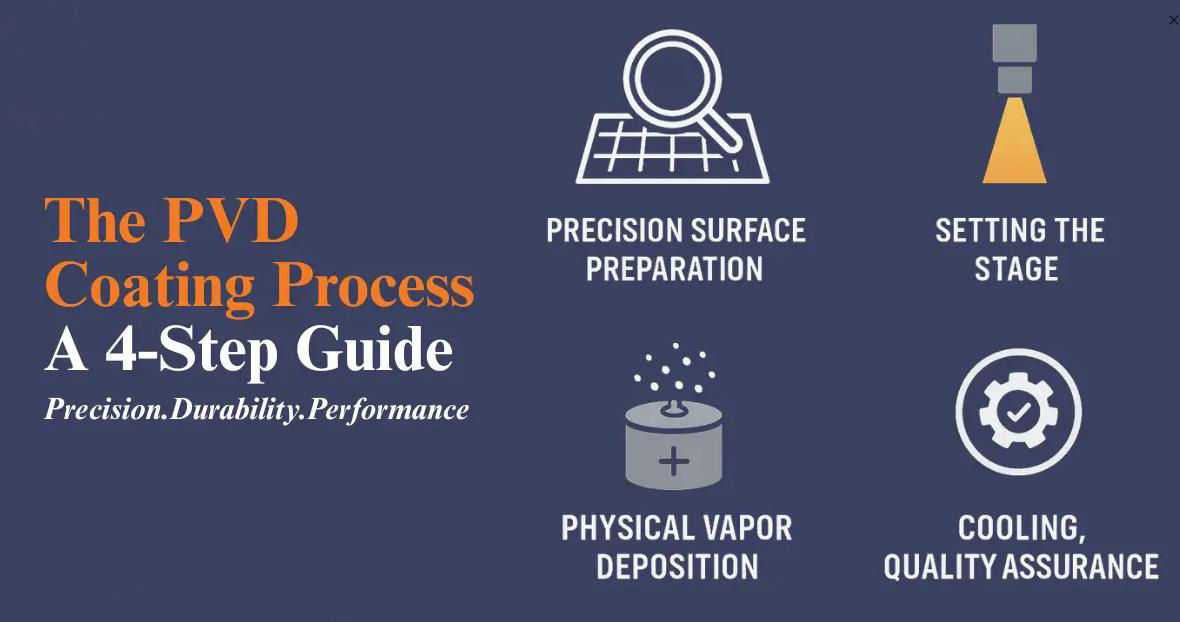
A dependable finish begins well before the coating chamber is started. Surface condition, part geometry, base material, and the intended use all influence the result. Our process focuses on preparing components carefully, selecting a suitable coating route, and checking finished parts against agreed requirements.
We first review the component, its base material, shape, surface condition, and the demands of its end use. This helps determine whether PVD is appropriate and what finish and performance characteristics are priorities. Where needed, customers can provide drawings, samples, and requirements for color, appearance, or functional performance.
The component surface must be clean and properly prepared for coating. Oils, residues, and surface defects can affect the final appearance and coating adhesion, so cleaning and preparation are important stages. The exact preparation method depends on the part material and condition.
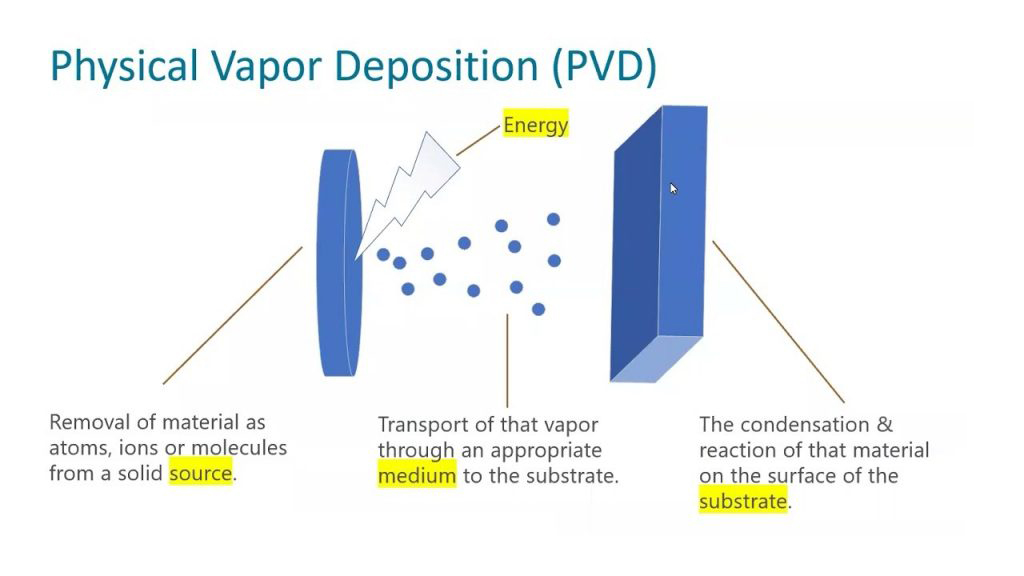
PVD takes place in a vacuum chamber. A coating material is vaporized through a physical process such as evaporation or sputtering; the resulting particles travel through the chamber and deposit onto the component as a thin film.
After coating, parts are reviewed for appearance and conformity with the agreed specifications. Inspection criteria can be tailored to the project, including visual checks and other appropriate evaluations. Requirements should be confirmed before production so that acceptance standards are clear.
PVD is used in decorative and functional applications because it can provide a durable thin-film finish and a wide range of visual effects. The performance of a coating depends on the coating material, substrate, preparation, process conditions, and the component's operating environment; results should therefore be evaluated for the specific application.
- Durable finish: PVD coatings can help improve resistance to wear and surface damage.
- Refined appearance: The process can produce attractive finishes in a range of colors, subject to the coating system and specification.
- Thin-film coating: PVD deposits a functional film without relying on conventional wet plating.
- Application flexibility: Coating selection can be matched to different parts and performance priorities.
We work to provide consistent processing, clear communication, and coating solutions tailored to each project. From initial review through surface preparation and final inspection, our team focuses on the details that influence finish quality and repeatability.
To assess a project, please share the part material, dimensions, drawings or sample, target finish, expected quantity, and intended use. These details help us review feasibility and recommend an appropriate PVD treatment.
Contact us to discuss your components and PVD coating requirements. We will work with you to identify a suitable finish and define the specifications for your project.
*Note: Coating performance and achievable finishes vary by substrate, coating system, part geometry, and service conditions. Please confirm requirements with our team before production.*
Want a more customized factory profile? Share your product type, coating colors, certifications, equipment, and quality-control capabilities, and we can tailor this copy accordingly.
- PVD coating overview and process.
- PVD coating benefits and application considerations.
- Review of PVD deposition processes.