
Views: 290 Author: Site Editor Publish Time: 2026-01-30 Origin: Site


Content Menu
● The Origins of the Butter Knife
>> The Emergence of the Butter Knife
● The Victorian Era: A Time of Change
>> The Rise of Individual Butter Plates
● The 20th Century: Standardization and Practicality
>> The Shift to Stainless Steel
>> The Butter Knife in Modern Dining
● Cultural Significance of the Butter Knife
>> Butter Knives in Different Cultures
● The Future of the Butter Knife
>> Sustainability and Eco-Friendly Options
The butter knife, a seemingly simple utensil, has a rich and fascinating history that reflects changes in dining etiquette, culinary practices, and even social norms. This article delves into the origins, evolution, and cultural significance of the butter knife, exploring how this humble tool has become an essential part of our dining experience.
The concept of using a knife to spread food dates back to ancient civilizations. Early humans used rudimentary tools made from stone or bone to manipulate food. As societies evolved, so did their utensils. By the Middle Ages, knives were common at dining tables, but they were primarily used for cutting rather than spreading.
The butter knife as we know it began to take shape in the 17th century. During this time, butter was often served in communal dishes, and diners would use their own knives to take portions. This practice led to the need for a specialized knife that could spread butter without tearing the bread.
The Victorian era marked a significant shift in dining customs. The introduction of individual butter plates allowed for the use of dedicated butter knives. These knives were designed with rounded edges to prevent tearing bread and were often ornately decorated, reflecting the opulence of the time.
During the Victorian period, butter knives became more than just functional tools; they were also symbols of status. Many were crafted from silver or featured decorative handles made from materials like mother-of-pearl or ivory. This era saw the creation of various styles, including the flat blade and the serrated edge, catering to different preferences and uses.
As the 20th century progressed, the materials used for butter knives began to change. Stainless steel became the preferred choice due to its durability and ease of maintenance. This shift reflected broader trends in kitchenware, where functionality often took precedence over ornate designs.
Today, butter knives are a staple in both casual and formal dining settings. They are typically included in place settings alongside other utensils, emphasizing their role in enhancing the dining experience. The design has also evolved to include ergonomic features, making them easier to use for people of all ages.
In many cultures, the presence of a butter knife at the dining table signifies hospitality and warmth. It invites guests to partake in shared meals and encourages a sense of community. The act of spreading butter on bread can be seen as a gesture of care and consideration.
While the butter knife is most commonly associated with Western dining practices, similar utensils exist in various cultures. For example, in some Asian cuisines, specialized knives are used for spreading sauces or pastes, highlighting the universal need for tools that facilitate sharing food.
As culinary trends continue to evolve, so too will the butter knife. Innovations in materials and design may lead to new functionalities, such as knives that can easily spread harder butters or those that incorporate features for enhanced grip.
With a growing emphasis on sustainability, the future of butter knives may also include eco-friendly materials. Manufacturers are exploring options like bamboo or recycled metals, catering to environmentally conscious consumers.
The history of the butter knife is a testament to the evolution of dining practices and the importance of shared meals in human culture. From its humble beginnings to its status as a dining essential, the butter knife has adapted to meet the needs of society while remaining a symbol of hospitality and warmth.
1. What is the primary purpose of a butter knife?
- The primary purpose of a butter knife is to spread butter and other soft spreads on bread or toast.
2. When did the butter knife first appear?
- The butter knife began to emerge in the 17th century, coinciding with changes in dining customs and the introduction of individual butter plates.
3. What materials are commonly used to make butter knives?
- Butter knives are typically made from stainless steel, plastic, or other durable materials, with some vintage models crafted from silver or decorative materials.
4. How has the design of the butter knife changed over time?
- The design of the butter knife has evolved from ornate, decorative styles in the Victorian era to more practical and ergonomic designs in modern times.
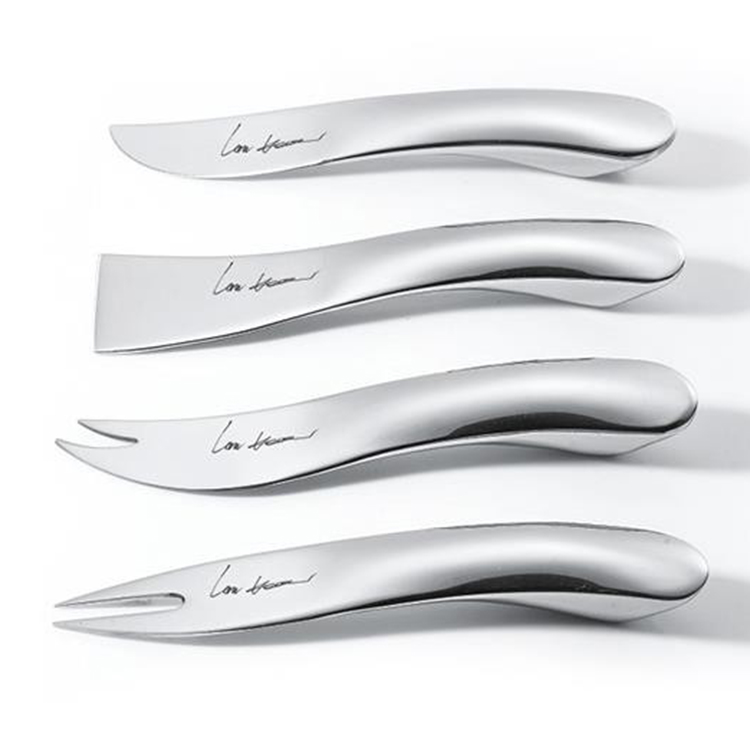
5. Are there different types of butter knives?
- Yes, there are various types of butter knives, including flat blade knives, serrated knives, and specialized butter curlers, each designed for specific uses.


