

Views: 290 Author: Site Editor Publish Time: 2025-12-03 Origin: Site


Content Menu
● Understanding Your Bread Knife
>> Key Features of a Bread Knife
>> Hand Washing
>> Using the Right Cutting Surface
A bread knife is an essential tool in any kitchen, designed specifically for slicing bread without crushing its delicate interior. To ensure that your bread knife remains sharp and effective, proper maintenance is crucial. In this article, we will explore various methods for maintaining your bread knife, including cleaning, sharpening, and storage techniques.
A bread knife is characterized by its long, serrated blade, typically ranging from 8 to 10 inches in length. The serrations allow the knife to grip and slice through tough crusts while preserving the soft interior of the bread. Unlike regular knives, which require a downward chopping motion, bread knives are used in a sawing motion, making them ideal for various types of bread.
- Serrated Blade: The serrated edge is designed to cut through crusty surfaces without crushing the soft interior.
- Length: A longer blade provides the reach needed to slice through larger loaves.
- Design: The blade is often slightly curved, allowing for a smooth sawing motion.
To maintain the integrity of your bread knife, it is essential to clean it properly. Here are some steps to follow:
1. Use Warm, Soapy Water: After using your bread knife, wash it by hand with warm, soapy water. Avoid using abrasive sponges, as they can scratch the blade.
2. Rinse Thoroughly: Rinse the knife under warm water to remove any soap residue.
3. Dry Immediately: Use a soft cloth or paper towel to dry the knife immediately after washing. This helps prevent rust and corrosion.
Never put your bread knife in the dishwasher. The high heat and harsh detergents can damage the blade and handle, leading to dullness and potential warping.
A bread knife typically requires less frequent sharpening than other knives due to its serrated edge. However, it is essential to sharpen it when you notice it struggling to cut through bread cleanly.
1. Using a Honing Rod: A honing rod can help maintain the edge of your bread knife. Hold the knife at a slight angle and run the serrated edge along the rod, ensuring you sharpen each serration.
2. Professional Sharpening: For a more thorough sharpening, consider taking your bread knife to a professional. They can ensure that the serrations are sharpened correctly without damaging the blade.
How you store your bread knife can significantly impact its longevity. Here are some effective storage methods:
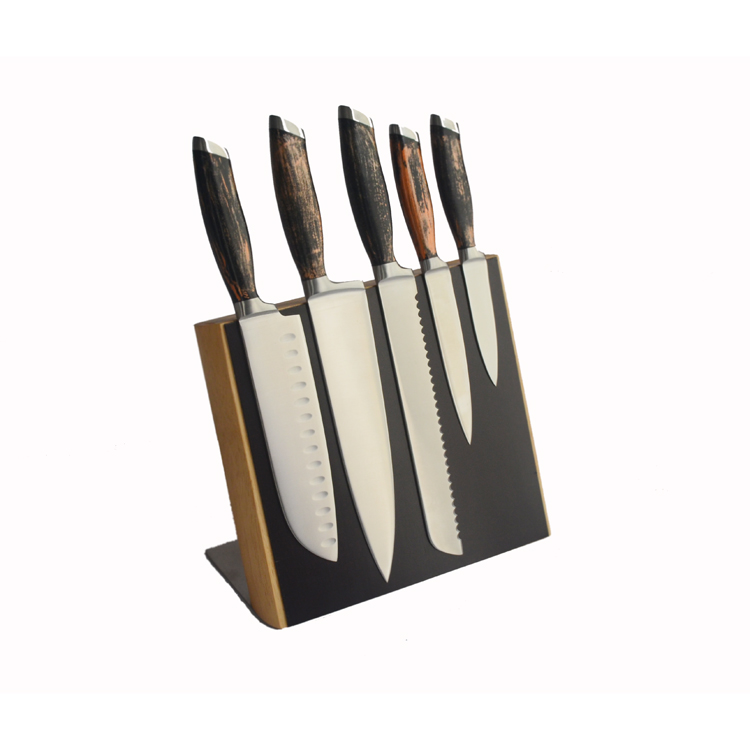
1. Knife Block: Store your bread knife in a wooden knife block. This protects the blade and keeps it dry.
2. Magnetic Knife Strip: A magnetic knife strip allows for easy access while keeping the knife safe from damage. It also promotes airflow around the blade, reducing the risk of corrosion.
Avoid storing your bread knife in a drawer without protection, as this can lead to dulling and damage to the blade. Always ensure that the knife is stored in a way that protects its edge.
Regularly inspect your bread knife for any signs of damage or dullness. If you notice any chips or significant dullness, it may be time for professional sharpening.
To prevent rust and maintain the blade's condition, consider applying a thin layer of food-safe mineral oil to the blade after cleaning. This helps protect the steel and keeps it looking new.
Always use a wooden or plastic cutting board when slicing bread. Hard surfaces like glass or ceramic can dull the blade more quickly.
Maintaining your bread knife is essential for ensuring its longevity and effectiveness. By following proper cleaning, sharpening, and storage techniques, you can keep your bread knife in excellent condition for years to come. A well-maintained bread knife will provide clean, even slices of bread, enhancing your baking and cooking experience.
1. How often should I sharpen my bread knife?
You should sharpen your bread knife when you notice it struggling to cut through bread cleanly, typically every few months.
2. Can I use a bread knife for other foods?
Yes, a bread knife can also be used for slicing tomatoes, cakes, and other foods with tough exteriors and soft interiors.
3. What is the best way to clean my bread knife?
Hand wash your bread knife with warm, soapy water and dry it immediately to prevent rust.
4. Is it safe to put my bread knife in the dishwasher?
No, you should never put your bread knife in the dishwasher, as the heat and detergents can damage the blade and handle.
5. What type of cutting board should I use with my bread knife?
Use a wooden or plastic cutting board to avoid dulling the blade. Hard surfaces like glass or ceramic can damage the knife.


