

Views: 280 Author: Site Editor Publish Time: 2025-11-29 Origin: Site


Content Menu
>> Why Are Cheese Tools Important?
● How to Use Cheese Tools Effectively
>> Choosing the Right Tool for the Cheese Type
>>> Soft Cheeses
>>> Hard Cheeses
● Creative Ways to Serve Cheese
Cheese tools are specialized utensils designed to cut, slice, serve, and enjoy cheese. They come in various shapes and sizes, each tailored for different types of cheese. From soft brie to hard parmesan, the right tool can make a significant difference in how you enjoy your cheese.
Using the appropriate cheese tools not only enhances the presentation of your cheese platter but also affects the taste and texture of the cheese. For instance, using a knife designed for soft cheese can prevent it from sticking, while a sturdy cleaver is essential for hard cheeses.
A soft cheese knife typically has a thin, perforated blade that prevents soft cheeses from sticking. This knife is perfect for cheeses like brie and camembert.
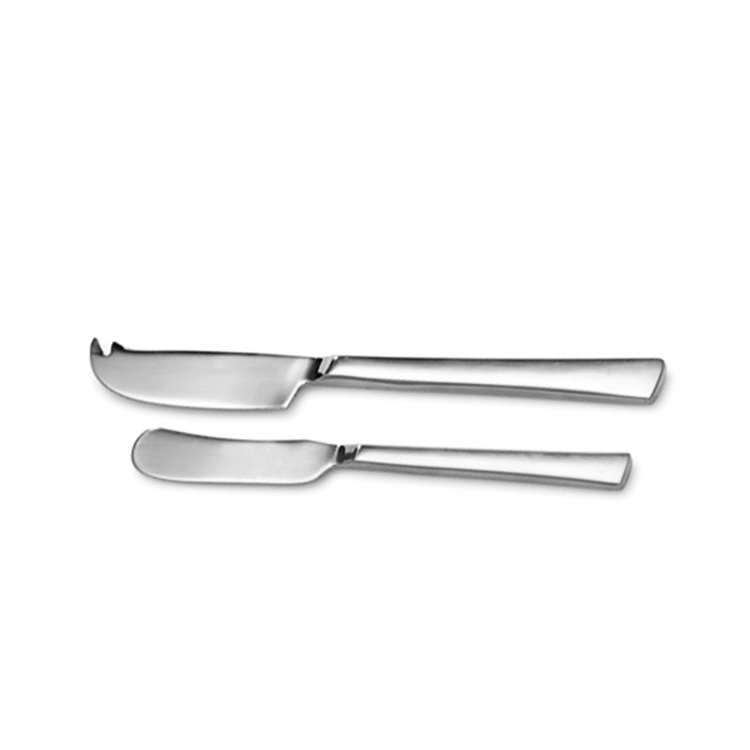
A hard cheese knife is designed with a thicker blade to handle the density of hard cheeses like parmesan and aged gouda. These knives often have a chisel-like edge for easy cutting.
Cheese slicers are essential for creating uniform slices of cheese. They come in various designs, including wire slicers and handheld options.
Cheese spreaders are perfect for soft cheeses and spreads. They usually have a wide blade that allows for easy spreading on crackers or bread.
Cheese forks are used for serving cheese. They typically have two prongs that allow you to pick up cheese without damaging it.
A good cheese board is essential for serving cheese. It provides a beautiful presentation and can be made from various materials, including wood, marble, or slate.
For soft cheeses like brie or camembert, use a soft cheese knife. The thin, perforated blade will help you cut without squishing the cheese.
For semi-hard cheeses like gouda or cheddar, a semi-hard cheese knife or a standard chef's knife works well. These knives can handle the density without damaging the cheese.
When dealing with hard cheeses like parmesan, a hard cheese knife or a cleaver is essential. These knives are designed to chip away at the cheese without crumbling it.
When slicing soft cheese, use a gentle sawing motion with your knife. Avoid pressing down too hard, as this can cause the cheese to stick to the blade.
For hard cheeses, apply more pressure and use a chisel-like motion. Start by cutting the cheese into manageable pieces before slicing it into smaller portions.
Use a cheese fork to serve cheese, ensuring that you maintain the integrity of the cheese. For soft cheeses, a spreader is ideal for serving.
After use, clean your cheese tools with warm soapy water. Avoid putting them in the dishwasher, as this can damage the blades.
Create a stunning cheese platter by combining various cheeses, fruits, nuts, and spreads. Use your cheese tools to arrange everything beautifully.
Pairing cheese with the right wine can elevate your tasting experience. Soft cheeses pair well with white wines, while hard cheeses complement red wines.
Consider creating themed cheese boards for different occasions, such as a Mediterranean board with olives and hummus or a dessert board with sweet cheeses and fruits.
Investing in the right cheese tools can significantly enhance your cheese experience. From knives to slicers and boards, each tool plays a vital role in how you enjoy and serve cheese. By understanding the different types of cheese tools and how to use them effectively, you can create beautiful and delicious cheese platters that impress your guests.
1. What is the best knife for cutting soft cheese?
- A soft cheese knife with a thin, perforated blade is ideal for cutting soft cheeses like brie.
2. Can I use a regular kitchen knife for cheese?
- While you can use a regular kitchen knife, it's best to use specialized cheese knives for optimal results.
3. How do I clean my cheese tools?
- Clean your cheese tools with warm soapy water and avoid using a dishwasher.
4. What types of cheese should I include on a cheese platter?
- Include a variety of cheeses, such as soft, semi-soft, and hard cheeses, along with fruits and nuts for balance.
5. How can I pair cheese with wine?
- Soft cheeses pair well with white wines, while hard cheeses are best with red wines.


