

Views: 290 Author: Site Editor Publish Time: 2026-06-06 Origin: Site


Content Menu
>> The Science of Stainless Steel and Corrosion
>> The Dishwasher Environment: Friend or Foe?
>> Best Practices for Dishwasher Safety
>> Hand-Washing: The Gold Standard for Longevity
>> Maintenance and Restoration
>> Understanding the Quality of Your Steel
>> Conclusion
In the modern kitchen, convenience often battles with preservation. We invest in high-quality stainless steel flatware, appreciating its shine, weight, and durability, only to wonder how best to maintain that pristine condition over the years. A frequent question that arises among home cooks and dinner party hosts is whether these refined tools, specifically the delicate salad fork, are truly safe for the harsh environment of a dishwasher. Understanding the relationship between stainless steel, heat, detergents, and water is key to keeping your silverware looking like new for decades.
To answer the question, we must first understand what "stainless" really means. Stainless steel is an alloy, primarily composed of iron, chromium, and sometimes nickel or molybdenum. The "stainless" quality is derived from a thin, passive layer of chromium oxide that forms on the surface of the metal, protecting the iron from oxidation—or rust.
While robust, this protective layer is not invincible. Dishwashers subject cutlery to several potential stressors: high temperatures, abrasive detergents, long soak times, and mineral-heavy water. While stainless steel is inherently corrosion-resistant, these combined factors can strip the protective layer or cause pitting and staining if the metal is not properly cared for.
The dishwasher is a marvel of efficiency, but it operates in a way that can be aggressive toward metal surfaces. The primary concerns for your stainless steel salad forks are as follows:
* Detergent Chemistry: Many modern dishwasher detergents are highly concentrated and contain aggressive chemical agents meant to break down grease and food debris. These agents, especially those with chlorides or citrus additives, can be corrosive to stainless steel if they remain on the surface for extended periods.
* Thermal Expansion: The heat of a standard wash cycle, and especially the heat of the drying cycle, causes the metal to expand. Rapid cooling or extreme temperature fluctuations can sometimes influence the microscopic structure of the surface, making it more susceptible to "tea staining" or surface cloudiness.
* Mineral Deposition: In areas with "hard water," the mineral content can leave behind unsightly spots or a milky film on your cutlery. Over time, these mineral deposits can accumulate and dull the reflective finish of your forks.
So, is it "okay" to put them in the dishwasher? Yes, it is generally acceptable, provided you follow a few essential guidelines to minimize risk:
The first rule is to avoid crowding. If your salad forks are packed too tightly together, water cannot circulate, and food debris may get trapped. Furthermore, you should load them tines-up or tines-down according to your manufacturer's instructions to ensure they get clean without scratching each other.
Avoid detergents that are labeled as heavy-duty or contain harsh bleaching agents. Choosing a mild, phosphate-free liquid or gel is significantly gentler on your flatware than abrasive powder tablets.
The drying cycle is often the most damaging part of the process. The combination of intense heat and residual moisture can accelerate the spotting process. If your dishwasher has a "heated dry" or "sanitary" setting, consider turning it off and letting your forks air dry by simply opening the door once the cycle ends.
While dishwashers are convenient, there is no denying that hand-washing remains the safest way to maintain the mirror finish of fine stainless steel. Hand-washing allows you to rinse away detergents and acidic food residues immediately, preventing them from interacting with the metal.
If you choose to hand-wash, always use a soft cloth or a non-abrasive sponge. Avoid scouring pads or steel wool, as these will permanently scratch the polished surface of your salad forks, creating grooves where food and moisture can hide.
Even with the best care, stainless steel can sometimes lose its luster. If you notice a dull film, a simple mixture of warm water and a splash of white vinegar can restore the shine. Simply wipe down the forks, rinse them thoroughly, and dry them with a soft, clean towel. If you are dealing with deeper stains or discoloration, a dedicated stainless steel polish can work wonders, provided you follow the grain of the metal during application.
It is worth noting that not all stainless steel is created equal. The grade of the steel makes a massive difference in how well it holds up to dishwashing. Look for markings on the back of your cutlery, such as 18/10 or 18/8. The first number refers to the chromium content, and the second to the nickel content. Higher nickel content provides better resistance to corrosion and a deeper, more luxurious shine. If your forks are of a lower grade, they will be significantly more prone to pitting in the dishwasher, regardless of how gentle your detergent is.
Putting your stainless steel salad forks in the dishwasher is safe if you respect the limitations of the material. By choosing mild detergents, avoiding excessive heat cycles, and drying your forks promptly, you can enjoy the convenience of modern technology without sacrificing the beauty of your tableware. Ultimately, taking these small steps ensures that your cutlery remains a centerpiece of your dining experience for a lifetime.
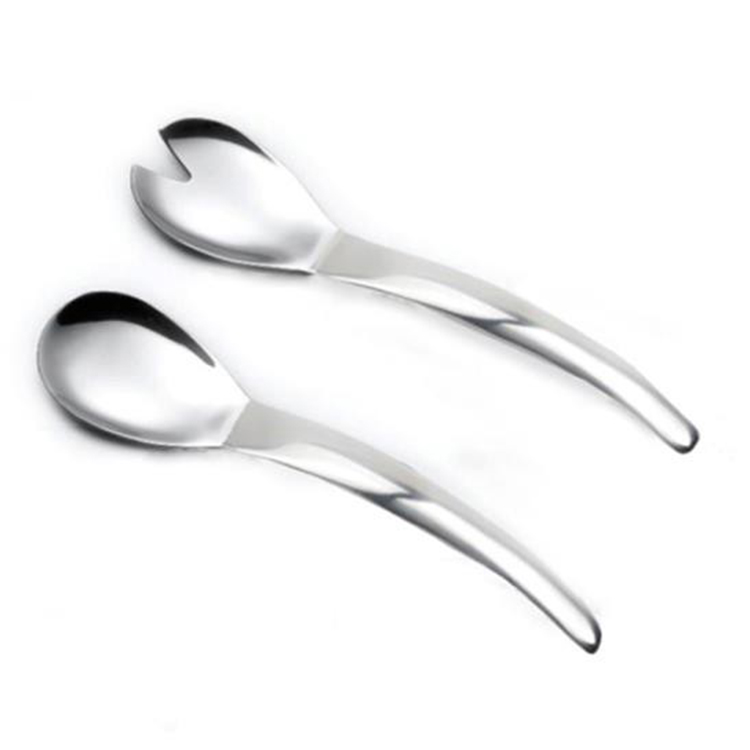
1. Does soaking forks in water before washing them damage the metal?
Prolonged soaking can be harmful, especially if there are acidic food particles like tomato or lemon juice remaining on the forks, which can cause surface corrosion or "pitting."
2. Can I use baking soda to clean my stainless steel forks?
Yes, a gentle paste of baking soda and water can be used as a mild abrasive to remove stubborn spots, provided you wipe very gently and rinse well.
3. What should I do if my forks have rust spots?
If you see small rust spots, these are often just surface deposits. Use a soft cloth with a mild stainless steel cleaner or a vinegar-water mix to gently buff them out.
4. Why do my forks look cloudy after dishwasher use?
Cloudiness is typically caused by hard water mineral buildup or a residue from dishwasher detergent that hasn't been completely rinsed away.
5. How can I keep my forks from scratching in the dishwasher?
Avoid mixing different types of metals in the basket, and ensure the forks are not touching each other too closely, which prevents the metal-on-metal rubbing that leads to micro-scratches.


