

Views: 290 Author: Site Editor Publish Time: 2025-12-02 Origin: Site


Content Menu
● Understanding Serrated Knives
>> The Anatomy of a Serrated Knife
● Advantages of Using Serrated Knives for Meat
● How to Use a Serrated Knife Effectively
>> 1. Use a Gentle Sawing Motion
● Caring for Your Serrated Knife
● Common Myths About Serrated Knives
>> Myth 1: Serrated Knives Are Only for Tough Meats
>> Myth 2: Serrated Knives Cannot Be Sharpened
>> Myth 3: All Serrated Knives Are the Same
When it comes to cutting meat, the debate between serrated and straight-edge knives is a long-standing one. Many chefs and home cooks have their preferences, but serrated knives often come out on top for a variety of reasons. This article will explore why serrated knives are better for all types of meats, their advantages, and how to use and care for them effectively.
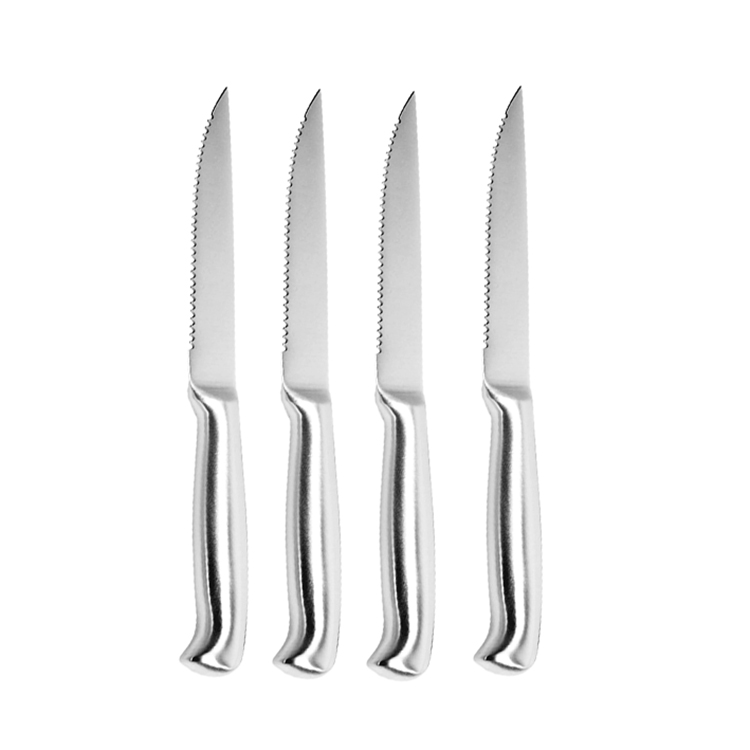
Serrated knives feature a blade with a jagged edge, resembling a saw. This design allows the knife to grip and cut through tougher materials, making it particularly effective for slicing meats, bread, and other foods with a hard exterior and soft interior.
A typical serrated knife has a long blade with a series of small, sharp teeth. These teeth help the knife to grip the meat, allowing for a sawing motion that can cut through fibers without tearing. The design is particularly beneficial for cutting through crusty bread or tough cuts of meat.
One of the primary benefits of serrated knives is their ability to cut through tough meats with minimal effort. The serrations grip the meat, allowing for a smooth cutting experience without the need for excessive pressure. This is especially useful for cuts like brisket or ribeye, which can be challenging to slice with a straight-edge knife.
When cutting meat, maintaining the juices is crucial for flavor and tenderness. Serrated knives tend to tear less than straight-edge knives, which can lead to significant juice loss. The sawing action of a serrated knife allows for cleaner cuts, preserving the meat's natural juices and enhancing the overall eating experience.
Serrated knives are not just for steak; they can handle a variety of meats, including poultry, pork, and even fish. Their design allows them to tackle different textures and densities, making them a versatile tool in the kitchen.
Serrated knives generally stay sharper longer than their straight-edged counterparts. The design means that only the tips of the serrations make contact with the cutting surface, reducing wear and tear. This longevity makes them a practical choice for those who want a reliable knife without frequent sharpening.
When using a serrated knife, employ a gentle sawing motion rather than pressing down hard. This technique minimizes tearing and helps retain the juices within the meat. For example, when slicing a roast, start at one end and gently saw back and forth until you reach the other end.
For the best texture and tenderness, always cut against the grain of the meat. This technique shortens the muscle fibers, making the meat easier to chew. A serrated knife's design makes it particularly effective for this task, as it can easily navigate the fibers without tearing them apart.
After each use, wipe the blade with a damp cloth to remove any residue. This practice helps maintain the knife's sharpness and prevents cross-contamination. Additionally, ensure that the knife is stored properly to avoid damage to the blade.
To preserve the integrity of the blade, always hand wash your serrated knives. Avoid using a dishwasher, as the heat and detergent can dull the blade. Instead, wash the knife with warm, soapy water and dry it immediately to prevent rust.
While serrated knives do not require frequent sharpening, they should be maintained. Use a honing rod to realign the serrations and keep the edge sharp. If the knife becomes dull, consider using a specialized serrated knife sharpener to restore its cutting ability.
Store your knives in a knife block, magnetic strip, or protective sheaths to prevent damage to the blades and ensure safety. Proper storage not only protects the knife but also prolongs its lifespan.
While serrated knives excel at cutting through tough meats, they can also be used for softer cuts. Their design allows for versatility, making them suitable for a variety of meats, including delicate fish and poultry.
While it is true that sharpening serrated knives is more challenging, it is not impossible. Specialized sharpeners are available that can effectively sharpen serrated edges, ensuring that your knife remains functional.
Not all serrated knives are created equal. The quality of the materials, design, and craftsmanship can significantly affect performance and longevity. Investing in a high-quality serrated knife can make a noticeable difference in your cooking experience.
Serrated knives are an invaluable tool in any kitchen, particularly when it comes to cutting meat. Their ability to slice through tough fibers, reduce juice loss, and maintain sharpness makes them a superior choice for a variety of meats. By understanding how to use and care for serrated knives, you can enhance your culinary skills and enjoy perfectly sliced meats every time.
1. What types of meat are best suited for serrated knives?
Serrated knives are ideal for tough cuts like brisket, ribeye, and pork shoulder, but they can also handle softer meats like chicken and fish.
2. Can serrated knives be sharpened?
Yes, serrated knives can be sharpened using specialized sharpeners designed for serrated edges.
3. How do I maintain my serrated knife?
Hand wash your knife, hone it regularly, and store it properly to maintain its sharpness and integrity.
4. Are serrated knives better than straight-edge knives?
Serrated knives excel at cutting through tough meats and preserving juices, while straight-edge knives are better for clean, precise cuts on softer foods.
5. What is the best way to cut meat with a serrated knife?
Use a gentle sawing motion and always cut against the grain for the best texture and tenderness.


