

Views: 290 Author: Site Editor Publish Time: 2026-04-15 Origin: Site


Content Menu
● Understanding the Essence of a Cheese Board
>> What Makes a Cheese Board Special
● Choosing the Perfect Cheeses
● Complementary Accompaniments
>> Building Layers of Color and Texture
>> Spring
>> Summer
>> Autumn
>> Winter
>> Wine
>> Storage Tips
Few culinary creations evoke the same sense of elegance, abundance, and joy as a beautifully arranged cheese board. It's not merely food—it's theater on a wooden stage. Each slice, smear, and garnish contributes to a composition that feels timeless, rustic, and indulgent all at once.
Cheese boards tell stories: of regions, craftsmanship, and shared gatherings. Making a perfect one isn't about luxury; it's about balance and creativity. In this article, we'll uncover the art of assembling and presenting an unforgettable cheese board—from the choice of cheeses to finishing touches that turn any table into a work of art.
A cheese board brings variety to the table—different textures, colors, and flavors that invite guests to explore. Unlike plated dishes, it encourages freedom: mix, match, and taste at will. Every board is unique, yet all share one rule—create balance between taste and aesthetics.
Your board is your canvas. Whether wooden, marble, or slate, its surface shapes the mood. Wood evokes warmth and hospitality, marble whispers refinement, and slate exudes modern subtlety.
A well-balanced board includes cheeses with contrasting textures and flavors. The goal is to take guests on a sensory journey—mild to bold, firm to creamy, sweet to sharp.
Include at least one from each group:
- Soft Cheeses: Brie, Camembert, Triple Cream, Goat Cheese
- Semi-Soft: Fontina, Havarti, Munster
- Semi-Hard: Manchego, Gouda, Gruyère
- Hard Cheeses: Aged Cheddar, Parmesan, Pecorino
- Blue Cheeses: Roquefort, Gorgonzola, Stilton
Combine cheeses from different origins for depth or create a theme (like "European Classics" or "American Artisans"). French soft cheese, Spanish hard cheese, and Italian blue bring international character.
Fruits add freshness, color, and sweetness. Opt for a mix of both fresh and dried: grapes, figs, pears, and apricots pair beautifully with salty or tangy cheeses. Nuts—like almonds, walnuts, and pistachios—add crunch and contrast.
Texture diversity comes alive here. Offer thin, crisp crackers and slices of baguette or rye. Neutral-flavored vehicles let cheese shine, while seeded crackers add complexity.
Sweet condiments complement pungent cheeses perfectly. Honey brings floral notes; fig jam highlights nuttiness; chutneys add spice and brightness.
Cured meats like prosciutto or salami introduce a satisfying umami contrast. Add olives, roasted peppers, or artichokes for Mediterranean flair.
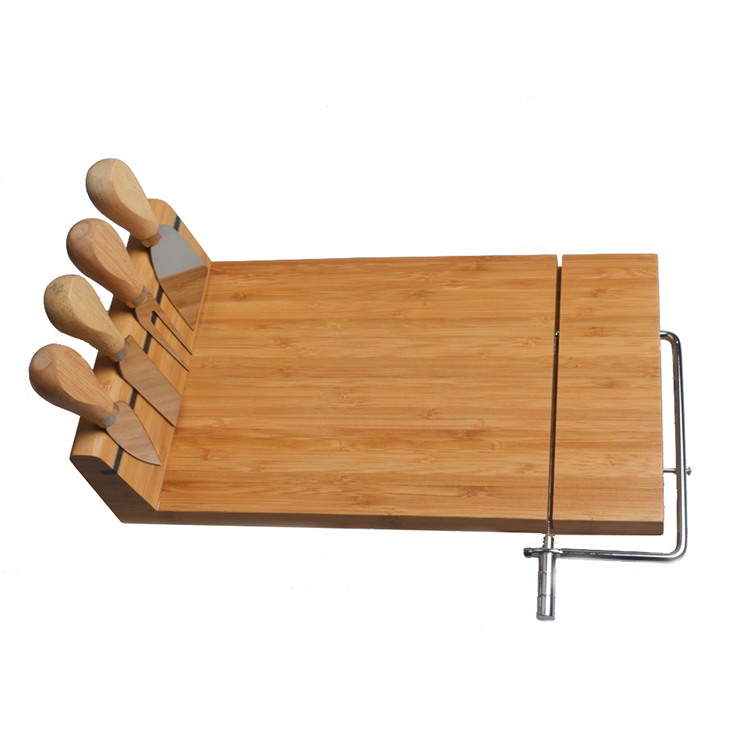
A true cheese connoisseur knows that slicing matters as much as selection. Different cheeses require distinct blades to maintain proper texture.
- Soft Cheese Knife: Perforated blade prevents gooey cheeses from sticking.
- Hard Cheese Knife: Thick, sturdy edge for aged blocks.
- Cheese Fork: Ideal for lifting and serving without disturbing the structure.
Start with large cheese wedges as anchors, then weave fruits, nuts, and crackers around them. Think about color rhythm: pale Brie next to dark grapes and golden honey for visual balance.
Guide the eye through curves, diagonals, or segments. Circular arrangements create central focus, while asymmetry feels organic and artistic.
Leave slight gaps between items; overcrowding looks chaotic and makes it hard to serve. Group soft cheeses together and hard cheeses closer to edges for easier slicing.
Light, floral cheeses like chèvre pair with edible blossoms, strawberries, and honey drizzle.
Bright flavors dominate—combine feta, mozzarella, and colorful produce like cherries and melons.
Earthy tones and warmth take over: pair aged cheddar, smoked Gouda, and roasted nuts with figs, apples, or cranberry jam.
Richer cheeses, such as blue or triple cream, pair perfectly with dark chocolates, dried fruits, and spiced wines.
Choose your board's personality—rustic farmhouse charm, modern elegance, or festive celebration. Use props, such as herbs, small bowls, or candles, to set the tone.
Combine smooth cheese wedges with rough elements like toasted nuts or crusty bread. Layer creamy dips in ceramic bowls against rough slate.
Use fresh rosemary sprigs, edible flowers, or citrus slices to accent the board without clutter. Let the natural shapes of cheese and fruit take center stage.
- White Wines: Pair well with soft or creamy cheeses like Brie or goat cheese.
- Red Wines: Complement aged or sharp cheeses; Cabernet enhances cheddar's richness.
- Sparkling Wines: Offer light bubbles that cut through heavy, creamy textures.
Sparkling water with citrus slices, iced tea, or fruit juices cleanse the palate and balance richness.
After each use, wipe the board with warm water and mild soap, then dry immediately. For wood and bamboo boards, occasionally apply food-grade mineral oil to prevent drying and cracking.
Store in cool, dry spaces away from direct sunlight. Keep wooden boards upright to promote airflow and prevent moisture buildup.
Remove cheese from refrigeration 30 minutes before serving. Room temperature enhances flavor complexity and aroma.
Share the background of each cheese—where it came from, how it's made. Adding these stories immerses guests and transforms casual snacking into an experience.
In recent years, creative variations like vegan cheese boards, dessert cheese displays, and breakfast-style boards have expanded the art form's boundaries. The principles remain: balance, texture, and harmony.
- Overcrowding with too many elements.
- Forgetting crackers or spreading knives for each cheese.
- Serving cheese straight from the refrigerator.
- Skipping textures or color contrasts.
- Ignoring dietary restrictions for guests.
1. How many types of cheese should I include?
Four to six varieties usually provide enough balance between texture and flavor diversity without overwhelming guests.
2. What's the best board size for a small gathering?
A medium board (about 14–16 inches wide) comfortably serves four to six guests; larger boards suit parties.
3. Can I prepare a cheese board ahead of time?
Yes. Arrange ingredients an hour before serving, cover with plastic wrap, and refrigerate. Remove before guests arrive to allow softening.
4. How do I keep cheeses fresh between uses?
Wrap leftovers individually in wax or parchment paper, then store in airtight containers inside the fridge.
5. Can I make a dairy-free cheese board?
Absolutely. Use nut-based cheeses, roasted vegetables, flavored hummus, and fruit spreads to create balance without dairy.


