

Views: 290 Author: Site Editor Publish Time: 2025-11-03 Origin: Site


Content Menu
>> Common Components of a Cheese Board
● Understanding Charcuterie Boards
>> What is a Charcuterie Board?
>> Common Components of a Charcuterie Board
● Key Differences Between Cheese Boards and Charcuterie Boards
● How to Create a Cheese Board
● How to Create a Charcuterie Board
● Pairing Cheese and Charcuterie Boards
A cheese board is primarily focused on a variety of cheeses. It typically includes a selection of different types of cheese, which can range from soft and creamy to hard and aged. The goal of a cheese board is to showcase the flavors and textures of the cheeses, often accompanied by a few complementary items.
- Cheeses: A variety of cheeses, such as Brie, Cheddar, Gouda, and blue cheese.
- Accompaniments: Items like crackers, bread, fruits (such as grapes and apples), nuts, and spreads (like honey or fig jam) that enhance the cheese experience.
- Presentation: Cheese boards are often arranged artistically to create an inviting display, making them visually appealing.
A charcuterie board, on the other hand, centers around cured meats. The term "charcuterie" originates from French cuisine and refers specifically to the art of preparing and assembling cured meats. While cheese can be included, the primary focus is on the meats.
- Cured Meats: A selection of meats such as prosciutto, salami, chorizo, and pâté.
- Cheeses: While not the main focus, cheeses are often included to complement the meats.
- Accompaniments: Similar to cheese boards, charcuterie boards may include crackers, fruits, olives, pickles, and spreads that enhance the overall flavor profile.
The most significant difference between cheese boards and charcuterie boards is the focus on ingredients. Cheese boards highlight a variety of cheeses, while charcuterie boards emphasize cured meats. This distinction influences the overall flavor profile and presentation of each board.
- Cheese Boards: The flavors can range from mild to strong, depending on the types of cheese selected. Pairing cheeses with sweet or savory accompaniments can create a balanced tasting experience.
- Charcuterie Boards: The flavors are often more robust and savory, with the saltiness of cured meats complemented by the creaminess of cheeses and the acidity of pickles or fruits.
Both boards can be presented beautifully, but the arrangement may differ based on the focus of the board. Cheese boards often feature cheeses as the centerpiece, while charcuterie boards may have meats arranged in a way that highlights their variety and texture.
When creating a cheese board, consider including a variety of textures and flavors. Here are some types of cheeses to include:
- Soft Cheeses: Brie, Camembert, or goat cheese.
- Semi-Hard Cheeses: Cheddar, Gouda, or Havarti.
- Hard Cheeses: Parmesan or aged Gouda.
- Blue Cheeses: Gorgonzola or Roquefort.
To enhance the cheese experience, add a selection of accompaniments:
- Crackers and Bread: Offer a variety of textures, such as crunchy crackers and soft baguette slices.
- Fruits: Fresh fruits like grapes, figs, or apple slices add sweetness and contrast.
- Nuts: Almonds, walnuts, or pecans provide crunch and richness.
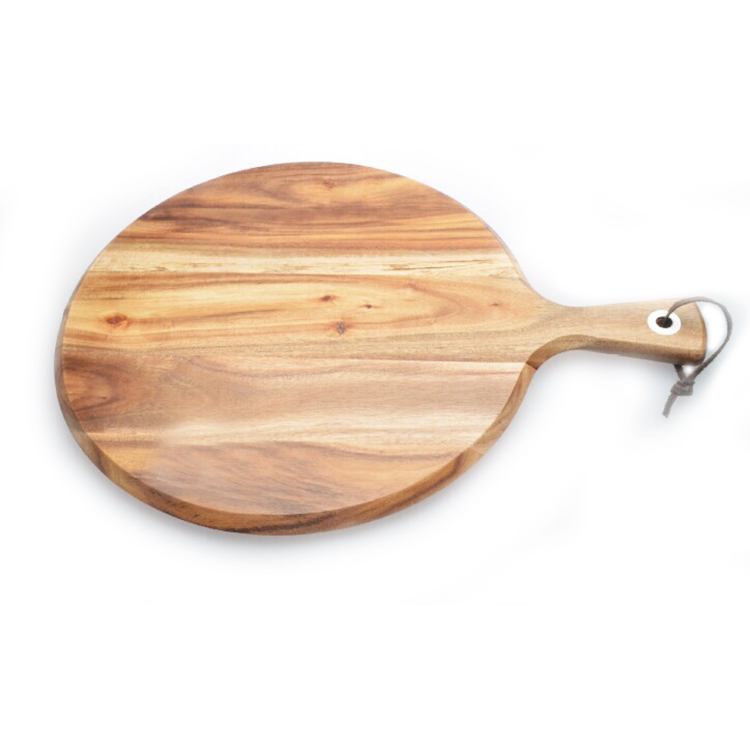
- Use a Large Board: Choose a wooden or slate board to create an inviting display.
- Arrange Artfully: Place cheeses in different sections, and fill in gaps with accompaniments for a visually appealing layout.
- Label the Cheeses: Consider labeling each cheese to inform guests about their options.
For a charcuterie board, choose a variety of cured meats:
- Prosciutto: Thinly sliced and delicate.
- Salami: Offers a robust flavor.
- Chorizo: Adds a spicy kick.
Enhance the charcuterie experience with complementary items:
- Cheeses: Include a few cheeses that pair well with the meats.
- Pickles and Olives: Provide acidity and brininess.
- Fruits: Dried fruits like apricots or fresh fruits like grapes add sweetness.
- Layering: Arrange meats in layers or folds to create visual interest.
- Use Small Bowls: Incorporate small bowls for dips or spreads to add height and variety.
- Garnish: Fresh herbs or edible flowers can add a pop of color.
While cheese boards and charcuterie boards have distinct focuses, they can be combined for a more diverse offering. A board that includes both cheeses and cured meats can cater to a wider range of tastes and preferences.
- Cheese with Meats: Pair soft cheeses with prosciutto for a delightful contrast.
- Fruits with Meats: Dried fruits can complement the saltiness of cured meats.
- Nuts with Cheese: Nuts can enhance the creaminess of cheeses and add texture.
Understanding the differences between cheese boards and charcuterie boards allows you to create the perfect spread for any occasion. Whether you choose to focus on cheeses, cured meats, or a combination of both, the key is to select high-quality ingredients and present them beautifully. With a little creativity and attention to detail, you can impress your guests and elevate your entertaining game.
1. What is the main difference between a cheese board and a charcuterie board?
- A cheese board focuses on a variety of cheeses, while a charcuterie board centers around cured meats.
2. Can I include both cheese and meats on the same board?
- Yes, combining both elements can create a diverse and appealing spread.
3. What types of cheeses are best for a cheese board?
- A mix of soft, semi-hard, hard, and blue cheeses is recommended for variety.
4. What meats should I include on a charcuterie board?
- Consider including prosciutto, salami, and chorizo for a range of flavors.
5. How can I make my boards visually appealing?
- Use a large board, arrange items artfully, and consider labeling the cheeses and meats.


