

Views: 290 Author: Site Editor Publish Time: 2026-02-06 Origin: Site


Content Menu
● H2: Understanding the Grain of the Meat
>> H3: How to Identify the Grain
● H2: Tools You Need for Cutting Steak
>> H3: Choosing the Right Knife
>> H3: Importance of a Sharp Knife
● H2: Best Techniques for Cutting Steak
>> H3: Cutting Against the Grain
● H2: Common Mistakes to Avoid
>> H3: Not Using the Right Knife
● H2: Frequently Asked Questions
>> H3: 1. Can I use a regular kitchen knife to cut steak?
>> H3: 2. How do I know if my knife is sharp enough?
>> H3: 3. What is the best way to store steak knives?
>> H3: 4. Should I cut steak before or after resting?
>> H3: 5. How can I improve my cutting technique?
Cutting steak properly is an essential skill for any meat lover. The way you slice your steak can significantly affect its tenderness and overall enjoyment. In this article, we will explore the best techniques for cutting steak, the tools you need, and tips to ensure you get the most out of your meat.
The grain of the meat refers to the direction in which the muscle fibers run. Understanding the grain is crucial because cutting against the grain will yield more tender slices, while cutting with the grain can result in tougher, chewier pieces.
To identify the grain, look closely at the surface of the steak. You will see lines or striations running in one direction. This is the grain, and it's important to cut perpendicular to these lines for the best results.
The type of knife you use can make a significant difference in how well you can cut your steak. Here are some options:
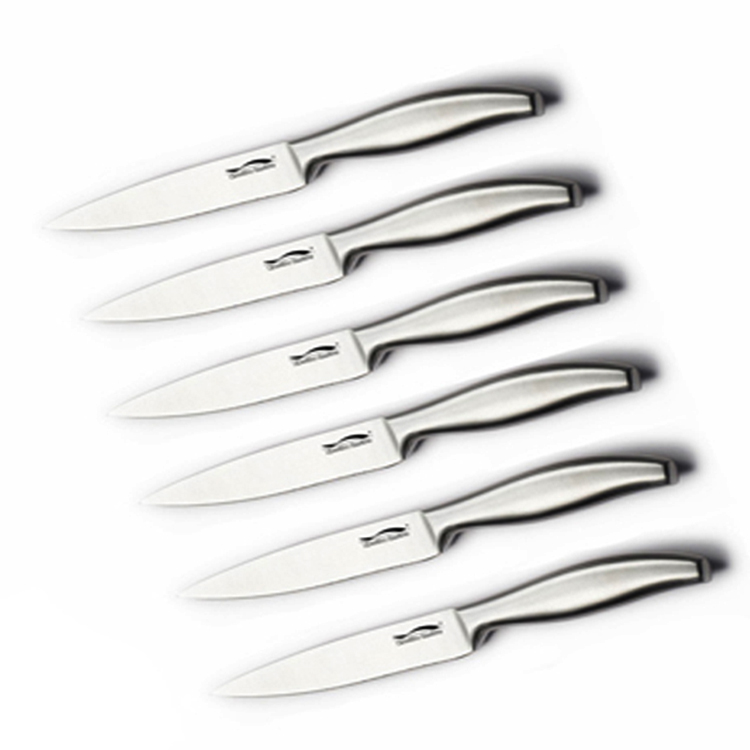
- Steak Knife: Designed specifically for cutting meat, steak knives often have serrated edges that grip the meat, making slicing easier.
- Chef's Knife: A versatile tool that can also be used for cutting steak, especially if it has a sharp, straight edge.
- Carving Knife: Ideal for larger cuts of meat, a carving knife allows for long, smooth slices.
A sharp knife is essential for cutting steak effectively. Dull knives require more force, which can lead to tearing the meat rather than slicing it cleanly. Regularly sharpen your knives to maintain their effectiveness.
After cooking, allow your steak to rest for about 5 to 10 minutes. This resting period lets the juices redistribute throughout the meat, making it more flavorful and easier to cut.
Once your steak has rested, it's time to cut. Remember to slice against the grain. This means positioning your knife perpendicular to the direction of the muscle fibers. This technique shortens the fibers, resulting in a more tender bite.
When slicing, use a smooth, even motion. Avoid sawing back and forth, as this can tear the meat. Instead, let the knife do the work by applying gentle pressure and allowing the sharp blade to glide through the steak.
One of the most common mistakes is cutting into the steak too soon after cooking. This can cause the juices to run out, leading to a dry piece of meat. Always let your steak rest before slicing.
Using the wrong knife can make cutting difficult and result in uneven slices. Always choose a knife that is appropriate for the type of steak you are cutting.
Failing to identify and cut against the grain can lead to tough, chewy pieces of steak. Always take a moment to observe the grain before making your cuts.
Cutting steak properly is an art that enhances the dining experience. By understanding the grain, using the right tools, and employing the best techniques, you can ensure that every slice of steak is tender and delicious. Remember to let your steak rest, cut against the grain, and use a sharp knife for the best results.
Yes, a regular kitchen knife can be used, but a steak knife is designed specifically for this purpose and will provide better results.
A sharp knife should glide through the meat with minimal effort. If you find yourself applying excessive force, it's time to sharpen your knife.
Store steak knives in a knife block or on a magnetic strip to keep them safe and easily accessible.
Always let your steak rest before cutting to allow the juices to redistribute, ensuring a more flavorful and tender piece of meat.
Practice makes perfect. Take your time to observe the grain and use smooth, even motions when cutting to improve your technique.


