

Views: 280 Author: Site Editor Publish Time: 2026-04-06 Origin: Site


Content Menu
● Understanding Cheese Board Sizes
>> Practical vs. Decorative Boards
● Standard Cheese Board Dimensions
>> Small Boards
>> Large Boards
>> Everyday Use
>> Professional Tasting or Pairing Events
>> Round Boards
● Factors to Consider When Choosing Size
>> Table Space
>> Cheese Variety and Quantity
● Optimal Size Recommendations
>> Ideal Dimensions for Different Settings
>> Knife Space and Accessories
● Storage and Cleaning Exceptions by Size
>> Small Boards
>> Large Boards
● Style Considerations with Board Size
>> Minimalist vs. Extravagant Displays
>> Color Coordination and Decor
● Creative Customization Options
>> Engraved or Personalized Boards
● Common Mistakes When Picking Size
>> Overcrowding
>> Oversizing
● Sustainable and Practical Buying
● Real-Life Examples and Inspirations
>> Professional Catering Boards
Cheese cutting boards may look simple, but size can make or break their function. Too small, and you'll struggle to present multiple cheeses. Too large, and it becomes cluttered or hard to store. Knowing the right dimensions helps balance practicality, beauty, and serving convenience for any occasion.
The size of your cheese board determines both functionality and aesthetics. An ideal board should allow space for cheese slicing, enough separation for flavors, and room for accompaniments like fruits, nuts, and crackers.
- Practical boards focus on function, used regularly for cutting and serving.
- Decorative boards tend to be larger or uniquely shaped, aimed to impress at parties or events.
Small boards generally measure around 8 to 10 inches. They're great for personal servings or intimate setups.
Perfect uses:
- Solo snacking or two-person servings.
- Quick appetizer plates.
- Easy portability for picnics or small kitchens.
Medium boards, about 12 to 16 inches, are the most versatile. They're ideal for families or gatherings of 4–6 guests, offering ample space without overwhelming the table.
Large cheese boards range from 18 inches upward. They're suited for bigger crowds, extravagant displays, or multiple cheese types.
Perfect uses:
- Holidays and celebrations.
- Charcuterie style spreads.
- Weddings or catering events.
If you often enjoy cheese casually, medium boards strike the balance between size and ease. They fit comfortably in most kitchen spaces.
For parties, go large! Size enhances visual impact and gives guests freedom to sample comfortably.
Cheese experts prefer smaller boards per participant, usually rectangular and clean-cut for controlled sampling.
Rectangular boards allow easy slicing alignment and symmetry — efficient for cheese knives.
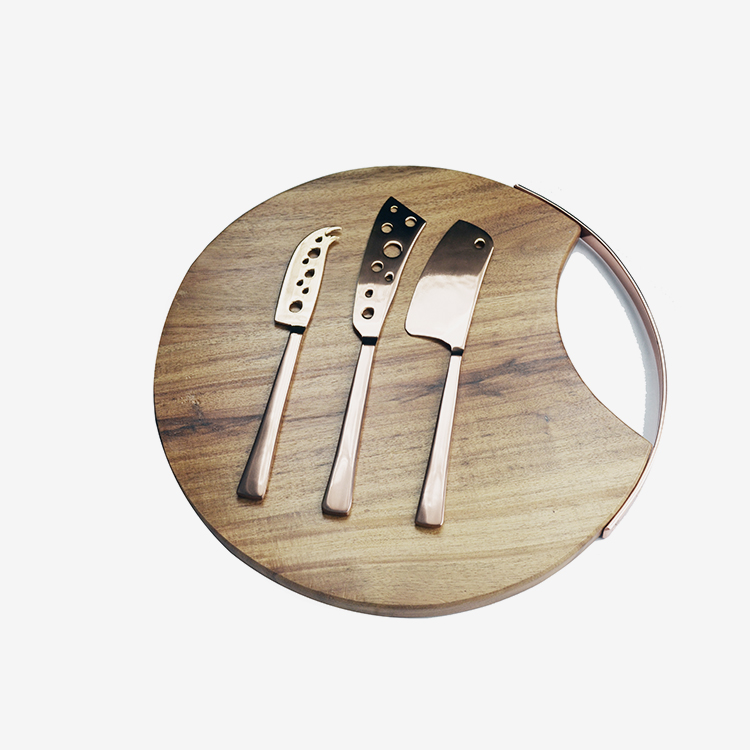
Round boards feel more casual and aesthetic; ideal for family dinners or wine nights.
Perfect for serving and portability, paddle boards usually come in medium sizes with handles.
Wood adds warmth and natural aesthetics. Its thickness complements medium and large boards, giving stability.
Smaller marble boards maintain temperature well for soft cheeses. They often measure around 10–12 inches.
Lightweight and eco-friendly bamboo works best in mid-size ranges. Larger bamboo boards may feel too thin unless reinforced.
Ensure your board fits comfortably on your dining or coffee table. The cheese setup should not dominate or overcrowd the scene.
The more cheese varieties you serve, the greater the need for surface area. Dense boards might cause flavors to mix undesirably.
Big boards look eye-catching but can be heavy. Consider whether you'll need to move it frequently or store it efficiently.
Personal Use: 10–12 inches round or rectangle.
Small Gatherings: 14–16 inches rectangular.
Large Events: 18–20 inches oval or paddle with grip.
These ranges achieve harmony between form and functionality.
Allow enough perimeter space for cheese knives, forks, or decorative handles. Compact boards can be designed with side grooves or built-in compartments.
Size affects the layout of extras like grapes, nuts, and prosciutto. Medium boards often balance accessories better than small ones.
Easy to store in drawers, simple to rinse manually.
Require rack storage or vertical placements; manageable for frequent use.
Should be cleaned and air-dried immediately; avoid stacking due to moisture.
Small and medium boards suit minimalist presentation; large boards let you play with layers of fruit, cheese, and meats.
Large boards often complement rustic setups; smaller ones pair better with modern dining places.
Medium-sized personalized boards make thoughtful gifts — large boards can include engraved names or decorative edges.
Tiered boards (two layers or adjustable stands) create impactful visual appeal without requiring too much table space.
Choosing a board too small can lead to messy presentations and mixed flavors.
Huge boards may look grand but make cutting and cleaning difficult.
Opt for renewable materials and handcrafted options within reasonable sizes. Avoid disposable or ultra-thin variants — they crack easily.
A cheese board's true magic lies in how it fits your lifestyle. Focus on usability first, beauty second.
Home entertainers prefer mid-sized boards for daily events — easy to decorate and clean afterward.
Large custom boards dominate catering setups and high-end restaurants where variety steals attention.
The best size for a cheese cutting board depends on your space, audience, and style. Whether small for solo evenings or large for celebrations, your board should feel balanced and manageable, offering both presentation charm and slicing comfort.
1. What size is ideal for everyday cheese serving?
Medium boards around 14–16 inches offer flexibility for daily use and entertaining.
2. Should I buy multiple board sizes?
Yes, owning different sizes allows you to adapt to small snacks or larger parties easily.
3. What's the best shape for cutting cheese efficiently?
Rectangular boards give the most functional cutting surface and are easy to clean.
4. How do I store oversized boards safely?
Stand them vertically or hang by the handle with ample ventilation to avoid moisture buildup.
5. What material suits large boards best?
Hardwoods like walnut or maple provide durability and stability for heavier usage.


