

Views: 290 Author: Site Editor Publish Time: 2025-12-13 Origin: Site


Content Menu
● Understanding the Carving Fork
>> Material
>> Tine Design
● How to Use a Carving Fork Effectively
When it comes to preparing and serving meats, a carving fork is an essential tool in any kitchen. However, not all carving forks are created equal. This article will guide you through the key factors to consider when purchasing a carving fork, ensuring you choose the best one for your needs. We will explore the materials, design features, ergonomics, and maintenance tips, along with images and videos to enhance your understanding.
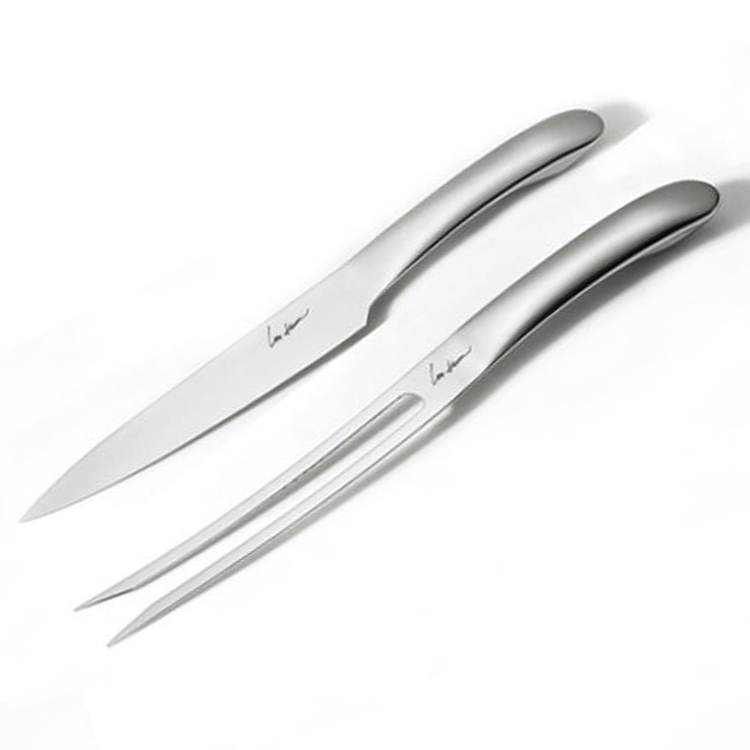
A carving fork is designed to hold meat steady while it is being sliced. It typically features two long, sharp tines that can easily penetrate large cuts of meat, providing stability and control during the carving process. The carving fork is an essential companion to the carving knife, ensuring that the meat remains steady and secure while you slice.
The material of the carving fork is crucial for its durability and performance. Here are some common materials used:
- Stainless Steel: This is the most popular choice due to its resistance to rust and corrosion. High-quality stainless steel forks maintain sharpness and are easy to clean.
- High-Carbon Steel: This material is known for its sharpness and edge retention. However, it requires more maintenance to prevent rust.
- Plastic Handles: While lightweight and easy to grip, plastic handles may not provide the same level of durability as metal handles.
The design of the tines can significantly affect the performance of the carving fork:
- Length: Longer tines are better for larger cuts of meat, as they can penetrate deeper and provide better stability.
- Shape: Tines that are slightly curved can help hold the meat in place more effectively, while straight tines are ideal for piercing and lifting.
A comfortable handle is essential for effective carving, especially during extended use. Consider the following:
- Ergonomic Design: Look for a handle that fits comfortably in your hand and provides a secure grip. Ergonomic designs can reduce hand fatigue and improve control.
- Material: Handles made from wood, rubber, or high-quality plastic can offer a good grip. Wooden handles provide a classic look, while rubberized handles can enhance comfort.
The weight and balance of the carving fork can affect its usability:
- Weight: A well-balanced carving fork should feel comfortable in your hand without being too heavy. A lightweight fork can be easier to maneuver, while a heavier fork may provide more stability.
- Balance: The fork should feel balanced when held, allowing for easy control while carving.
To ensure your carving fork lasts for years, follow these maintenance tips:
- Hand Wash: Always wash your carving fork by hand with mild soap and warm water. Avoid using a dishwasher, as the heat and detergent can damage the fork.
- Dry Immediately: After washing, dry the fork immediately to prevent rust.
- Sharpen Regularly: Keep the tines sharp for optimal performance. Use a honing steel or sharpening stone as needed.
Using a carving fork is straightforward, but there are some tips to ensure you get the best results:
1. Stabilize the Meat: Insert the tines of the carving fork into the meat to hold it steady while you carve.
2. Angle Your Knife: Use a sharp carving knife at a slight angle to slice through the meat.
3. Transfer with Care: Once you have carved a slice, use the fork to lift and transfer it to a serving platter.
Choosing the right carving fork can make a significant difference in your cooking and serving experience. By considering the material, tine design, handle comfort, and maintenance, you can select a carving fork that meets your needs and enhances your culinary skills. Whether you are preparing a holiday feast or a simple family dinner, a quality carving fork is an essential tool for any kitchen.
1. What is the primary purpose of a carving fork?
- The primary purpose of a carving fork is to hold meat steady while slicing and to assist in transferring slices to a platter.
2. Can I use a carving fork for vegetables?
- While carving forks are designed for meat, they can also be used for stabilizing larger vegetables during cutting.
3. How do I clean my carving fork?
- It is best to wash carving forks by hand and dry them immediately to prevent rust.
4. What should I look for when buying a carving fork?
- Look for a durable material, comfortable handle, and appropriate size for the types of meat you will be carving.
5. Are electric carving forks worth it?
- Electric carving forks can save time and effort, especially when carving large quantities of meat, making them a worthwhile investment for frequent entertainers.


