

Views: 290 Author: Site Editor Publish Time: 2025-11-14 Origin: Site


Content Menu
● The Importance of a Quality Knife Set
>> Enhancing Cooking Efficiency
● Key Features of a Quality Knife Set
● Types of Knives to Include in Your Set
>> Chef's Knife
>> Paring Knife
>> Boning Knife
>> Safe Storage
>> 1. What is the best material for knife blades?
>> 2. How often should I sharpen my knives?
>> 3. Can I put my knives in the dishwasher?
>> 4. What is the most important knife to have?
>> 5. How do I store my knife set safely?
A quality knife set can significantly improve your efficiency in the kitchen. Sharp, well-designed knives make tasks like chopping, slicing, and dicing much faster and easier. When you have the right tools, you can prepare meals more quickly, allowing you to enjoy cooking rather than feeling overwhelmed by it.
Using dull or poorly made knives can lead to accidents and injuries. Dull knives require more force to cut through food, increasing the risk of slipping and cutting yourself. In contrast, sharp, high-quality knives allow for more control and precision, reducing the likelihood of mishaps. Investing in a quality knife set enhances your safety in the kitchen.
Quality knives are made from superior materials that ensure longevity. While cheaper knives may seem appealing, they often need to be replaced frequently due to wear and tear. A good knife set, on the other hand, can last for years, making it a worthwhile investment. High-quality knives maintain their sharpness longer and require less frequent sharpening.
The material of the knife blades is crucial. High-carbon stainless steel is often recommended for its durability and ability to hold a sharp edge. This type of steel is resistant to rust and corrosion, making it ideal for kitchen use.
Comfort is key when it comes to knife handles. Look for knives with ergonomic designs that fit well in your hand. A comfortable grip reduces hand fatigue during long cooking sessions and allows for better control while cutting.
A well-balanced knife feels good in your hand and allows for better control. The weight of the knife should also be comfortable for you. Some cooks prefer heavier knives for their cutting power, while others prefer lighter knives for ease of use.
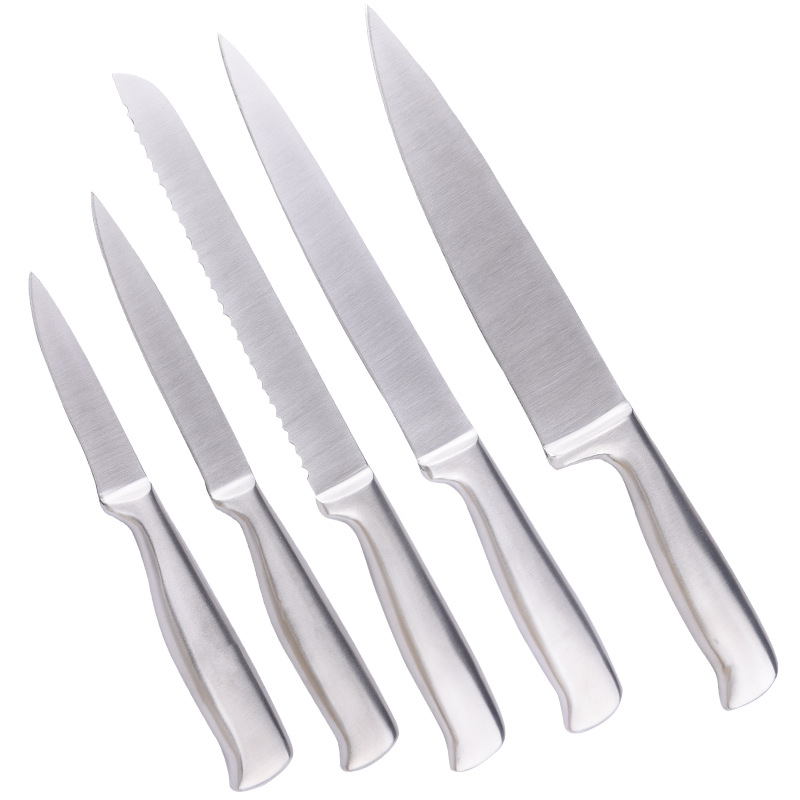
The chef's knife is the most versatile knife in the kitchen. It can be used for chopping, slicing, and dicing a variety of ingredients. A good chef's knife typically has a blade length of 8 to 10 inches.
A paring knife is smaller and ideal for intricate tasks like peeling fruits and vegetables or deveining shrimp. Its blade is usually around 3 to 4 inches long.
A serrated knife is perfect for cutting bread and other soft items without crushing them. The saw-like edge allows for a clean cut through crusty loaves and delicate pastries.
This knife is a bit larger than a paring knife and is useful for a variety of tasks, including slicing cheese and meats. It typically has a blade length of about 4 to 6 inches.
A boning knife is designed for deboning meat and fish, allowing for precise cuts. Its flexible blade makes it easier to maneuver around bones and joints.
While investing in a quality knife set may require a higher initial expenditure, it can save you money in the long run. High-quality knives are more durable and perform better, reducing the need for frequent replacements. Additionally, they require less sharpening, which can save you time and money on maintenance.
A good knife set is an investment that will serve you well for years to come. By carefully considering the quality and features of the knives you purchase, you can find a set that balances performance, price, and longevity. This ensures you have the best tools for your kitchen without breaking the bank.
To maintain the quality of your knife set, proper care is essential. Most high-quality knives should be hand washed to preserve their sharpness and integrity. Avoid putting them in the dishwasher, as the heat and moisture can damage the blades and handles.
Regular sharpening is crucial for maintaining a good edge. Invest in a quality sharpening tool or consider professional sharpening services. Keeping your knives sharp not only improves performance but also enhances safety in the kitchen.
Proper storage is important to protect the blades. Use a knife block, magnetic strip, or sheaths to keep your knives safe and organized. This prevents accidental cuts and keeps the blades from dulling.
High-carbon stainless steel is often considered the best material due to its durability and ability to hold a sharp edge.
It depends on usage, but generally, you should sharpen your knives every few months or when they start to feel dull.
Most high-quality knives should be hand washed to maintain their sharpness and prevent damage.
A chef's knife is the most versatile and essential knife for any kitchen.
Use a knife block, magnetic strip, or sheaths to protect the blades and keep them organized.
Investing in a quality knife set is essential for anyone who enjoys cooking. A good knife set enhances your culinary skills, improves efficiency, and ensures safety in the kitchen. By understanding the importance of quality knives, the features to look for, and how to care for them, you can make an informed decision that suits your culinary needs.


