

Views: 280 Author: Site Editor Publish Time: 2026-05-27 Origin: Site


Content Menu
● Understanding Your Tools: The Anatomy and Types
>> Essential Knife Types for Every Kitchen
● How to Choose the Right Knife
>> Storage
>> Essential Habits for Longevity
A sharp knife is the single most important item in your culinary arsenal. Whether you are a professional chef or a home cook looking to elevate your skills, understanding how to select, use, and maintain your kitchen knives is essential for efficiency, safety, and joy in the kitchen. This comprehensive guide will take you through everything you need to know to become a master of your cutlery.
Before you purchase a knife, it is important to understand what makes a good blade. A knife is more than just a sharp piece of metal; it is a precision instrument designed for specific culinary tasks.
Understanding the parts—the tip, the edge, the spine, the heel, and the handle—helps you grasp how a knife functions. The balance between the blade and the handle is critical for comfort during repetitive cutting tasks. Ergonomics and material quality are paramount, as they determine how a knife feels in your hand and how it holds up over time.
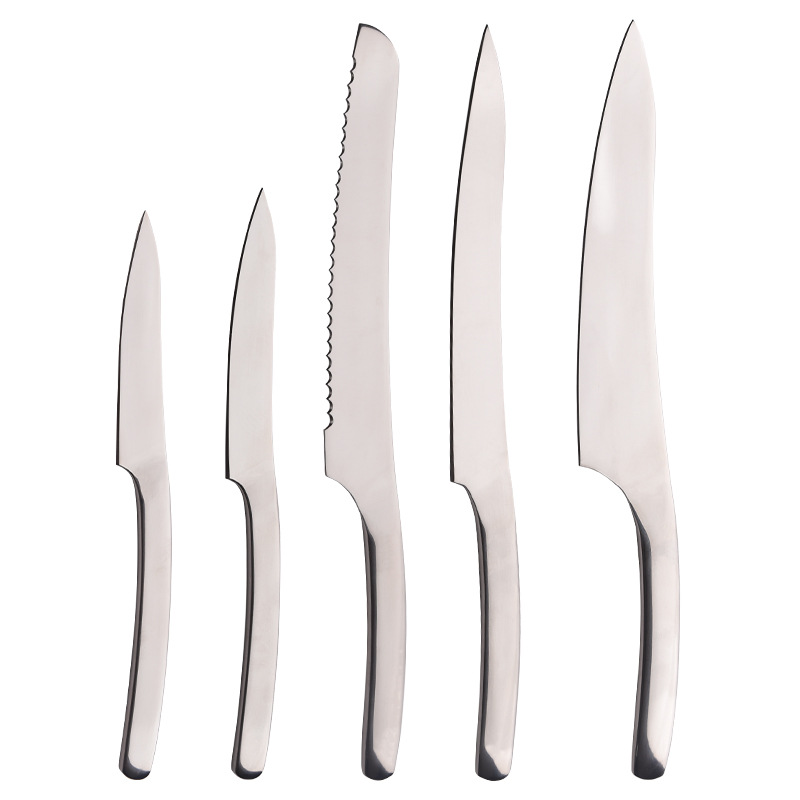
Building a collection doesn't require dozens of knives. Start with the basics:
- Chef's Knife: The workhorse of the kitchen. With its curved blade, it is ideal for mincing, chopping, and slicing a vast array of ingredients.
- Paring Knife: Perfect for delicate tasks like peeling, trimming, and small-scale cutting.
- Utility Knife: A versatile mid-sized blade that handles tasks too big for a paring knife but too small for a chef's knife.
- Bread Knife: Features a serrated edge designed specifically for sawing through crusty loaves without crushing the soft interior.
When you are ready to invest, don't get hung up on just the sharpness—any knife is sharp when new. Focus instead on the construction and balance. The best way to get a feel for a knife is to use it or, at the very least, hold the handle in a store to ensure it fits your grip comfortably.
Whether you choose stainless steel, high-carbon steel, or ceramic blades depends on your maintenance habits. High-carbon steel blades hold an edge longer but require more care to prevent rust, whereas stainless steel offers easier maintenance at the cost of frequent honing.
A dull knife is a dangerous knife. Because it requires more force to do the job, it is prone to slipping, which is a common cause of kitchen accidents. Keeping your knives sharp ensures they cut through food with precision and minimal effort.
Never keep your kitchen knives loose in a cabinet drawer mixed with other utensils. Store them in a dedicated wood block, use a magnetic knife strip, or utilize storage sheaths to protect the edge and ensure safety.
Honing with a steel rod realigns the microscopic teeth on your blade's edge, keeping it performing optimally between major sharpenings. When the knife loses its ability to slice through a sheet of paper easily, it is time for a proper sharpening session using a whetstone.
- Wash and Dry Immediately: Always wash your knives by hand and dry them immediately after use.
- Use the Right Surface: Use wooden, plastic, or synthetic rubber cutting boards. Avoid glass or stone, which will dull your blade instantly.
- Avoid Misuse: Never use your knife's tip or edge as a bottle opener, screwdriver, or for any task other than food preparation.
- Use a Bench Scraper: Instead of using your knife's edge to move chopped food from the cutting board to the pan, use a bench scraper. This simple habit saves the edge of your primary blade significantly.
Investing time into understanding and caring for your knives pays off in every meal you prepare. A well-maintained set of knives is not just a collection of tools; it is a commitment to better, safer, and more enjoyable cooking.
1. How often should I hone my kitchen knife?
Honing should ideally be done before every use or at least once every few times you prepare a meal to keep the edge aligned.
2. Can I put my knives in the dishwasher?
No. Dishwashers can damage the handle material and cause the sharp blade to dull or chip when hitting other dishes.
3. What is the difference between sharpening and honing?
Honing realigns the edge of the blade, while sharpening removes a small amount of metal to create a new, sharp edge.
4. Is it better to have a knife set or buy them individually?
Buying individually often allows you to invest in higher quality pieces that you will actually use, whereas sets often include knives you may rarely touch.
5. Why does my high-carbon steel knife develop spots?
High-carbon steel is susceptible to oxidation. Keep it clean and dry, and consider applying a thin layer of food-grade mineral oil after use.


